
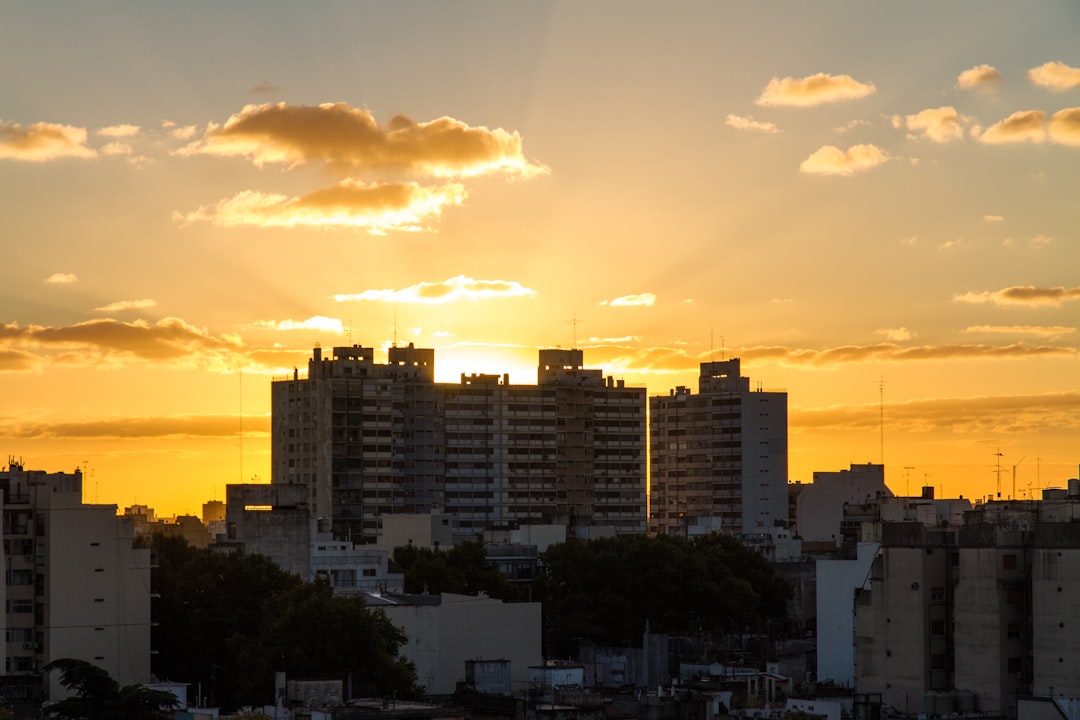

The scent of stale coffee and a faint, sweet exhaust fume hung heavy in the morning air, a familiar Buenos Aires cocktail that hit me the moment I stepped out of the taxi, followed by the distant, melancholic wail of a bandoneón, a sound that always seems to be just around the corner here. This city, it doesn’t just whisper its secrets; it shoves them in your face, a dramatic, passionate affair between old-world European grandeur and an undeniable Latin fire that simmers just beneath the surface, occasionally boiling over into a street protest or a spontaneous tango. They call it the ‘Paris of the South,’ a moniker that, while a touch lazy, actually captures a significant chunk of its soul, especially when you’re talking about architecture and a certain defiant elegance.
But Buenos Aires isn’t just about pretty façades and romantic notions, it’s a place where the steak is so good it’ll make you question every other piece of meat you’ve ever eaten, where the tango isn’t just a dance but a guttural expression of longing and life, something you feel in your bones long before you understand the steps. It’s a city of contradictions, of faded glory and insistent modernity, of economic chaos and unwavering pride, all wrapped up in a package that demands your attention, your patience, and your appetite for something a little bit rough around the edges, a little bit raw. Forget what you think you know about South American capitals; this one marches to its own, intensely dramatic, beat.
You arrive expecting one thing, perhaps the polished grandeur of a European capital, and you get that, sure, but then you also get the grit, the noise, the sheer, overwhelming humanity of a place that’s been through a lot and still stands, defiant and beautiful. It’s a city that wears its history like a well-worn leather jacket—stylish, a bit scuffed, and full of stories. The allure of its grand boulevards and the promise of a perfect bife de chorizo are just the entry points; the real magic happens when you let yourself get lost in its labyrinthine streets, when you discover the unexpected dance in a local square, or the art splashed across a forgotten wall.
This isn’t a place for the faint of heart or those who prefer everything neatly packaged and predictable. Buenos Aires demands you engage with it, wrestle with it, and ultimately, fall a little bit in love with its glorious, messy, unforgettable self. It’s a city that will challenge your assumptions, broaden your palate, and quite possibly, teach you a thing or two about living with passion, even when things are falling apart. So, lace up your walking shoes, prepare your stomach for some serious meat consumption, and get ready to be swept away by the intoxicating rhythm of this magnificent, complicated beast of a city.
The Hero Spot – Grand Avenues & Parisian Charm
Stepping onto Avenida 9 de Julio, the widest avenue in the world, is less an experience and more a statement. It’s a concrete beast, a multi-lane monster that slices through the city with the Obelisco, a stark white needle, standing proudly in its center, an undeniable landmark that screams “Buenos Aires.” This isn’t just a road; it’s a declaration of intent, a grand, if slightly absurd, testament to the city’s ambition to rival the great European capitals. You stand there, cars whizzing past in what feels like a dozen directions, and you can’t help but feel a little insignificant, a tiny speck in this vast, human-made canyon.
Walk a few blocks east, and the scale shifts, but the grandeur remains, perhaps even intensifies, along Avenida de Mayo. Here, the Haussmann-esque architecture truly shines, those classic Parisian boulevards replicated with an Argentine twist, sometimes a little more ornate, often a little more faded. The Palacio Barolo, with its Dante-inspired architecture, stands out like a gothic dream, its intricate details telling stories in stone, a stark contrast to the more straightforward neoclassical buildings surrounding it. You’ll find yourself craning your neck, admiring the ironwork balconies, the ornate cornices, the sheer audacity of these structures that seem to have been plucked directly from the Seine’s banks and dropped onto the Río de la Plata.
The Recoleta neighborhood, especially around the cemetery, takes this European fantasy to another level. It’s less about grand avenues and more about stately mansions, each one a mini-palace, often built by wealthy families who spent their fortunes mirroring the architectural trends of Paris and Madrid. The sheer opulence is almost comical, a display of wealth from a bygone era, with intricate carvings, soaring ceilings, and manicured gardens that whisper tales of lavish parties and old money. Even if you’re not into architecture, the sheer scale of these homes, many now embassies or museums, is enough to make you pause and marvel at the ambition, the sheer will to create something so magnificent, so far from its original inspiration.
This architectural homage isn’t just skin deep; it defines the city’s entire visual appeal, lending it an air of sophisticated melancholy that’s hard to shake. It’s in the faded grandeur of the Teatro Colón, a world-class opera house that could easily stand shoulder-to-shoulder with La Scala or the Opéra Garnier, its interiors a riot of velvet, gold, and marble. It’s in the countless cafés with their dark wood, brass fixtures, and waiters who’ve seen more history than you’ve read in books, places that feel like a direct portal to early 20th-century Europe. Buenos Aires isn’t just mimicking Paris; it’s absorbing it, digesting it, and spitting it back out with a distinctively Argentine flavor, a little more passionate, a little more dramatic, and undeniably its own.
The Hidden Gem – Authentic Tango & Street Art
Forget the staged dinner shows with impeccably dressed dancers and overpriced wine; if you want to experience real tango, you need to find a milonga. These aren’t tourist traps; they’re community halls, often a bit scuffed, with a decent wooden floor, where locals gather to dance until the early hours. The air is thick with anticipation, the scrape of shoes, and the soulful strains of an orchestra. You’ll see older couples, moving with a practiced, almost telepathic grace, their faces etched with decades of shared steps, their bodies communicating a story without a single word. It’s raw, it’s intimate, and it’s utterly captivating, a world away from the glossy postcards.
The beauty of a milonga is its authenticity. People aren’t performing for an audience; they’re dancing for themselves, for each other, for the sheer love of it. You’ll notice the cabeceo, the subtle nod or glance that signals an invitation to dance, a silent language understood by everyone on the floor. It’s a social ritual, a living tradition, where the music guides not just the steps, but the emotional connection between partners, a deep, sometimes melancholic, embrace that tells a story of passion, loss, and enduring love. Sitting on the sidelines, nursing a cheap beer, watching this unfold is a cultural education far more profound than any museum visit, a true window into the Porteño soul.
Beyond the dance floors, Buenos Aires is a canvas for some truly spectacular street art, a different kind of cultural expression that often gets overlooked by those sticking to the well-trodden paths. Walk through neighborhoods like Palermo, Colegiales, or Barracas, and you’ll find entire walls transformed into sprawling, colorful murals, often politically charged, sometimes whimsical, always thought-provoking. These aren’t just random tags; they’re intricate works of art, telling stories of Argentine history, social commentary, or simply celebrating the human spirit with incredible detail and scale.
These urban galleries offer a deeper, more visceral cultural perspective than the polished tourist attractions. They reflect the city’s pulse, its struggles, its humor, and its defiant creativity. You’ll see portraits of Evita, Maradona, or local heroes, alongside abstract designs and surreal landscapes. Many of these murals are done by renowned local and international artists, transforming forgotten corners and drab walls into vibrant statements. It’s a testament to the city’s artistic spirit, a constant, evolving conversation splashed across its public spaces, offering a raw, unfiltered glimpse into the heart and mind of Buenos Aires that you simply won’t find in a guidebook.
Conclusion: Final Tips for Your Porteño Adventure
So, you’ve seen the grand avenues, felt the melancholic embrace of a milonga, and perhaps even stumbled upon a colossal mural that stopped you in your tracks. Buenos Aires is a city that demands you experience it on its own terms, and a little street smarts will go a long way in making your adventure truly unforgettable. First and foremost, let’s talk money, because in Argentina, money is rarely straightforward. The “blue dollar rate” is your best friend. Seriously, do not exchange all your cash at the official bank rate; you’ll get fleeced. Bring crisp USD bills, find a reputable cueva (informal exchange house, often just a guy in a kiosk or a specific shop) or ask your hotel for advice. It sounds dodgy, but it’s how locals operate and it will significantly stretch your pesos, sometimes by 50% or more. This isn’t a suggestion; it’s an imperative if you want to eat well and explore freely without breaking the bank.
Navigating the city is relatively easy, especially with its excellent subte (subway) system and countless buses. Grab a SUBE card, load it up, and you’re good to go. Walking, however, is the real way to get under the city’s skin. Wear comfortable shoes, because you’ll be covering miles, soaking in the architecture, the street life, and the constant hum of the city. Don’t be afraid to wander off the main thoroughfares; that’s where you’ll find the best empanadas, the most authentic parrillas, and those unexpected moments of local life that make travel truly special. Just keep an eye on your belongings, as in any major city, and be aware of your surroundings, especially at night.
When it comes to food, prepare for a carnivore’s paradise. The asado (barbecue) is a religion here, and you owe it to yourself to indulge in a proper steak. Don’t just settle for the tourist traps; ask locals for their favorite parrilla. And don’t forget the dulce de leche, a caramel-like spread that finds its way into everything from pastries to ice cream, it’s ridiculously addictive. Embrace the late-night culture; dinner often doesn’t start until 9 PM, and bars and milongas kick into high gear even later. This city never truly sleeps; it just takes a long siesta.
So, go ahead. Let the grand avenues impress you, let the tango move you, and let the sheer, unadulterated passion of Buenos Aires grab hold of you. This isn’t just a destination; it’s an experience, a captivating, sometimes frustrating, always exhilarating journey into a city that wears its heart on its sleeve. It’s a place that will challenge you, charm you, and ultimately, leave you yearning for more. Your Porteño adventure awaits, messy, beautiful, and absolutely unforgettable.