
The air in Hong Kong hits you first, a humid embrace thick with the scent of roasted duck, exhaust fumes, and something vaguely metallic from the harbor, all under a relentless, pulsating glow of neon that paints the night in electric fuchsia and emerald. This isn’t a city that whispers; it roars, a chaotic symphony of old-world traditions clinging stubbornly to the edges of a hyper-modern, glass-and-steel future. You’ll find ancient temples, their incense smoke curling into the same sky that hosts some of the world’s most audacious skyscrapers, a jarring, beautiful contradiction.
It’s a place where a grandmother meticulously arranging dried seafood on a street stall shares a sidewalk with a sleek McLaren idling outside a designer boutique, and nobody bats an eye. This isn’t some curated theme park of East-meets-West; it’s a living, breathing, unapologetic urban beast that demands your full attention, your every sense constantly overloaded. The sheer pace of life, the relentless pursuit of progress, it all feels tangible, pressing in on you from every angle.
But beneath the frantic energy, or perhaps because of it, Hong Kong has cemented its reputation as an undisputed global food capital. This isn’t just about high-end dining, though it has plenty of that; it’s about the pervasive, democratic availability of incredible eats, from Michelin-starred dim sum to a humble bowl of noodles served from a cart that’s been in the same family for generations. The city doesn’t just offer food; it *is* food, an edible landscape that shifts and evolves with every block, every alleyway.
The Pinnacle of Views: Victoria Peak
You’ve seen the postcards, the glossy travel brochures, the Instagram feeds, but nothing truly prepares you for the sheer, vertigo-inducing scale of the view from Victoria Peak. Getting there is half the fun, or half the ordeal, depending on your tolerance for queues and steep inclines. The Peak Tram isn’t merely a mode of transport; it’s a vintage, clanking, slow-motion ascent into a world where gravity seems to play tricks, pulling the towering skyscrapers at impossible, leaning angles as you climb higher and higher. It’s an old-school experience, a real piece of Hong Kong history, and despite the crowds, it’s absolutely worth the elbow-jostling.
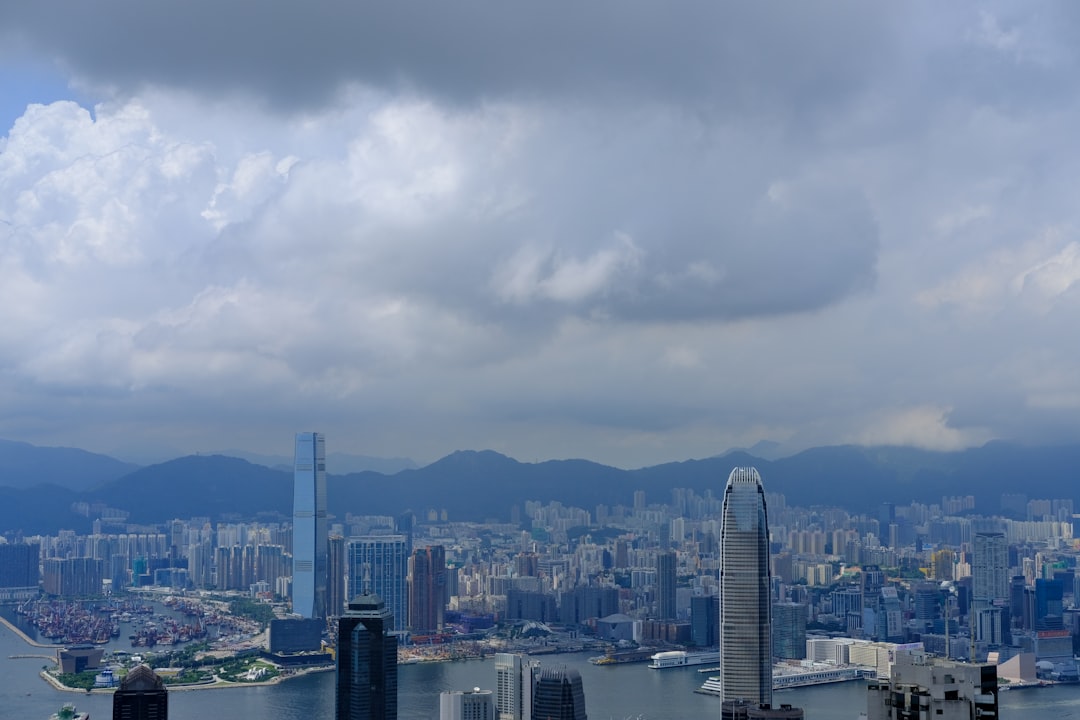
Once you spill out at the top, usually after navigating a maze of tourist traps and overpriced souvenir shops, the real prize reveals itself. The panorama of Hong Kong Island, Kowloon, and the shimmering expanse of Victoria Harbour stretched out beneath you is genuinely breathtaking. During the day, you can appreciate the intricate density of the urban sprawl, the tiny boats crisscrossing the water, the sheer audacity of building a city on such dramatic terrain. It’s a dizzying display of human ambition, concrete, and glass.
But if you can time it right, if you can brave the even larger hordes, the view at dusk is something else entirely. As the sun dips below the horizon, the city slowly ignites, a million tiny lights flickering to life, transforming the concrete jungle into a glittering, electric circuit board. The harbor becomes a dark, reflective mirror for the neon glow, and the entire city hums with a silent, powerful energy. It’s a moment that makes you feel incredibly small, yet profoundly connected to the pulse of this incredible metropolis.
Sure, there’s a shopping mall, Madame Tussauds, and all the usual tourist fluff up there, trying to extract every last dollar from your wallet. But ignore all that noise. Find a quiet spot, lean against a railing, and just let the immensity of the view wash over you. It’s a cliché for a reason, a mandatory pilgrimage for any first-timer, and despite the commercialization, the raw, unfiltered vista remains one of Hong Kong’s most powerful statements.
Feast in the Streets: Kowloon’s Culinary Heart
Step off the MTR in Mong Kok or Jordan after dark, and the sheer volume of sound, the relentless glow of neon, and the dizzying array of smells grab you by the throat. This is Kowloon, the gritty, authentic, unapologetic heart of Hong Kong’s street food scene, a place where culinary magic happens on sizzling woks and mobile carts, far from the polished marble of high-end restaurants. The air is thick with the scent of char siu, deep-fried squid, pungent fermented tofu, and sweet egg waffles, a truly intoxicating mix that pulls you deeper into the labyrinthine alleys.
Forget Michelin stars for a night; this is where the *real* Hong Kong eats. Here, you’ll find hawkers, many of whom have been perfecting their craft for decades, dishing out cheap, ridiculously flavorful bites from stalls that look like they haven’t changed since your grandparents were kids. Pointing and smiling often serve as your best language tools, especially when faced with a menu written entirely in Cantonese. The beauty is in the adventure, the slight thrill of ordering something you can’t quite identify, only to be rewarded with an explosion of unexpected flavors.
You’ll find skewers of fish balls, bouncy and doused in curry sauce, or crispy fried intestines, surprisingly delicious if you can get past the initial mental hurdle. There are glorious egg waffles, crispy on the outside, soft and airy within, perfect for a sweet hit. And then there’s stinky tofu, its aroma assaulting your nostrils from a block away, but its crispy exterior and soft, flavorful interior a true revelation for the brave. Every corner, every narrow passage seems to hold another culinary secret, another vendor with a specialty that will undoubtedly become your new obsession.
This isn’t about white tablecloths or hushed conversations; it’s about communal eating, standing shoulder-to-shoulder with locals, the clatter of chopsticks and the sizzle of oil forming the soundtrack to your meal. It’s fast, it’s furious, and it’s utterly authentic. Kowloon’s street food markets are a visceral, delicious dive into the city’s soul, a place where the simple act of eating becomes a profound cultural experience, messy fingers and all.
Conclusion: Embrace the Duality
Hong Kong is never just one thing, and that’s its enduring magic, its glorious, beautiful contradiction. It’s a city of gleaming skyscrapers that pierce the clouds, yet just beneath their shadow, you’ll find ancient temples offering quiet solace amidst the urban roar. It’s a place where luxury brands preen in air-conditioned malls, while mere steps away, street vendors hawk their wares with a raw, unapologetic charm. This duality isn’t a conflict; it’s the very essence of its existence, a constant, fascinating dance between tradition and relentless progress.
To truly understand this city, to let it get under your skin, you can’t just stick to one side of the coin. You have to embrace the jarring shifts, the way a serene morning hike can lead to an afternoon spent navigating the sensory overload of a wet market, followed by an evening sipping cocktails in a rooftop bar that seems to float among the stars. It’s in these contrasts, these abrupt transitions, that Hong Kong reveals its true character, its incredible adaptability and resilience.
So, when you visit, don’t just admire the skyline from afar; ride the Peak Tram, but then descend into the chaotic, delicious depths of Kowloon’s street food scene. Splurge on a fancy meal if you must, but promise yourself you’ll also queue for a bowl of wonton noodles from a hole-in-the-wall eatery that’s been perfecting its recipe for half a century. Walk through the gleaming financial district, but also get lost in the narrow alleys where laundry hangs from bamboo poles and the scent of incense lingers.
Hong Kong isn’t just a destination; it’s an experience that demands you engage with all its facets, from the polished sheen of its modernity to the gritty, authentic pulse of its street life. It challenges you, delights you, and ultimately, leaves an indelible mark, a testament to a city that thrives on its own magnificent, exhilarating contradictions.