
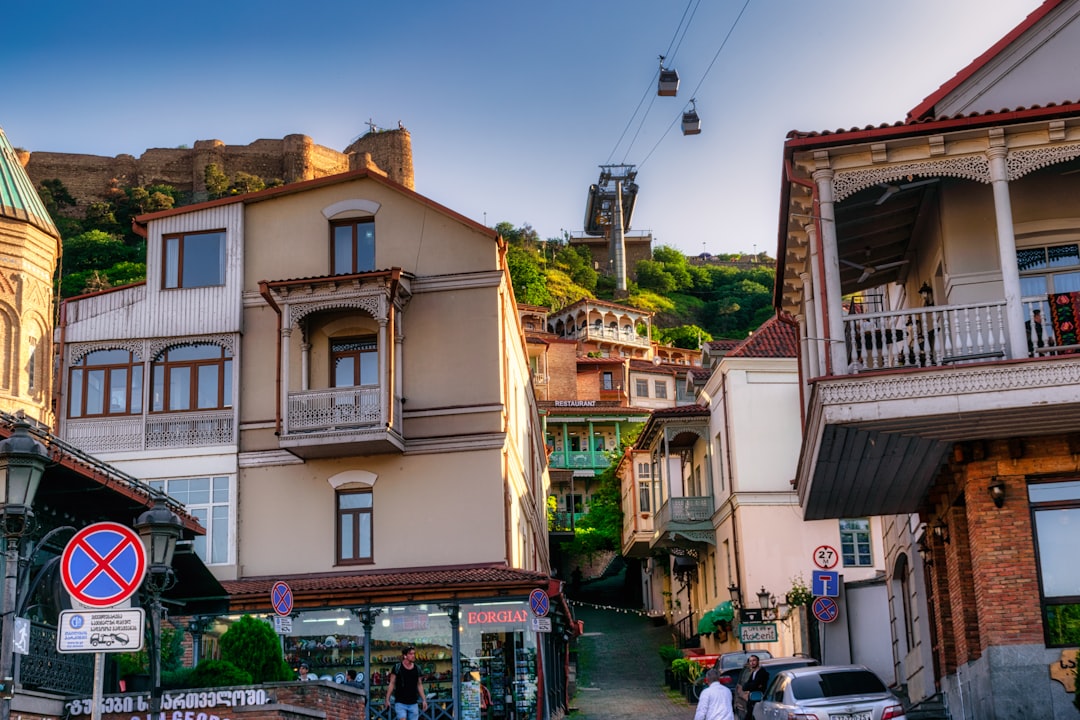

The air, thick and humid, clung to my skin, carrying the unmistakable tang of sulfur, a scent that most would recoil from but which, to me, smells like history and deep, bone-weary relaxation. You step off the cobbled streets of a city that’s been smashed and rebuilt more times than a cheap IKEA bookshelf, a city where ancient churches stand shoulder-to-shoulder with brutalist Soviet blocks and gleaming glass towers, and suddenly you’re in a steamy, subterranean world. This isn’t some sanitized spa experience with cucumber water and whale music; this is Tbilisi, raw and real, offering a therapeutic plunge into centuries of tradition.
It’s a bizarre, beautiful juxtaposition, this city where every corner seems to whisper tales of empires and resilience, and where the promise of a warm, unpretentious welcome hangs as palpably in the air as the steam from its legendary baths. You come for the sights, sure, the fortresses clinging to cliffs and the winding alleys, but you stay for the feeling, that deep-seated sense of being genuinely invited into something special, something that warms you from the inside out, much like the very waters bubbling beneath your feet. This is where ancient rituals meet a modern thirst for authenticity, where the simple act of bathing becomes a profound connection to a culture that prides itself on its generous spirit and its enduring traditions.
Abanotubani: The Heart of Tbilisi’s Wellness Tradition
The domed, brick roofs of Abanotubani rise from the ground like squat, ancient mushrooms, each one a silent sentinel to countless generations of Georgians who have sought solace and cleansing within their walls. The Kura River, a muddy green ribbon, snakes past, indifferent to the history it witnesses daily, while the air here is perpetually infused with that earthy, slightly rotten-egg aroma of hydrogen sulfide, a smell that quickly becomes synonymous with deep relaxation and something genuinely unique. You walk down a narrow lane, past vendors hawking chunky Georgian sweets and little clay souvenirs, and suddenly you’re face-to-face with the entrance, often just a simple wooden door leading into a surprisingly grand, tiled interior.
Inside, depending on whether you’ve opted for a private room or the more communal experience, you’re enveloped in a cloud of steam, the sound of splashing water, and a hushed murmur of voices. The private rooms are often a marvel of intricate tilework, a kaleidoscope of blues and greens that feel both opulent and wonderfully worn, a testament to their long, hard-working life. The water, naturally heated to a scalding but tolerable temperature by the earth’s own furnace, flows constantly, filling deep stone tubs where you soak, letting the sulfur-rich minerals seep into every pore, unwinding every knot of travel fatigue.
Then there’s the mekise, the bath attendant, often a formidable figure who will, for a modest fee, scrub you down with a coarse kisa mitten until you’re convinced several layers of your skin, and possibly your past regrets, have been sloughed away. It’s an invigorating, almost brutal experience, followed by buckets of warm water poured over you, and then, if you’re brave, a shocking, glorious douse of cold water that snaps you back to full awareness, leaving your skin tingling and your mind surprisingly clear. It’s not just a bath; it’s a full-body reset, a ritual that has been perfected over centuries, deeply ingrained in the fabric of Georgian wellness.
This isn’t just about getting clean; it’s about participating in a living history, a tradition that predates most modern notions of spas by a millennium or two. The sulfur baths are where locals come to socialize, to gossip, to unwind after a long week, and where visitors can truly feel the pulse of the city’s ancient heart. It’s a sensory overload that somehow leads to profound calm, a testament to the enduring power of simple, natural elements to heal and rejuvenate.
Beyond the Baths: Discovering Tbilisi’s Local Flavors & Charm
Emerging from the steamy embrace of the baths, feeling remarkably light and utterly cleansed, a different kind of craving usually takes hold: the primal urge for sustenance. And Tbilisi, my friends, delivers this with an unapologetic, generous hand, often just a stone’s throw from the very bathhouses themselves. The immediate vicinity of Abanotubani, beyond the tourist-heavy souvenir stalls, quickly gives way to narrow, winding alleys that feel less curated and more authentically lived-in, where the real magic of Georgian hospitality often unfolds.
Forget the fancy restaurants for a moment; what you need is a proper khachapuri Tbilisi style, something warm and gooey and utterly soul-satisfying. Picture this: you stumble into a small, unassuming bakery, the kind with flour dusted everywhere and the scent of yeast and melting cheese hanging heavy in the air. You point to an Imeruli, a simple round of bread stuffed with tangy, salty cheese, or perhaps an Acharuli, shaped like a boat, its molten cheese lake topped with a raw egg yolk and a pat of butter, waiting to be stirred into creamy oblivion. This isn’t just food; it’s a hug in carb form, a fundamental pillar of Georgian comfort eating, best enjoyed hot, tearing off crusts and dipping them greedily.
And what better to wash down that cheesy goodness than a glass, or perhaps a carafe, of local Georgian wine? This isn’t your supermarket plonk; this is wine from a country that practically invented winemaking, where the tradition of fermenting grapes in massive clay vessels called qvevri buried underground dates back 8,000 years. You’ll find rustic taverns with checkered tablecloths and walls adorned with faded photographs, where the house wine arrives in an unlabeled bottle, its provenance less important than its honest, robust flavor. It’s often a dry, earthy red or a surprisingly complex amber (or “orange”) wine, poured with a smile and often accompanied by an impromptu toast from a friendly local, embodying the very essence of genuine Georgian hospitality.
These are the moments that define a trip to Tbilisi, not just the grand sights, but these intimate, unscripted experiences. The shared meal, the clinking of glasses, the easy conversation (even if through gestures and broken English) in a place that feels utterly authentic, miles away from any manufactured tourist experience. It’s in these charming local streets, away from the main drag, that you truly connect with the city’s heart and its people, finding that the warmth of the baths extends effortlessly into the warmth of its culinary traditions and its open-hearted welcome.
Essential Tips for Your Tbilisi Bath Experience
So, you’re ready to take the plunge? Smart move. First things first: decide if you want the full communal experience or the privacy of your own room. The public baths are cheaper, more traditional, and a great way to observe local life, but they’re segregated by gender and can be a bit more, shall we say, *rustic*. Private rooms, which can be booked by the hour, offer a more intimate, spa-like feel, perfect for couples or small groups, and often come with more amenities. Booking ahead, especially for private rooms on weekends, is highly recommended – a quick call or even just showing up a bit earlier can save you a wait.
Don’t assume everything is included in the base price. While the room or entry fee covers the bath itself, extras like towels, soap, and definitely the *kisa* scrub and massage are usually separate charges. These costs are typically quite reasonable, so don’t skimp; the scrub is an integral part of the experience and leaves you feeling incredibly fresh. Most places will have these items available for rent or purchase, but if you’re particular, bringing your own towel and toiletries isn’t a bad idea.
A word on etiquette: while the atmosphere is generally relaxed, remember this is a traditional establishment. In public baths, respect privacy and keep noise levels down. In private rooms, feel free to unwind, but be mindful of the time you’ve paid for. Hydration is key; the heat can be intense, so bring a water bottle or be prepared to purchase drinks. And if you opt for the *kisa* scrub, just relax and let the attendant do their thing – they know what they’re doing, even if it feels a little vigorous at first.
Ultimately, visiting the Tbilisi sulfur baths is more than just a bath; it’s a cultural immersion, a deep dive into the city’s soul. It’s an essential part of any comprehensive Tbilisi travel guide, pushing you gently out of your comfort zone and into a truly unique, memorable experience. So, go on, embrace the sulfur, savor the khachapuri, raise a glass of Georgian wine, and let this incredible city wash over you. You won’t regret it.