

The air, thick with the scent of cypress and ancient incense, hung heavy and still, a quiet reverence clinging to the eaves of a weathered Shinto shrine tucked away between glass towers. You might hear the distant rumble of a train, a whisper of the colossal city just beyond the sacred gate, but for a moment, the world is hushed, almost meditative. Then you step out, and the city hits you like a high-speed train, a relentless, dazzling, beautiful assault on every single one of your senses. This isn’t just a place; it’s an experience, a living, breathing paradox where centuries of tradition rub shoulders with a future that’s already here, demanding your full attention.
Tokyo doesn’t just embrace its contradictions; it revels in them, building entire districts around the electrifying friction between old and new, quiet and deafening. It’s a city that asks you to constantly adjust your internal compass, to recalibrate your expectations of what a metropolis can be. One minute you’re bowing at a stone lantern, the next you’re squinting against a million lumens of LED, trying to make sense of a thousand simultaneous conversations in a language you probably don’t understand, but which somehow still communicates pure, unadulterated energy. This is a place where every corner promises a fresh jolt, a new perspective on what it means to be truly alive in the heart of organized chaos.
The Hero Spots – Shinjuku & Shibuya
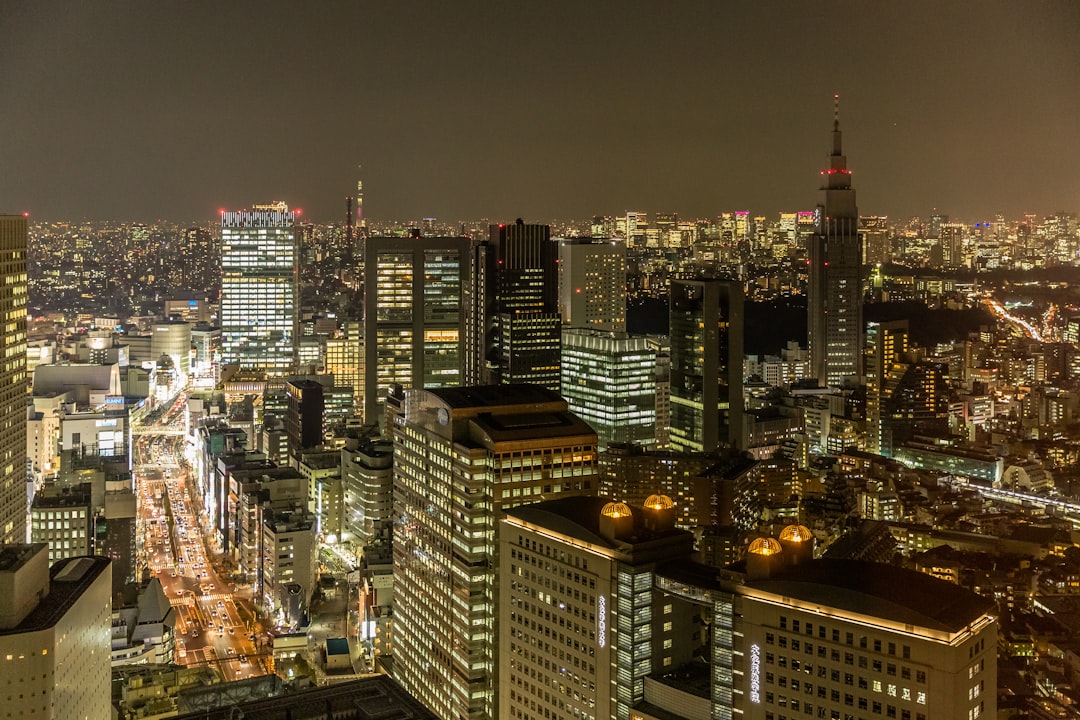
Shinjuku at night is less a district and more a vertical universe, a towering testament to human ambition and the insatiable desire for entertainment. The buildings here don’t just reach for the sky; they scream at it, plastered with colossal screens that flicker with anime characters, pop idols, and advertisements for everything from whiskey to ramen. The sheer scale is disorienting, exhilarating; you crane your neck, trying to take it all in, but there’s always more, another floor, another flashing sign, another alleyway promising a new adventure. The air thrums with a low, constant hum, a mix of pachinko parlor jingles, karaoke warbles, and the endless chatter of millions of people on the move. It’s a place that makes you feel both incredibly insignificant and profoundly connected to the pulse of modern life.
Then there’s Shibuya, where the famous crossing isn’t just a pedestrian intersection; it’s a choreographed ballet of humanity, a spectacle of synchronized chaos that you have to witness to believe. When the lights change, thousands of people surge forward from all directions, a river of bodies flowing across the asphalt, somehow never quite colliding, only merging and diverging with an almost supernatural precision. It’s mesmerizing, watching the sheer volume of people, all with their own destinations, their own stories, moving as one giant organism. The surrounding buildings, of course, are just as loud, just as bright, echoing the energy of the street below with their own visual cacophony.
Beyond the crossing, Shibuya continues its relentless assault of cool, with fashion boutiques, trendy cafes, and music stores spilling out onto the sidewalks. The streets pulse with youth and ambition, a constant parade of cutting-edge style and confident swagger. You could spend days just wandering these blocks, getting lost in the labyrinthine department stores, stumbling into a tiny bar, or simply people-watching from a second-story window, observing the endless stream of life below. It’s a district that demands you participate, not just observe, pulling you into its electrifying current whether you mean to or not.
The Unique Charms – Alleys & Markets
Escape the blinding glare of Shinjuku’s main arteries, and you’ll find yourself drawn into the magnetic pull of Golden Gai, a collection of six narrow alleys crammed with over 200 tiny bars. This isn’t your average clubbing district; these are shoebox-sized establishments, often seating no more than five or six patrons at a time, each with its own fiercely individual character. One might be plastered with movie posters, another might be a punk rock shrine, a third a quiet haven for jazz lovers. The magic here is in the intimacy, the shared space, the conversations struck up with the owner-bartender and a handful of strangers. It’s a place where you feel like you’ve stumbled into a secret society, a real, unvarnished piece of Tokyo’s soul that steadfastly refuses to conform to anything else.
Just a stone’s throw away, under the railway tracks, lies Omoide Yokocho, or “Memory Lane,” a smoky, grimy, utterly captivating network of alleys that feels like a portal to post-war Tokyo. The air here is thick with the scent of grilling yakitori, cheap sake, and decades of shared stories. Tiny stalls, barely wider than a doorway, serve up skewers of chicken, offal, and vegetables, alongside steaming bowls of ramen or soba. The stools are often cramped, the counters worn smooth by countless elbows, but the atmosphere is warm, inviting, and deliciously authentic. It’s a place where salarymen unwind after a long day, where travelers rub shoulders with locals, all united by good food and the comforting hum of conversation. You don’t just eat here; you soak in the history, the grit, the enduring spirit of Tokyo.
And then there’s Ameyoko Shopping Street, particularly captivating as the day winds down and the late-night buzz truly kicks in. Stretching between Ueno and Okachimachi stations, this market is a glorious, chaotic jumble of everything imaginable: fresh fish, dried goods, cheap clothes, electronics, and street food that will make your mouth water. Vendors shout their prices, the smells are a heady mix of seafood and spices, and the crowd moves with a purposeful energy. It’s a place where you can haggle for a bargain, grab a skewer of grilled squid, or simply stand back and marvel at the sheer, unadulterated energy of it all. Ameyoko isn’t polished; it’s raw, real, and a fantastic counterpoint to the city’s more refined offerings, a true taste of Tokyo’s enduring street culture.
Final Tips for Your Tokyo Exploration
Navigating these electrifying districts demands a certain level of surrender. Don’t go in with a rigid itinerary; instead, embrace the art of getting delightfully lost. Tokyo’s best experiences are often found down an unexpected alley, behind an unassuming door, or simply by observing the flow of life around you. Wear comfortable shoes – you’ll be doing a lot of walking, and the sheer scale of the city means distances can be deceptive. A portable Wi-Fi device or a local SIM card is invaluable for mapping your way, but don’t be afraid to put the phone away and just look.
Embrace the sensory overload; it’s part of the charm. The noise, the lights, the crowds – they’re not hindrances, but integral components of Tokyo’s unique character. When it comes to the smaller bars and eateries in places like Golden Gai or Omoide Yokocho, be polite, be open, and be ready to make new friends, even if language is a barrier. A simple “Kanpai!” (cheers!) and a smile go a long way. Tokyo is a city of profound contrasts, where ancient rituals coexist with futuristic technology, and the quietest corners are often just steps away from the loudest celebrations. So go on, dive in, explore its dazzling contradictions and its unseen corners. Let Tokyo overwhelm you, enlighten you, and utterly transform your idea of what a city can be.