
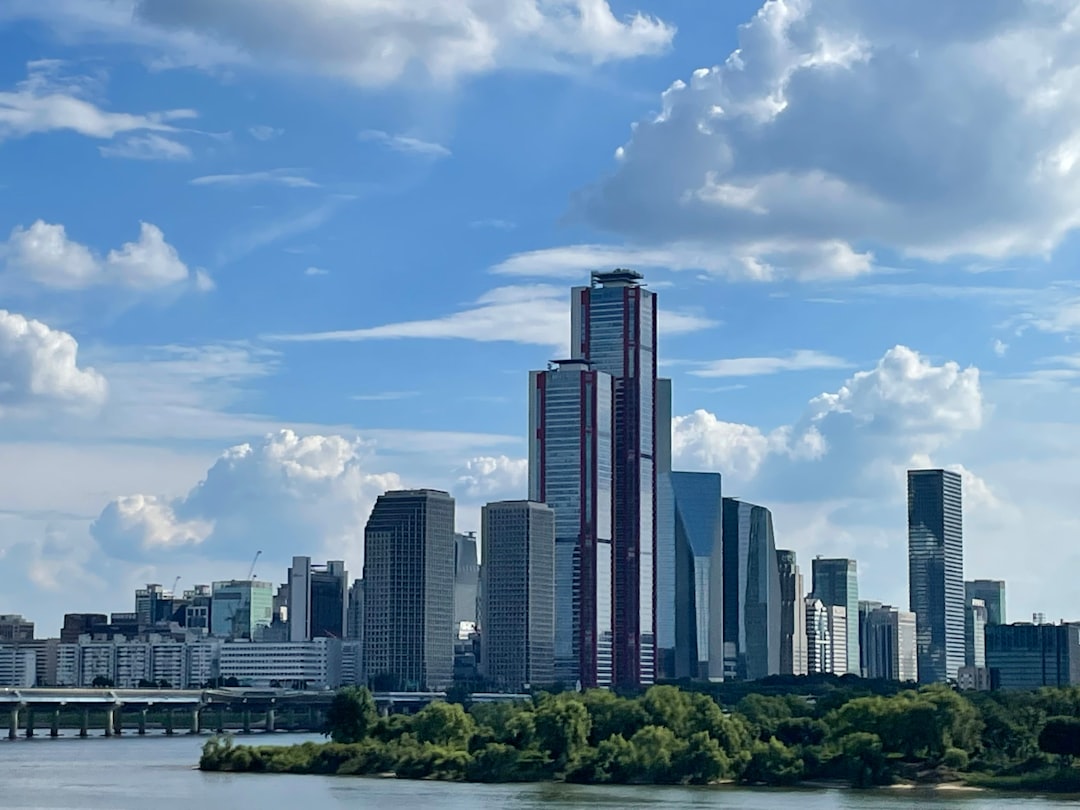

The metallic sheen of the Dongdaemun Design Plaza, a spaceship crash-landed in the middle of a frantic metropolis, still feels like a punch to the gut every time I see it. It’s all smooth curves and alien angles, a monument to a future that arrived yesterday, and it sits there, unapologetically modern, just a stone’s throw from the stoic, painted gates of Gyeongbokgung Palace. This isn’t just a city with old buildings and new ones; it’s a place where two distinct timelines are not just coexisting, but actively elbowing each other for space, creating a kind of beautiful, jarring chaos.
You walk out of a subway station, the air thick with the smell of kimchi and exhaust fumes, and one minute you’re dodging electric scooters and people glued to their phones, the next you’re staring up at a wooden gate adorned with dragons, feeling the weight of six centuries pressing down on you. That’s Seoul. It doesn’t ask you to pick a side between tradition and trend; it shoves both in your face and expects you to deal with the whiplash. It’s a city that’s constantly reinventing itself, often without bothering to clear away the old blueprints first.
The DDP itself is a marvel, if you’re into that kind of thing – Zaha Hadid’s vision of fluid architecture, all concrete and aluminum, hosting fashion shows and design exhibitions. It’s sleek, it’s cool, it’s the kind of place where you feel slightly underdressed just walking past. It hums with the energy of creation and consumption, a beacon for everything cutting-edge, proving that Korea isn’t just catching up to the future, it’s actively designing it.
But then, you turn a corner, and there’s the fortress wall, or a small shrine tucked between high-rises, or the distant, dignified outline of a palace roof. It’s a constant reminder that for all its forward momentum, Seoul has roots that run deep, roots that refuse to be paved over. This isn’t some sanitized theme park where history is neatly packaged; it’s a living, breathing city that wears its past and future on the same sleeve, often with a complete disregard for aesthetic harmony.
Step Back in Time at Gyeongbokgung Palace
Stepping through the Gwanghwamun Gate into Gyeongbokgung Palace, the sheer scale of the place hits you like a physical force. It’s not just big; it’s vast, a sprawling complex of halls, courtyards, and pavilions that makes you feel tiny, insignificant, and utterly awestruck. The guards, in their traditional attire, stand motionless, almost too perfect, like living statues. The air itself seems to thicken with history, a palpable weight that settles on your shoulders as you walk the wide, gravel paths.
The architecture here isn’t just functional; it’s a statement of power, a declaration of the Joseon Dynasty’s might. The intricate dancheong patterns, those vibrant, geometric paintings on the eaves and pillars, are a riot of color – reds, greens, blues, and golds – that somehow manage to be both delicate and commanding. You could spend an hour just craning your neck, tracing the lines, wondering about the artisans who spent their lives perfecting these details, layer by painstaking layer. It’s a visual feast, a testament to an era when beauty was intertwined with authority.
Imagine the kings and queens, the scholars and eunuchs, who once walked these very grounds, their lives unfolding within these painted walls. The Geunjeongjeon Hall, the main throne hall, where coronations and official ceremonies took place, still exudes a quiet majesty. You can almost hear the rustle of silk robes, the hushed whispers of court intrigue, the heavy pronouncements of power. It’s a place where history isn’t just told; it’s felt, a resonant hum beneath your feet, a chill in the air that has nothing to do with the weather.
And yes, it’s photogenic. Absolutely. You’ll see legions of tourists, many dressed in rented hanbok, posing for that perfect shot against the vibrant backdrops. It’s a bit of a circus sometimes, but even through the throngs, the palace retains its dignity. It reminds you that this isn’t just a pretty backdrop; it’s the heart of a kingdom, a place of profound significance that has witnessed centuries of triumphs, tragedies, and the relentless march of time.
Discover Seoul’s Traditional Soul: Bukchon Hanok Village
Just uphill from the grandiosity of Gyeongbokgung, tucked away on winding, impossibly steep lanes, lies Bukchon Hanok Village. This isn’t a palace, nor is it a museum in the traditional sense; it’s a living, breathing neighborhood of traditional Korean houses, or hanoks, that somehow dodged the wrecking ball of modernization. You leave the wide avenues and the hum of traffic behind, and suddenly, you’re in a maze of narrow alleys, where the quiet is only occasionally broken by the murmur of other tourists or the distant clang of a pot from someone’s kitchen.
These aren’t the grand, royal residences, but the homes of high-ranking officials and noble families from centuries past. The hanoks themselves are a masterclass in traditional Korean architecture: elegant tiled roofs that curve gracefully towards the sky, wooden beams, and walls made of earth and stone. They’re designed to blend with nature, to offer warmth in winter and coolness in summer, and walking among them, you get a real sense of what daily life might have been like before concrete and glass took over the skyline.
It’s a charming place, no doubt, but it’s also a place where residents still live, trying to go about their day while a constant stream of visitors peers into their courtyards. There’s a polite tension in the air – the desire to preserve and share history clashing with the simple need for privacy. You’ll find small craft shops, tea houses, and guesthouses interspersed with the private residences, offering a taste of traditional Korean culture, often at a slightly inflated price.
Despite the crowds, especially on the main viewpoints where everyone jostles for the perfect panoramic shot of the traditional roofs against the modern city backdrop, Bukchon maintains a certain magic. It’s a tangible link to a different era, a quiet rebellion against the relentless pace of change that defines so much of Seoul. Take your time, wander off the main drag, and you might just find a quiet corner, a hidden cafe, and a moment of genuine serenity amidst the ancient timbers.
Experience Seoul: A Journey Through Time and Trend
Seoul is a city that refuses to be pigeonholed. It’s not just ancient palaces and traditional villages, nor is it solely a neon-soaked, K-Pop-fueled metropolis. It’s both, and everything in between, often within a single block. The city forces you to constantly recalibrate your expectations, to embrace the delightful disorientation of stepping from a centuries-old temple into a hyper-modern shopping mall without so much as a blink. This constant interplay between the old and the new is its defining characteristic, its unique rhythm.
And nowhere is this more apparent than in its markets and food scene. Forget your pristine, air-conditioned supermarkets; head to Gwangjang Market, where the air is thick with the smell of sizzling bindaetteok (mung bean pancakes) and spicy tteokbokki. It’s a sensory overload, a cacophony of vendors hawking everything from silk to kimchi, a place where you can pull up a stool at a communal table and eat some of the most authentic, no-frills Korean food you’ll ever taste. This is the raw, beating heart of Seoul, where tradition isn’t just preserved, it’s consumed, shared, and lived.
Beyond Gwangjang, there’s Namdaemun Market, a sprawling labyrinth where you can find anything from eyeglasses to electronics, traditional crafts to street fashion. It’s a place for serious haggling, for getting lost in the sheer volume of goods, for observing the daily grind of commerce that has sustained this city for generations. These markets are not just places to buy things; they are social hubs, culinary adventures, and vibrant, unfiltered slices of Korean life that hum with an energy distinct from the quiet dignity of the palaces.
So, when you come to Seoul, don’t just tick off the famous landmarks. Let the city pull you in, let it challenge your preconceptions. Explore the ancient traditions of its palaces and hanok villages, yes, but also dive headfirst into the frenetic energy of its markets, the late-night buzz of its street food stalls, and the futuristic gleam of its design districts. Seoul isn’t a destination; it’s an experience, a relentless journey through time and trend that will leave you both exhausted and exhilarated, and undoubtedly craving more.