
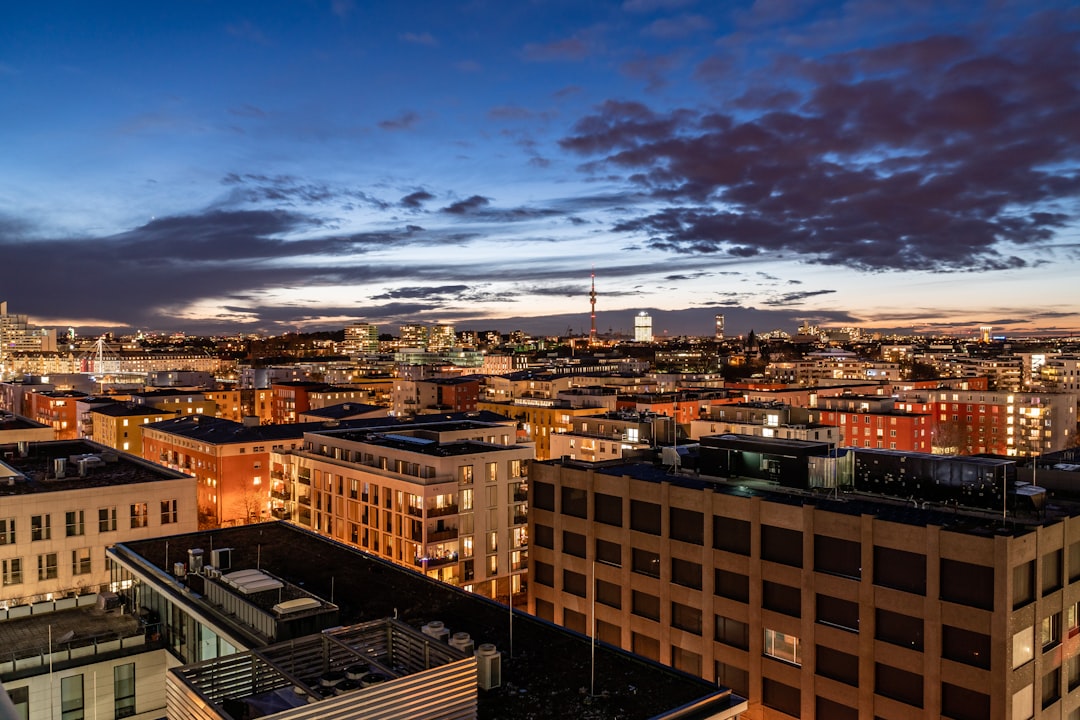

The first thing that hits you in Munich isn’t the chime of a clock tower, nor the sleek whisper of a tram, but often the rich, earthy scent of malt and hops mingling with warm pretzels, a distinct aroma that clings to the air like a second skin. It’s a city that manages to be both ancient and aggressively modern, where medieval grandeur rubs shoulders with glass-and-steel architecture, a fascinating, sometimes jarring, blend that keeps you on your toes. This isn’t some quaint, sleepy Bavarian village; this is a proper European capital, but one that still deeply, profoundly, reveres its traditions, especially when those traditions involve enormous quantities of excellent beer.
And when I say “enormous quantities,” I’m not exaggerating, not even a little bit. Munich isn’t just home to a few pleasant outdoor drinking spots; it’s a sprawling, meticulously organized ecosystem of beer gardens, a civic institution where the act of drinking beer outdoors under the shade of chestnut trees is elevated to a high art form. We’re talking about a place where over twenty of these glorious establishments can comfortably seat a thousand people or more *each*. Think about that scale for a second: it’s not just a pub with a patio; it’s an entire social infrastructure built around shared tables, hearty food, and liters of liquid gold.
This isn’t a city that just tolerates its past; it actively lives it, breathes it, and serves it up in a Maßkrug. You’ll see locals strolling in their traditional Lederhosen or Dirndls right alongside folks in the latest designer sneakers, all heading for the same communal benches. The beer garden isn’t just a place to drink; it’s a place to gather, to unwind, to watch the world go by, and to participate in a ritual that has been perfected over centuries. It’s where the old soul of Bavaria meets the current pulse of a sophisticated city, all under the open sky.
The Hero Spot
You want to get a handle on a city, really understand its bones, its sprawl, its relationship to the world around it? You climb. And in Munich, the climb that truly delivers is up the south tower of the Frauenkirche, the twin-domed cathedral that dominates the skyline. Forget the postcard perfect shots from street level; the real magic, the true “aha!” moment, happens when you’re high above the red-tiled roofs, feeling the wind whip around your face.
The ascent itself is a bit of a journey, a mix of ancient spiral stairs and a slightly more modern lift that still feels like it’s been hauling people up this venerable structure since before your great-grandparents were a twinkle in anyone’s eye. There’s a sense of anticipation as you navigate the narrow passages, the stone cool against your fingertips, the muffled sounds of the city gradually fading below, replaced by the creak of old wood and the occasional gust of air. It’s not a grueling hike, but it’s enough to make you feel like you’ve earned the view that’s about to unfold.
Then you step out onto the observation deck, and everything changes. It’s a full 360-degree panoramic assault on the senses, a breathtaking sweep of Munich laid out like an intricate, centuries-old map. The city’s core, with its squares and grand avenues, unfurls beneath you, a mosaic of terracotta roofs, green spaces like the English Garden stretching out seemingly forever, and the glint of sunlight off distant modern buildings. You can pick out landmarks you’ve only seen from the ground, now perfectly placed in their urban context.
But the real showstopper, the thing that truly anchors Munich in its spectacular setting, is the southern horizon. On a clear day, and you absolutely must pick a clear day for this, the Alps rise up, a jagged, snow-capped wall of rock against the sky, a stark reminder that this urban hub is just a stone’s throw from some of Europe’s most dramatic wilderness. It’s a view that not only shows you the city but also connects it to the vast Bavarian landscape, making you feel like you’ve unlocked a secret, understood a fundamental truth about this place. It’s not just a photo op; it’s an epiphany.
The Augustiner-Keller
If you want to experience a beer garden as the locals do, without the flashing lights and the tour bus hordes, you need to make a pilgrimage to Augustiner-Keller. It’s not exactly a secret, mind you, but it feels like you’ve stumbled upon something genuinely authentic, a place that simply *is*, rather than a place designed to impress tourists. You might have to walk a few extra blocks from the main drag, but that just makes the reward all the sweeter.
As you approach, the sounds change: the distant rumble of city traffic gives way to a low hum of conversation, the clinking of glasses, and the occasional burst of laughter. Then you step through the entrance, and the world opens up into a massive, shaded expanse, dominated by hundreds of ancient chestnut trees. Their sprawling canopies create a natural roof, dappling the sunlight and providing a cool, calm retreat even on the hottest summer afternoons. The ground is gravel, crunching satisfyingly underfoot, and the air smells of grilled sausages, fresh pretzels, and, of course, that unmistakable Augustiner beer.
This isn’t about fancy service or white tablecloths; it’s about communal tables, often shared with strangers who quickly become temporary companions over a liter or two. You grab your own food from the self-service stalls—crispy roast chicken, potent Obatzda cheese spread, giant radishes, and those iconic pretzels the size of dinner plates. The beer, poured from wooden barrels, is consistently excellent, a testament to Augustiner’s long-standing brewing tradition. It’s straightforward, honest, and utterly delicious.
What makes Augustiner-Keller truly special is its unpretentious vibe. You’ll see families, students, businesspeople, and retirees, all coexisting in happy harmony, enjoying the simple pleasure of good food and great beer outdoors. It feels like a genuine slice of Munich life, a place where people come to unwind, chat, and just *be*. It doesn’t put on a show; it just *is* a show, a living, breathing example of Bavarian conviviality that feels far removed from the more overtly commercial or historically grander beer halls. It’s the kind of place you could spend an entire afternoon, letting the hours drift by, feeling completely at ease.
Final Tips
Navigating Munich’s beer gardens isn’t rocket science, but a few street-smart pointers can elevate your experience from merely good to absolutely legendary. First off, and this is crucial: bring cash. While many places are slowly catching up to the 21st century, a good number of the food stalls, especially in the self-service sections of the larger gardens, still prefer cold, hard Euros. Don’t get caught rummaging for a card when all you want is another giant pretzel. It’s a minor hassle that can throw a wrench into your leisurely afternoon.
Secondly, don’t be shy about sharing a table. It’s not just polite; it’s practically mandatory in the larger, more popular gardens. Those long wooden benches are designed for communal enjoyment, and you’ll often find yourself squeezing in next to a local family or a group of students. A simple “Guten Tag” and a nod are usually enough to break the ice, and who knows, you might even strike up a conversation. And while you’re at it, learning a few basic German phrases, like “Ein Maß, bitte!” (A liter, please!) will go a long way, even if most Münchners speak excellent English. It shows you’re making an effort, and that’s always appreciated.
Finally, pace yourself. Those “Maß” (one-liter steins) are bigger than they look, and the beer is often stronger than your average American lager. It’s easy to get carried away in the festive atmosphere, but you want to enjoy the entire experience, not just the first hour. And don’t just stick to one beer garden; each has its own unique character, its own crowd, its own subtle variations on the theme. Explore a few, soak in the different vibes, and discover your own personal favorite.
Munich is a city that offers so much more than just beer, but its beer gardens are undoubtedly the beating heart of its social scene, a perfect encapsulation of its unique blend of tradition and relaxed sophistication. So, go ahead, climb that tower, find that authentic spot under the chestnut trees, and raise a liter. You won’t regret diving headfirst into the real Bavarian spirit.