
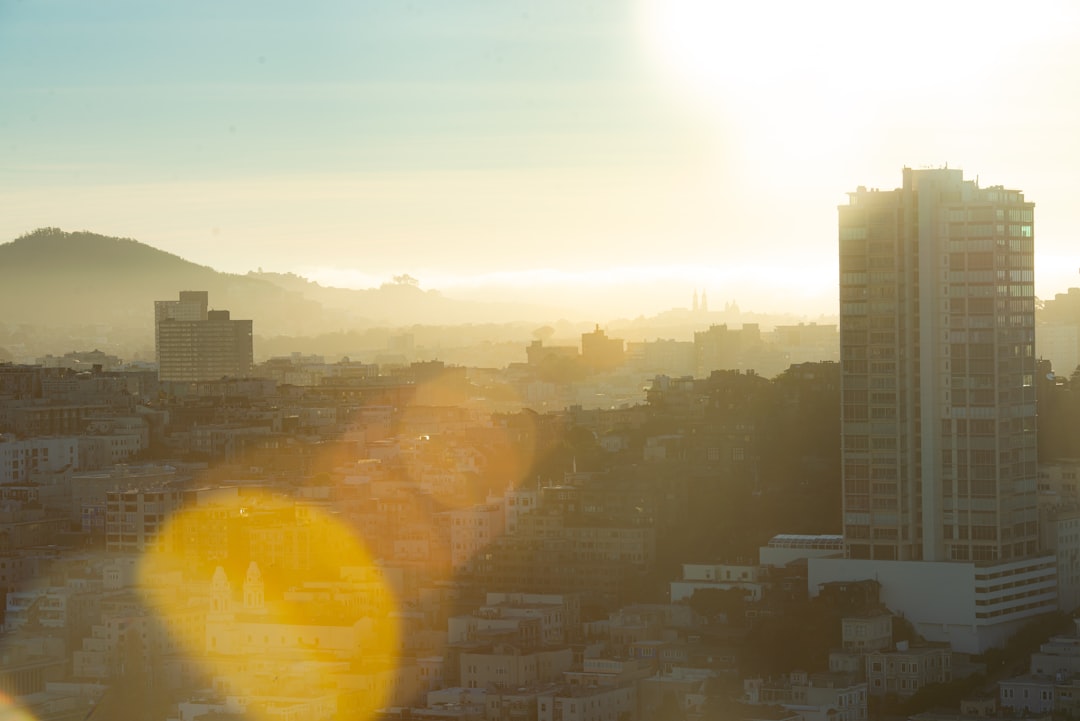

The wind whips off the bay, carrying the faint, salty tang of the Pacific and the distant groan of a foghorn, while a cable car bell clangs its way up Hyde Street, a mechanical, charming defiance of gravity. This city, all impossible hills and sudden, breathtaking vistas, doesn’t just invite you to explore; it practically shoves you out the door, daring you to embrace its unique blend of grandiosity and grit. It’s a place where iconic landmarks aren’t just pretty backdrops but active participants in the daily drama, where the fog rolls in like a character, not just a weather pattern.
San Francisco isn’t for the faint of heart, or for those who prefer their cities flat and predictable. It’s a constant climb, a sudden descent, a visual feast around every corner, often shrouded in that ethereal, dramatic mist. And the cable car, that rattling, open-air contraption, isn’t merely a quaint relic for tourists; it’s a vital, clanking pulse, a way to navigate the impossible slopes while feeling the wind in your hair and getting a proper, unfiltered view of the city unfolding around you. It’s a ride that connects you directly to the city’s stubborn, inventive spirit, a true urban exploration on rails.
There’s a raw, almost theatrical quality to the place, from the painted ladies standing sentinel on their steep streets to the sudden, shocking blue of the bay peeking between buildings. Every turn presents a new postcard, sure, but also a new challenge, a new story. You might find yourself gasping at the sheer drop of Lombard Street, then minutes later, marveling at the intricate mechanics keeping those cable cars from rolling backward down a 20-degree incline. It’s a city that promises diversity, delivers chaos, and somehow, always, leaves you wanting more.
The Hero Spot – Golden Gate Grandeur
You see it in a million photos, of course, that impossibly orange span against a frequently grey sky, but nothing, absolutely nothing, prepares you for the sheer, brutal scale of the Golden Gate Bridge when you’re standing right there. The wind can be vicious, a relentless force off the ocean, and the air bites with a cold, damp promise of fog, but the bridge itself, that “International Orange” steel, holds its ground, a defiant, elegant line across the churning strait. The distant thrum of traffic, the constant hum of the cables, the occasional bellow of a ship passing beneath – it’s a sensory overload that grounds you in the moment, reminding you that this isn’t just a pretty picture; it’s a colossal piece of engineering that changed the world.
Walking out onto it, even just a little way, you feel the vastness of the bay, the cold, powerful currents swirling below. Look down, if you dare, at the water, often a deep, menacing blue, sometimes flecked with whitecaps, and you’ll understand the challenge it posed, the sheer audacity of its construction. From the Presidio side, you get those classic, head-on shots, the bridge marching into the horizon, often swallowed by a dramatic curtain of fog that can roll in and out with startling speed. It’s a living, breathing entity, constantly interacting with the elements, never looking quite the same twice.
Then there are the other angles, the ones that give you a different perspective on its grandeur. Fort Point, huddled directly beneath its massive southern pier, offers a worm’s-eye view, making the bridge seem even more colossal, a steel giant striding over the old fort. Or head up to the Marin Headlands, across the bay, for those sweeping, panoramic shots that include the city skyline, a distant, glittering reward for your trek. Each vantage point reveals a new facet of its beauty, a new appreciation for the sheer audacity of its existence.
Yes, it’s crowded. You’ll dodge selfie sticks and slow-moving tour groups, but even with the masses, the Golden Gate commands respect. It’s one of those rare landmarks that, despite all the hype, all the postcards, still manages to deliver a genuine, gut-punch of awe. The way the light catches the cables, the sheer drop to the water, the feeling of being suspended between two worlds – it’s a humbling, exhilarating experience that is undeniably San Francisco.
The Cable Car Museum – Secrets
Most tourists ride the cable car, snap a photo, and call it a day, completely missing the true, greasy, clanking heart of the operation. The Cable Car Museum, tucked away on Mason Street, isn’t some dusty, quiet collection of artifacts; it’s a living, breathing engine room, the loud, powerful brain of the entire cable car system. You walk in, and the first thing that hits you is the smell of oil and hot metal, followed by the deep, rhythmic thrum of massive machinery.
Below your feet, behind a glass floor, are the actual cables, whirring and sliding, disappearing into the city’s underbelly, pulled by colossal wheels that look like they belong in some steampunk fantasy. It’s a marvel of Victorian-era engineering, a testament to raw mechanical power that still operates daily, pulling those iconic cars up and down San Francisco’s ridiculous hills. You can see the sheer tension in the lines, the relentless, powerful force required to move entire sections of the city.
The museum lays bare the ingenious, slightly insane history of how these things came to be. Imagine a city built on inclines so steep horses couldn’t manage them, and then picture the minds that conceived of an underground network of moving cables. The exhibits explain the gripman’s skill, the dangers, the sheer engineering feat of it all, turning what seems like a simple ride into an appreciation for a complex, robust system that has survived earthquakes, fires, and the march of progress. It’s a proper deep dive into the guts of the operation.
And the best part? It’s completely free. In a city that often feels like it’s charging you for the air you breathe, this working museum offers an authentic, behind-the-scenes look at one of its most defining features. Once you’ve witnessed the massive wheels spinning, the cables disappearing into the street, and understood the sheer power involved, riding a cable car again feels entirely different. You’re not just on a ride; you’re on a piece of living history, powered by the very machinery you just saw. It truly elevates the entire cable car experience from a mere tourist photo op to a genuine appreciation for mechanical ingenuity.
Final Tips for Your Bay Adventure
Alright, about those cable cars: don’t be a rookie and queue up for an hour at the Powell-Hyde or Powell-Mason turnaround. That’s for the uninitiated. Your move, if you want to actually ride one without feeling like cattle, is to walk a few blocks up the line. Pick a stop mid-route, or even better, find a less popular starting point if you’re flexible. Early mornings or late afternoons are your best bet for a slightly less sardine-can experience. Get a Muni Pass for the day – it’s far easier than fumbling for cash, and you can hop on and off as much as you like.
When you do get on, aim for a spot on the running board. Seriously, this isn’t just for the photos; it’s the only way to truly experience the ride. The wind in your face, the city dropping away beneath you, the gripman expertly clanging the bell and working those massive levers – it’s a visceral, slightly thrilling journey. Hold on tight, because those hills are no joke, and the turns can be surprisingly sharp. It’s a rollercoaster ride and a moving viewpoint all in one, a proper San Francisco baptism by cable.
But San Francisco is so much more than its bridge and its cable cars, as iconic as they are. Once you’ve ticked off the major sights, ditch the guidebooks for a bit and wander. Lose yourself in the colorful murals and incredible taquerias of the Mission District, feel the lingering bohemian spirit in North Beach, or explore the Victorian grandeur and independent shops of Hayes Valley. Each neighborhood has its own distinct personality, its own rhythm, its own particular brand of San Francisco quirk.
So, go. Embrace the fog, the hills, the sometimes-chaotic charm. Don’t just tick off the boxes; engage with the city. Walk until your calves burn, eat something delicious from a hole-in-the-wall spot, and let the unique, slightly unhinged magic of San Francisco wash over you. It’s a city that demands you experience it, not just observe it, and it will reward your curiosity in spades.