
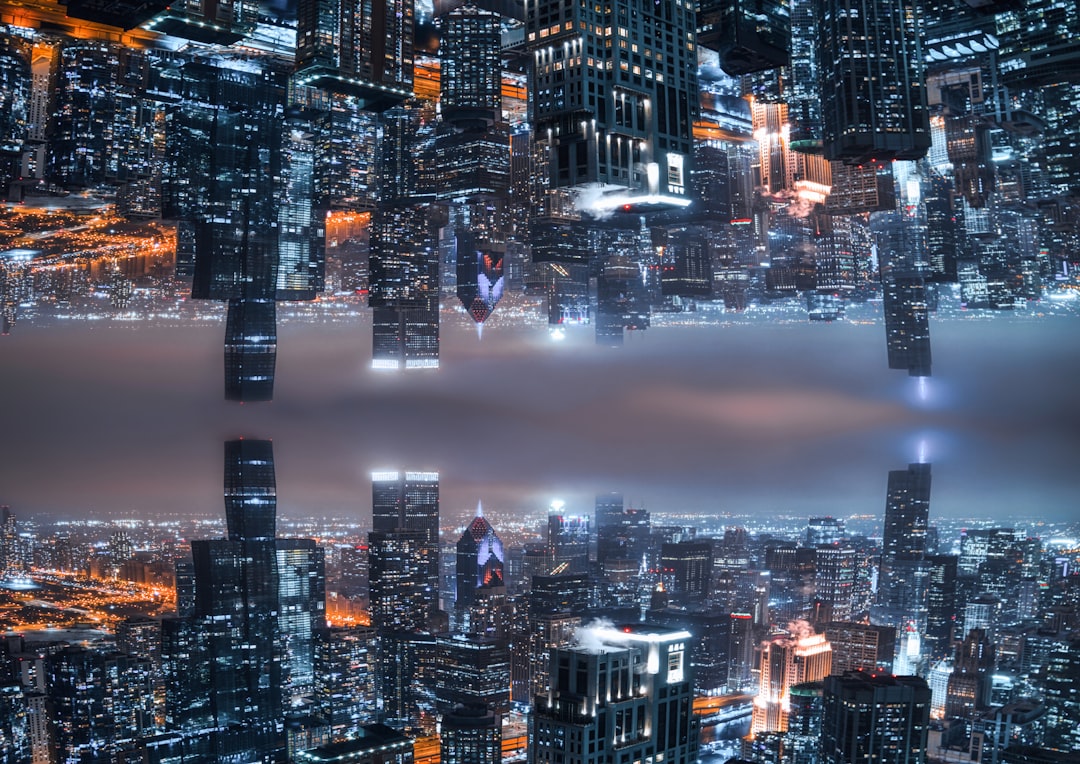

The wind whips off Lake Michigan, carrying with it the faint, greasy scent of melted cheese and tomato, a perfect counterpoint to the towering, audacious structures that claw at the sky. Chicago isn’t just a city; it’s a statement, a bold declaration of human ingenuity and culinary excess, a place where you can crane your neck until it aches from gazing at architectural marvels, then immediately soothe that ache with a slice of pizza so thick it demands a fork and knife. It’s a city that knows what it is, unapologetically grand and deliciously indulgent, drawing travelers from every corner of the globe who want to see what happens when ambition meets a truly flat landscape.
You come to Chicago for the big stuff, the things that redefine what a city can be, and you leave with a belly full of glorious, molten cheese and a camera roll packed with images of buildings that defy gravity. This isn’t some quaint European village; this is America at its most magnificent, a place where steel and glass are sculpted into works of art, and where a pie isn’t just a pie, it’s a geological event. The reputation precedes it, of course, but standing there, looking up, tasting that first bite, you realize the hype is not only real, it might actually be understated.
It’s a city built on a grid, easy to navigate, but its true character unfolds in the details, in the way the light hits a particular facade at sunset, or the specific crunch of a deep-dish crust. There’s a raw energy here, a sense of purpose that permeates the very air, pushing you to explore, to look closer, to eat more. And while some cities whisper their charms, Chicago shouts its greatness from the rooftops of its skyscrapers, daring you not to be impressed, daring you not to fall in love with its distinct brand of urban grandeur and gastronomic pleasure.
The Hero Spot
The Chicago Architecture River Cruise isn’t just a boat ride; it’s a masterclass in urban design, a floating lecture hall where the classroom walls are made of glass and steel and stretch to impossible heights. You glide along the Chicago River, the city parting for you like a liquid red carpet, and suddenly, the sheer scale of everything makes sense in a way it never could from street level. The guides, usually architects or historians, don’t just point out buildings; they tell stories, tales of ambition, innovation, and the relentless march of progress that shaped this incredible skyline.
From the river, you see the buildings not as isolated monuments but as a cohesive, evolving narrative, each one a chapter in Chicago’s architectural saga. You pass under bridges that feel impossibly low, then emerge into open stretches where the structures soar, their reflections shimmering and distorting on the water’s surface. The old Art Deco giants with their intricate details stand shoulder-to-shoulder with sleek, minimalist towers, a dialogue between eras happening right before your eyes. It’s a constant head swivel, a dizzying parade of styles and materials, each building vying for your attention, each demanding a moment of awe.
The perspective is genuinely unique; you’re looking up at the foundations, seeing the sheer bulk and engineering genius that supports these colossal structures, then following their lines all the way to the clouds. You’ll learn about the city’s post-fire rebuilding, the invention of the skyscraper, and the personalities behind some of the most recognizable structures in the world. It’s a humbling experience, really, to be so small amidst such monumental human achievement, and it makes you appreciate the city’s skyline not just as a pretty picture, but as a living, breathing testament to human audacity and vision.
The Unique Landmark
Then there’s Cloud Gate, affectionately known as “The Bean,” sitting there in Millennium Park like a giant, polished alien artifact, drawing crowds like moths to a particularly shiny flame. It’s not just a sculpture; it’s an interactive experience, a massive, seamless stainless steel mirror that swallows the entire Chicago skyline, distorts it, and spits it back out in a funhouse reflection. You walk around it, under it, and every angle offers a new, warped version of reality – the buildings ripple, the sky stretches, and your own reflection becomes a tiny, elongated figure in a sea of other tiny, elongated figures.
The appeal of The Bean is its sheer, unadulterated playfulness. It’s a magnet for photographers, amateur and professional alike, all trying to capture that perfect, impossible reflection, that unique angle that shows the city bending to its will. You can spend an absurd amount of time just watching people interact with it, laughing at their distorted faces, marveling at how the entire world seems to fold into its polished surface. It’s public art that demands engagement, that begs you to touch it, to see yourself in it, to become a part of its ever-changing visual narrative.
And while it might seem like just a giant, shiny object, its genius lies in how it frames the city. It’s not just a standalone piece; it’s a lens through which to view Chicago, a constant reminder of the architectural grandeur surrounding it, but seen through a funhouse mirror. It’s a simple, elegant concept executed on a monumental scale, and it works, drawing you in, making you smile, and providing one of the most iconic and instantly recognizable backdrops for a photo you’ll find anywhere in the world. It’s a testament to the idea that art doesn’t have to be stuffy to be profound; sometimes, it just needs to be big and shiny.
Conclusion: Final Tips
So, you’ve seen the giants from the river, felt the wind in your hair as you looked up at buildings that scrape the clouds, and laughed at your own reflection in a giant, chrome bean. Chicago isn’t subtle; it hits you with its grandeur, its history, and its unapologetic love for really good, really heavy food. It’s a city that demands your attention, rewards your curiosity, and leaves you utterly satisfied, both intellectually and gastronomically. You’ll leave with a deeper appreciation for urban design and probably a few extra pounds, but every single one of them will have been worth it.
The architectural cruise is non-negotiable; it’s the Rosetta Stone for understanding this city’s visual language. And Cloud Gate, for all its touristy appeal, is a genuinely joyful experience that connects you to the urban landscape in a unique, whimsical way. These aren’t just items on a checklist; they’re essential rites of passage for anyone wanting to truly experience the spirit of the Windy City, a spirit that blends audacious design with an approachable, hearty charm.
Don’t just visit Chicago; immerse yourself in its towering achievements and its comforting indulgences. Go, walk its streets, gaze up until your neck hurts, and then find the nearest deep-dish joint and order the biggest, cheesiest slice you can handle. This city isn’t just about seeing things; it’s about feeling them, tasting them, and letting them leave an indelible mark on your memory. Start planning your own adventure; Chicago is waiting to impress you.