
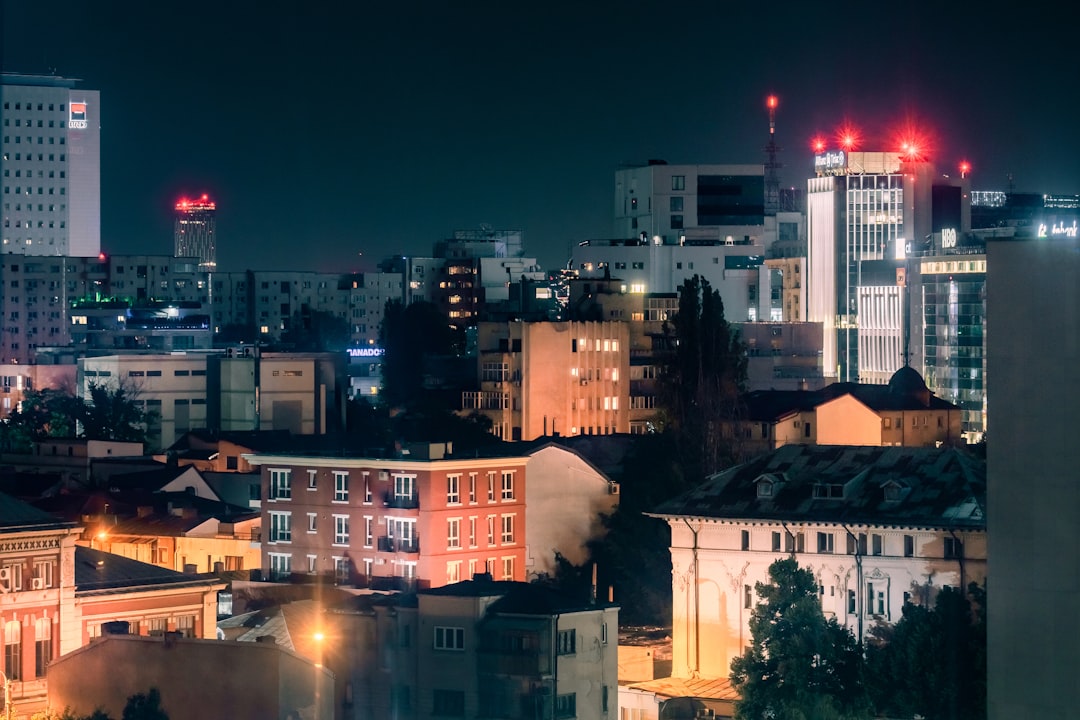

The faded elegance of a grand Parisian boulevard, suddenly interrupted by a stark, brutalist block of concrete from another era, that’s Bucharest. It’s not some manicured European postcard; it’s a city that wears its history like a crumpled suit, a place where the ghosts of empires and ideologies still argue in the wind. You see the French-inspired architecture, the wide avenues, the cafes spilling onto sidewalks, and then, just around the corner, something entirely different, something unmistakably Eastern European, often a bit grittier, a bit more real. This isn’t “Little Paris” in the sense of a perfect replica; it’s “Little Paris” as if it went through a few wars, a dictatorship, and came out the other side with a wry smile and a stronger drink.
This city doesn’t just blend Eastern and Western influences; it smashes them together, lets them fight it out, and then casually sips a strong coffee while the dust settles. You’ll find ornate Orthodox churches standing defiantly beside sleek, modern glass towers, and communist-era apartment blocks loom over charming Belle Époque villas. It’s a fascinating, sometimes jarring, visual cacophony that tells a story of constant reinvention, of a city that refuses to be categorized easily. It’s a city that has been through the wringer, from Ottoman rule to monarchy, then the brutal grip of communism, and now a headlong rush into a capitalism that sometimes feels like the Wild West.
And when the sun dips below the horizon, Bucharest really wakes up. The historical weight might be heavy during the day, but by night, the Old Town throbs with an energy that’s almost infectious. Pavement cafes transform into lively bars, music spills from every doorway, and the narrow cobblestone streets become a river of people looking for a good time. It’s a place where you can spend the afternoon contemplating history’s scars and then lose yourself in a raucous, unapologetic party until the early hours. This isn’t a city that whispers; it shouts, it laughs, it sometimes sighs, but it never, ever bores you.
Grandeur of the Palace of the Parliament
You walk down the wide boulevards, past buildings that hint at a forgotten opulence, and then it hits you: the Palace of the Parliament. It doesn’t just appear; it looms. This isn’t a building; it’s a geological event, a colossal, concrete mountain that dwarfs everything around it, including your sense of perspective. They call it the “World’s Heaviest Building,” and standing there, feeling the sheer, oppressive weight of its existence, you absolutely believe it. It’s a monument to ego, a defiant, almost grotesque display of power that still feels like a punch to the gut, even decades after its construction. You could spend an hour just trying to fit the whole damn thing into your camera frame, and still feel like you’re missing half of it.
This gargantuan structure, born from the megalomaniacal vision of Nicolae Ceaușescu, stands as a chilling reminder of a regime that flattened entire neighborhoods, displaced tens of thousands of people, and starved its own citizens to fund its construction. It’s not just bricks and mortar; it’s a physical manifestation of human suffering and unchecked ambition. Every marble slab, every chandelier, every square foot of its absurdly opulent interior has a story of sacrifice and cruelty etched into it. You can’t look at it without feeling the immense, tragic cost, the forced labor, the sheer audacity of building something so ridiculously grand while your country crumbled. It’s a complex, ugly, beautiful beast, a scar on the city’s face that refuses to heal or be ignored.
Yet, despite its dark origins, the building now serves as the seat of the Romanian Parliament, a bizarre twist of fate that sees democratic processes playing out within the walls of a dictator’s dream. The tours are a necessary evil, a way to grasp the sheer scale of the interior, the endless hallways, the rooms upon rooms that lead to more rooms, each more lavishly decorated than the last. It’s a dizzying experience, a testament to how far a single man’s delusion can stretch.
And then, in a strange, almost poetic contrast to the building’s stark, heavy presence, there’s the Fountain Show. On warm evenings, the fountains in front of the Palace erupt into a choreographed dance of light and water, set to music. It’s visually impressive, a momentary distraction from the weighty history, a splash of modern spectacle against the backdrop of communist-era concrete. Is it beautiful? Yes, in a grand, theatrical way. Does it make you forget the building’s origins? Not for a second. But it does add another layer to Bucharest’s already complicated personality, proving that even the most imposing structures can have a moment of fleeting, watery grace.
Hidden Delights & Culinary Gems
After all that historical weight and concrete grandeur, sometimes you just need to soak. And Bucharest has a solution that’s anything but small-scale: Therme Bucharest. Forget your average local spa; this place is an enormous, futuristic oasis of warmth and relaxation, a glass-domed paradise that feels like it was airlifted from a sci-fi movie and dropped right outside the city. You walk in, and the sheer volume of tropical plants, the shimmering pools, the sheer space of it all, immediately hits you. It’s a sensory overload, but in the best possible way, a complete escape from the city’s sometimes chaotic energy.
They’ve got different zones, of course, because this isn’t some half-baked operation. There’s “The Palm,” a literal jungle under glass with warm mineral pools, loungers, and palm trees reaching for the sky. Then “Elysium,” which is all about the saunas and steam rooms, each with a different theme, different scents, different temperatures to bake out every last bit of city grime and stress. And for those who are still kids at heart, or actually have kids, there’s “Galaxy,” with slides that twist and turn like a madman’s spaghetti. You can spend an entire day here, drifting between pools, sipping a cocktail, feeling the steam open up your pores, and wondering if you actually need to go back to reality. It’s an indulgence, absolutely, but sometimes a little over-the-top luxury is exactly what you need.
When hunger finally calls you back to the real world, you need to head straight for Caru’ cu Bere. This isn’t some quiet, unassuming eatery; it’s a cathedral of Romanian cuisine, a Belle Époque masterpiece of stained glass, carved wood, and painted ceilings that will make your jaw drop before you even see the menu. It feels like stepping back in time, into a grand, boisterous hall where people have been eating, drinking, and laughing for over a century. Yes, it’s popular with tourists, but it’s popular for a reason: the atmosphere is genuinely electric, the building itself is a work of art, and the food, while traditional, is hearty and satisfying.
And speaking of food, you absolutely must try the Sarmale. These aren’t just cabbage rolls; they’re little parcels of comfort, minced meat and rice wrapped in pickled cabbage leaves, slow-cooked until they’re tender and bursting with savory flavor. They come swimming in a rich sauce, often with a dollop of sour cream, and they are the kind of dish that sticks to your ribs and warms your soul. And for dessert, forget everything you thought you knew about donuts and order the Papanași. Imagine a fried donut, light and fluffy, topped with sour cream and a generous helping of fruit jam, usually blueberry or cherry. It’s sweet, it’s tangy, it’s gloriously indulgent, and it’s the perfect end to a meal in a city that knows how to feed you right.
Your Bucharest Adventure Awaits
So, why Bucharest? Because it’s not trying to be anything it’s not. It’s not Rome with its ancient ruins perfectly preserved, nor is it Paris with its picture-perfect boulevards. Bucharest is a city with grit, with scars, with stories etched into every crumbling facade and every polished marble floor. It’s a destination that rewards curiosity, that forces you to look beyond the surface, to understand the layers of history and the relentless march of modernity. It’s a place where you can find unexpected beauty in the most unlikely of places, where the past and present are in a constant, fascinating dialogue.
This city is for the adventurous souls, for those who appreciate authenticity over polished perfection. It’s for travelers who want to feel the pulse of a place, to understand its complexities, to eat real food, and to party with real people. You won’t find perfectly curated museum experiences around every corner, but you will find a raw, unapologetic energy that’s utterly captivating. It’s a city that keeps you on your toes, that challenges your perceptions, and that ultimately leaves a lasting impression, a sense of having truly experienced something unique.
So, ditch the predictable European circuit for a bit. Grab a map, or better yet, just wander. Let the city surprise you, let it challenge you, let it show you its many faces. From the imposing grandeur of the Palace of the Parliament to the rejuvenating waters of Therme, from the historical echoes of Caru’ cu Bere to the thumping bass of its nightclubs, Bucharest is waiting. It’s a city that demands your attention, and trust me, it’s worth every second. Go on, get out there. The Little Paris of the East, with all its glorious imperfections, is calling your name.