
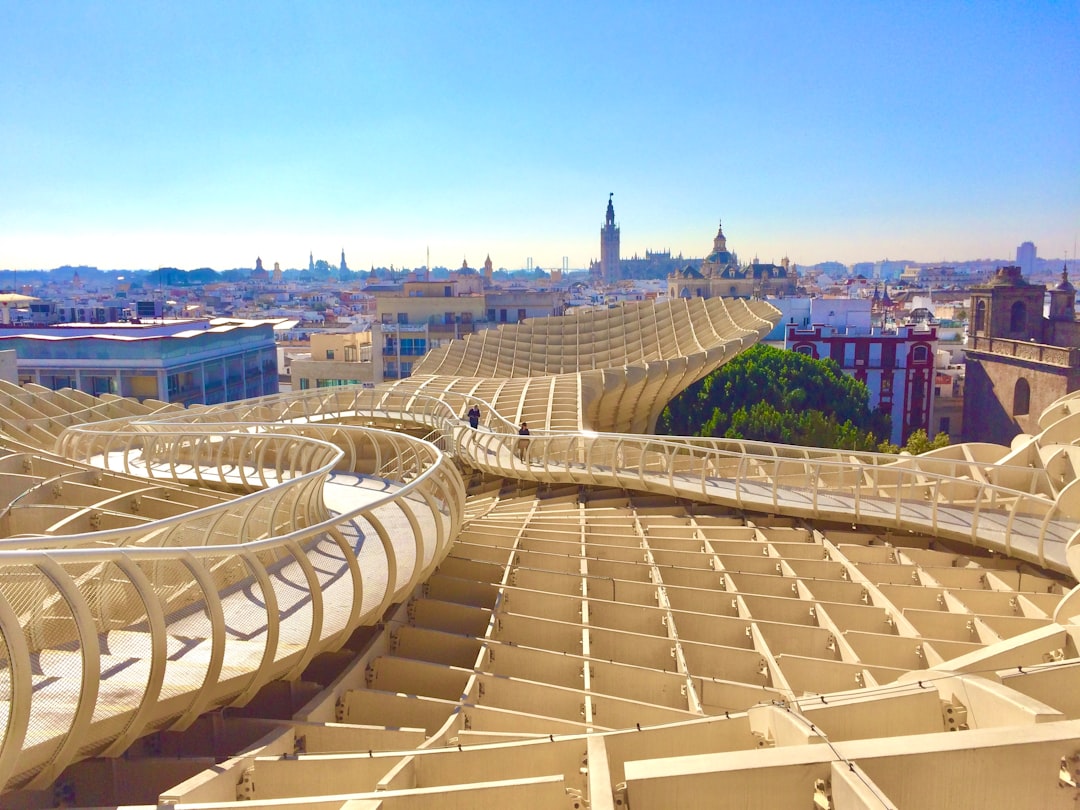

The sun, a relentless hammer in the Andalusian sky, beats down on Seville, baking the terracotta roofs and making the air shimmer above the cobblestones. This isn’t a city that whispers; it shouts, it sings, it stomps with the raw, untamed passion of a flamenco dancer. Every corner holds a story, every shadow offers a momentary reprieve, and the very air feels charged with centuries of history, a potent blend of Moorish artistry and Spanish fire.
You step into Seville, and immediately, the city demands your full attention, a sensory overload that’s both exhilarating and a little overwhelming. The scent of orange blossoms, heavy and sweet, mixes with the faint aroma of frying oil and aged ham. This isn’t a gentle introduction; it’s a full-body immersion into a culture that embraces life with an almost brutal honesty.
It’s a city of stark, beautiful contrasts, where the fierce, guttural cry of a flamenco singer can be heard just blocks from the serene, intricate beauty of an ancient Moorish palace. The Royal Alcázar, with its cool, tiled courtyards, stands as a testament to a bygone era of exquisite craftsmanship, while the city’s pulse thrums with an energy that feels utterly, vibrantly now. Seville doesn’t just exist; it lives, fiercely and unapologetically, daring you to keep up.
The Royal Alcázar’s Grandeur
The Royal Alcázar isn’t just a palace; it’s a complex, a sprawling testament to the ebb and flow of empires, a place designed to make you forget the outside world entirely, at least until you inevitably bump into another tourist wielding a selfie stick. You step through its ancient gates, and the immediate coolness of the air, a stark contrast to the street’s furnace, is a welcome shock. Your eyes struggle to absorb the sheer volume of detail: the geometric patterns carved into plaster so fine it looks like lace, the glazed tiles that shimmer with impossible blues and greens, the way light filters through arched windows, painting shifting mosaics on the stone floors. It’s an overwhelming masterclass in how to build something both imposing and impossibly delicate, all at once.
Every archway, every courtyard, every fountain within this sprawling complex whispers stories of sultans and kings, of Moorish craftsmen whose skill seems almost otherworldly, and of Christian conquerors who, despite their victories, couldn’t bring themselves to tear down such perfection. The Patio de las Doncellas, with its long, reflective pool, is straight out of a dream, even with a hundred people trying to capture its magic on their phones. You stand there, trying to imagine the quiet conversations, the rustle of silk, the gentle splash of water that once defined this space, before the relentless march of tourism descended upon its tranquil beauty.
Then there are the gardens, sprawling and utterly unmanageable in their beauty, a riot of palms and orange trees and hidden grottoes that feel like secret worlds. Fountains gurgle, peacocks strut around with an air of absolute entitlement – which, let’s be honest, they probably do possess more than any human these days. And yes, for those who keep track of such things, parts of this magnificent place were famously used as the Water Gardens of Dorne in ‘Game of Thrones,’ and it looked suitably epic on screen, but standing there, feeling the sun on your face, smelling the jasmine, is a different beast entirely. It’s also popped up in ‘The Crown,’ making it even more of a pilgrimage site for the pop culture obsessed, which, fine, whatever gets people to appreciate this kind of enduring artistry, I suppose.
The sheer scale of the place, the meticulous work that went into every square inch, it’s humbling. You could spend hours just tracing the intricate patterns on a single wall, trying to fathom the patience, the skill, the sheer human effort. It’s a place where time feels both compressed and expanded, where centuries bleed into one another in a glorious, sun-drenched haze, a profound connection to a past that still breathes within these ancient walls.
Finding Authentic Flamenco & Tapas
Forget the slick brochures and the overpriced dinner-and-a-show packages; that’s not flamenco, that’s a theme park attraction designed for easy consumption. Real flamenco isn’t something you book weeks in advance with a credit card and a polite confirmation email. It’s something you find. You wander the Triana district, or the lesser-known corners of Santa Cruz, listening for a guitar, a voice, a stomp that feels less like a performance and more like an urgent, necessary outpouring of soul. It’s raw, it’s guttural, it’s often in a tiny, unassuming room where the air is thick with anticipation and the scent of cheap wine and human emotion.
When you finally stumble into one of these places, where the chairs are mismatched and the stage is barely a raised platform, that’s when you get it. The singer’s face contorts with emotion, a vein throbbing in their neck, the guitarist’s fingers fly across the strings with a furious grace, and the dancer, all sharp angles and sudden, explosive movements, seems to pull the very soul from the earth with each heel strike. There’s no polite applause; there’s a collective gasp, a spontaneous shout of “Olé!” This isn’t entertainment in the conventional sense; it’s a primal scream, a shared experience that leaves you breathless and a little rattled, in the best possible way. It’s not about perfection or polished technique; it’s about pure, unadulterated passion.
And tapas? Oh, tapas. If you’re sitting down at a table with a white tablecloth and a waiter asking for your entire order at once, you’re doing it wrong, plain and simple. Tapas is a social ritual, a moveable feast, an excuse to graze and socialize. It’s about standing shoulder-to-shoulder at a crowded bar, shouting your order over the joyful din, pointing at platters of glistening olives, salty jamón, tiny fried fish, and whatever else catches your eye. It’s about ordering one or two things, eating them quickly, washing them down with a small beer (a caña) or a glass of sherry, and then, crucially, moving on to the next place. The joy is in the discovery, the casualness, the sheer volume of delicious small bites, each a little adventure.
Each bar has its specialty, its own unique character and flavor. One might do incredible espinacas con garbanzos, rich and earthy, another perfect tortilla with a custardy center, or perhaps the crispiest chicharrones. The conversation flows easily, strangers rub elbows in comfortable proximity, and the clatter of plates and glasses creates its own kind of music, the soundtrack of Seville. It’s not just food; it’s the beating heart of the city, a way of life, a philosophy of communal enjoyment. To truly experience Seville, you have to embrace this rhythm, this constant movement, this insistence on savoring the small, fleeting moments of pure, unadulterated pleasure.
Embrace Seville’s Charm
So, you’ve sweated under the relentless Andalusian sun, your ears are happily ringing from a flamenco dancer’s furious stomps, and your belly is contentedly full of small, glorious bites of local flavor. Seville isn’t a city that gently invites you in; it grabs you by the collar, shakes you a little, and then demands you pay attention, to truly feel it. It’s a place where history isn’t just relegated to museums; it’s etched into every sun-baked wall, every narrow alleyway, every cool, shadowed courtyard.
The passionate cries of flamenco echo in the same air that once carried the whispers of Moorish poets within the Alcázar’s cool, intricate courtyards. It’s a city of profound contrasts, of ancient stone and fiery spirit, of quiet contemplation and raucous, uninhibited celebration. You can try to plan every minute, to tick off every item on a list, but the real magic happens when you let go, when you allow yourself to get a little lost, to follow a compelling sound or an intriguing scent down an unfamiliar street.
Don’t just observe the sights; let Seville get under your skin, seep into your bones. Walk its streets aimlessly, sit in a plaza with a cheap coffee, watch the world go by with no agenda whatsoever. Find your own flamenco, your own favorite tapas bar, your own quiet corner in the Alcázar gardens where you can simply breathe it all in. This isn’t a postcard city, perfectly staged for your consumption; it’s a living, breathing entity, and it’s waiting for you to truly experience it, to participate, not just to observe. Go on, get lost in its unapologetic, scorching, utterly unforgettable charm.