
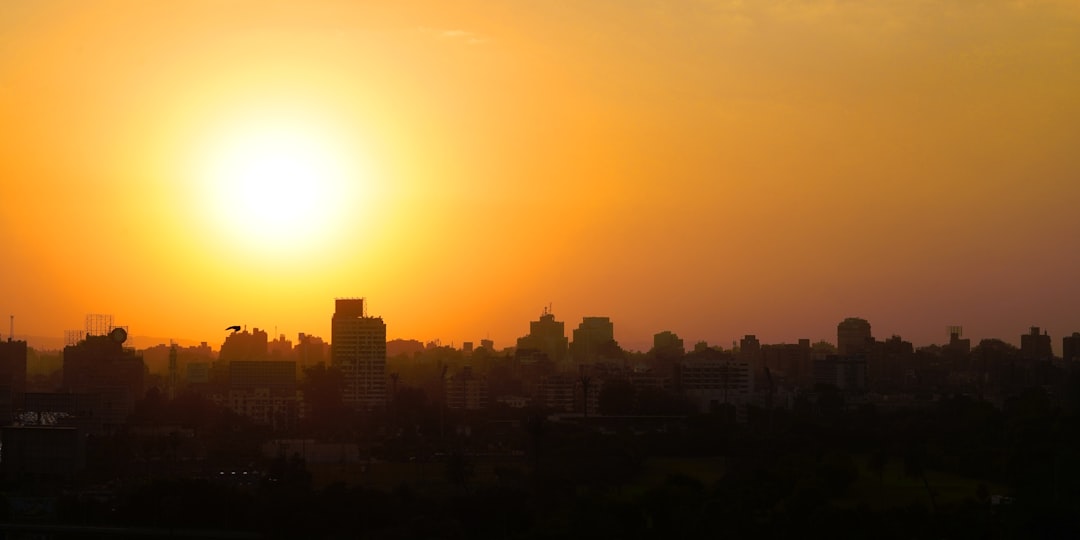

The air in Cairo hits you like a warm, spiced brick the moment you step out, a heady mix of exhaust fumes, street food, and something ancient, something that smells of dust and millennia. It’s a city that doesn’t just buzz; it hums with an almost frantic, chaotic energy, a constant, swirling eddy of humanity that somehow, miraculously, navigates its own labyrinthine logic. Right there, amidst the blare of horns and the shouts of vendors, stand monuments that have seen empires rise and fall, structures that feel less like buildings and more like geological features, a direct, unfiltered connection to a time when gods walked the earth and kings built eternity in stone.
This isn’t some sanitized theme park; this is the real deal, raw and unapologetic. You’re not just looking at history; you’re breathing it in, tasting it, feeling the grit of it under your shoes. The sheer audacity of what the ancients accomplished, the scale of their ambition, it’s not something you read in a book; it’s something that slams into you with the force of a physical blow when you’re standing in its shadow. Cairo is a gateway, a sensory overload that prepares you, or perhaps just throws you headfirst, into the profound stillness of the desert and the eternal flow of the Nile, where the true legacy of the Pharaohs isn’t just preserved, it lives.
It’s a place where the past isn’t a museum exhibit behind velvet ropes; it’s woven into the very fabric of daily life, a constant, tangible presence. You might be haggling for a scarf in a market that’s been operating for centuries, then turn a corner and find yourself face-to-face with a mosque that predates your entire continent. The contrast is jarring, exhilarating, and utterly exhausting, but it’s precisely this relentless push and pull between the ancient and the aggressively modern that makes Egypt, and Cairo in particular, an experience that burrows deep into your bones and refuses to let go.
The connection to those long-gone rulers, the ones who shaped this land and its mythology, feels almost palpable. Every dusty street, every crumbling wall, every glint of sun on an ancient stone seems to whisper stories of gods and mortals, of grand visions and unimaginable feats of engineering. You don’t just visit the land of Pharaohs here; you become a temporary, bewildered participant in its ongoing, glorious, and utterly bewildering saga.
Giza’s Grandeur
Standing at the base of the Great Pyramid of Khufu, the sheer, impossible scale of it just hits you in the gut. Forget the pictures, forget the documentaries; they don’t prepare you for the feeling of being a speck of dust next to these colossal, perfectly cut blocks of stone, each one taller than you, stacked with an precision that still baffles engineers today. The sun beats down, relentless, reflecting off the pale desert sand, making the air shimmer, and you can almost hear the ghostly echoes of whips and grunts, the collective will of an entire civilization focused on building a king’s eternal home. It’s a monument to ego, sure, but an ego so grand, so utterly uncompromising, that it transcends mere vanity and becomes something sublime.
The hawkers and camel touts are a constant, insistent chorus, a modern-day gauntlet you have to run to truly appreciate the silence and majesty of the structures themselves. They’ll try to sell you everything from cheap plastic pyramids to “authentic” papyrus, and they are persistent, damn persistent, but once you manage to tune them out, or better yet, learn the art of the polite but firm “la shukran” (no thank you), the true weight of history settles in. The Sphinx, with its enigmatic gaze, seems to watch over the entire necropolis, its chipped nose and weathered face telling tales of countless sunrises and sunsets, of desert winds carving away at its ancient stone. It’s smaller than you expect, perhaps, but no less powerful, a silent guardian against the relentless march of time.
To truly experience Giza without feeling like you’re part of a human stampede, you need to be smart. Forget the middle of the day; that’s when the tour buses disgorge their masses, and the heat is enough to melt your eyeballs. Your best bet? Get there right at opening, or even better, a couple of hours before closing. The early morning light casts long, dramatic shadows, painting the pyramids in hues of gold and ochre, and there’s a brief window of relative calm before the crowds swell. The late afternoon offers a similar reprieve, with a softer light that makes the stone glow, and the added bonus of watching the sun dip below the desert horizon, painting the sky in fiery oranges and purples, a truly unforgettable backdrop to these ancient wonders.
The sheer audacity of these structures, their perfect alignment with cardinal points, the precision of their construction, it all speaks to a level of astronomical and engineering knowledge that still feels almost alien. You can spend hours just walking around, touching the rough-hewn stone, marveling at the sheer effort involved. It’s not just a pile of rocks; it’s a statement, a declaration of power and belief that has echoed through the millennia, and to stand there, feeling the desert wind whip past, is to feel a connection to something profoundly human and utterly timeless.
Saqqara’s Secrets
If Giza is the blockbuster, the main event everyone knows, then Saqqara is the quiet, brooding indie film that offers a deeper, more nuanced understanding of the story. It’s often overlooked by the rush-in-and-out tourist hordes, which, frankly, is a godsend. Here, the crowds thin out, the touts are less aggressive, and you can actually hear yourself think, allowing for a far more contemplative and genuinely profound experience. This sprawling necropolis, far older than Giza, feels like peeling back layers of an archaeological onion, each step revealing a more ancient, more foundational aspect of Egyptian funerary architecture and belief.
The star of the show here is undoubtedly the Step Pyramid of Djoser, designed by the legendary Imhotep. It’s not as geometrically perfect as the Giza pyramids, sure, but its significance is arguably even greater. This isn’t just a tomb; it’s the first monumental stone building in history, the blueprint, the grand experiment that paved the way for everything that came after. You can see the evolution in its design, the multiple stages of construction as they figured out how to build upwards, layer by painstaking layer. It looks almost like a giant’s wedding cake, weathered and eroded, but still commanding, a stark reminder of where it all began, the very genesis of pyramid building.
But Saqqara isn’t just about the Step Pyramid. The surrounding complex is a treasure trove of lesser-known, but equally fascinating, tombs and structures. You can descend into the Mastaba of Ti, for instance, and find exquisitely preserved reliefs depicting scenes of daily life in ancient Egypt – farmers tending their fields, craftsmen at work, herdsmen guiding their cattle. The colors, protected from the harsh desert sun, are still remarkably vivid, offering a window into a world that feels incredibly intimate and real. It’s a stark contrast to the grand, often impersonal scale of Giza; here, you get a sense of the actual people, their lives, and their beliefs.
Wandering through the vast, open spaces of Saqqara, past the crumbling walls and the endless stretches of sand, you feel the weight of countless centuries settling around you. There’s a certain melancholy beauty to it, a sense of discovery that’s harder to come by at the more famous sites. You might stumble upon an unfinished excavation, or a tomb entrance that looks like it hasn’t been touched in decades. It’s a place that rewards patience and a willingness to explore beyond the obvious, offering a truly authentic glimpse into the earliest chapters of ancient Egyptian civilization, far from the madding crowds.
Conclusion: Sailing into History
Cairo and the Nile aren’t just destinations; they’re an immersion, a full-body plunge into a history so deep it makes your own sense of time feel utterly insignificant. From the jaw-dropping, almost alien scale of the Giza pyramids, which demand a certain grit to navigate the throngs, to the quieter, more profound revelations hidden in the ancient stones of Saqqara, this journey is a relentless assault on your senses and your understanding of human achievement. It’s a place where the grandeur of ancient engineering meets the chaotic energy of modern life, creating a travel experience that is anything but sterile or predictable.
But the story doesn’t end with the desert and its silent sentinels. The true heart of Egypt, the lifeblood that sustained this incredible civilization, is the Nile itself. To glide along its ancient waters, watching the palm trees sway on the banks, seeing village life unfold as it has for millennia, is to truly connect with the rhythm of this land. A Nile cruise isn’t just transportation; it’s a moving viewpoint, a chance to see temples like Luxor and Karnak rise majestically from the riverbanks, their colossal columns and intricate hieroglyphs whispering tales of pharaohs and gods under the vast Egyptian sky. It’s a slower pace, a chance to breathe, to reflect on the sheer audacity of what you’ve witnessed.
This isn’t a trip for the faint of heart or those who prefer manicured perfection. Egypt is raw, it’s loud, it’s dusty, and it will challenge you, but that’s precisely its enduring appeal. It forces you to engage, to look beyond the surface, and to appreciate the profound beauty that lies beneath the grit and the chaos. You leave with sand in your shoes, the scent of spices in your clothes, and a head full of images that will never fade – the golden glow of a pyramid at dawn, the piercing gaze of the Sphinx, the quiet majesty of a temple against the setting sun.
So, if you’re ready to trade your comfort zone for an adventure that will rattle your preconceptions and awaken something primal within you, then Egypt is calling. Pack your toughest walking shoes, your most patient demeanor, and an open mind. Go and explore this ancient land; let it show you wonders you never imagined, and let its timeless stories etch themselves into your very soul.