
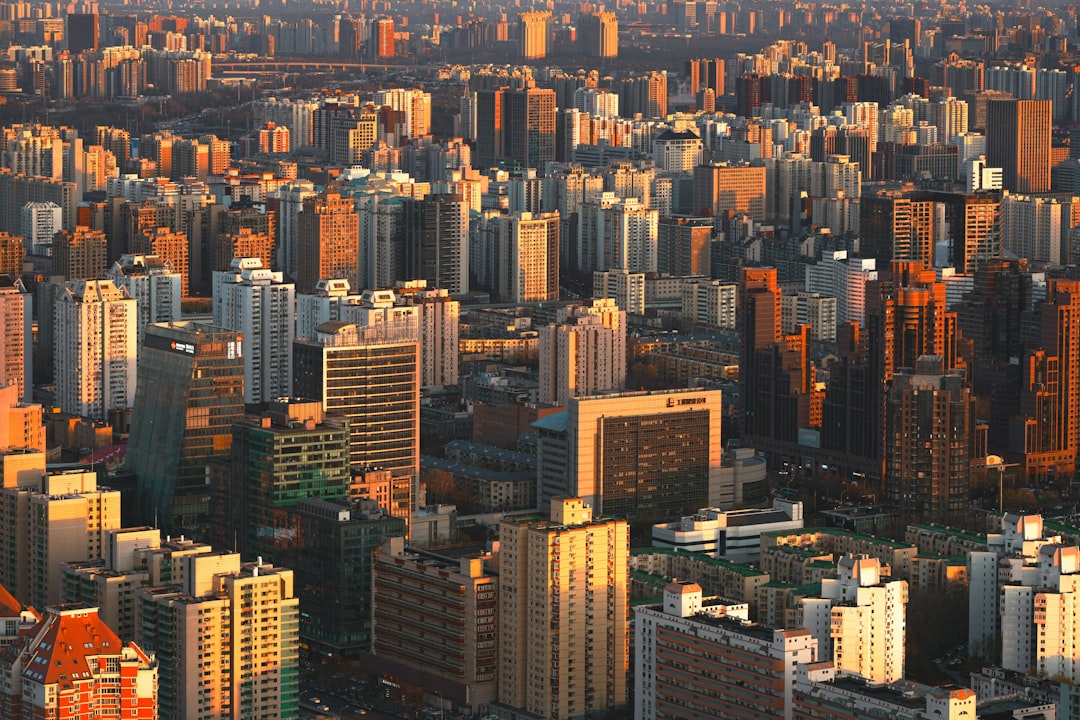

The air in Beijing hits you first, a complex cocktail of exhaust fumes, roasting sweet potatoes, and the faint, ever-present scent of damp earth and old stone, a heavy blanket that settles over the city even as the sun tries to burn through the haze. This isn’t a city that whispers its history; it shouts it from every impossibly wide avenue, from the stern faces of ancient statues, and from the relentless, towering ambition of its new glass and steel. Beijing isn’t just old; it’s endured, a titan that has weathered dynasties and revolutions, always rising, always stubbornly itself.
It’s a place where a thousand years of imperial power can feel like it happened yesterday, while tomorrow’s skyscrapers are already scraping the low clouds, a constant, jarring dialogue between the profound weight of its past and the unstoppable momentum of its future. You see a grandmother practicing tai chi in a park shaded by ginkgo trees that predate the Ming Dynasty, only to round a corner and find a shopping mall that could swallow a small town, all chrome and LED screens. This city doesn’t just embrace its contradictions; it thrives on them, a testament not to delicate beauty, but to sheer, unyielding strength, a character that demands your attention, whether you’re ready for it or not. It’s not always pretty, not in the way a European capital might be, but it possesses a raw, undeniable power that seeps into your bones, a sense of having arrived at the beating heart of something truly immense and utterly resilient.
Conquering the Great Wall
You see it first, a faint, jagged scar on the distant mountains, a line of stone snaking across the horizon, almost too vast to comprehend. Getting there often involves navigating a bus full of chattering tourists, past endless stretches of grey highway, but then, there it is, sprawling, magnificent, impossibly real. Even at the more accessible sections, where the crowds might thin your patience, the sheer scale of the Great Wall of China demands a moment of quiet awe, a silent acknowledgment of the monumental human effort it represents, an ancient defiance carved into the very landscape.
Stepping onto those worn stones, feeling the unevenness beneath your boots, is an entirely different experience than just seeing it in pictures; it’s a physical connection to a history so profound it almost hums. The climb, depending on which section you tackle, can be brutal – steps that seem designed for giants, steep inclines that burn in your calves, and the constant, exhilarating struggle upwards. But with every huff and puff, with every bead of sweat that trickles down your brow, you’re not just ascending a wall, you’re ascending through centuries, walking in the footsteps of soldiers and emperors, of builders and dreamers, a tangible link to a past that feels both impossibly distant and intimately present.
The views are your hard-earned reward, sprawling panoramas that stretch into the hazy distance, mountains rolling like waves, and the Wall itself, a stone serpent disappearing over ridges, reappearing in valleys, an endless, winding ribbon of human stubbornness. It’s here, high above the world, with the wind whipping past your ears, that you truly grasp the magnitude of the endeavor, the sheer audacity of building something so immense, so enduring, across such unforgiving terrain. It’s not just a structure; it’s a symbol of a nation’s strength, its resilience, and its unwavering determination, a silent promise etched in stone that echoes through the ages.
And that’s why you don’t just visit the Great Wall; you conquer it. You put in the effort, you earn the ache in your muscles, and in return, it gives you an experience that transcends mere sightseeing. It’s a profound connection to history, a physical challenge, and a breathtaking visual spectacle all rolled into one, leaving you with a sense of accomplishment that few other places on earth can match. It reminds you that some things are worth the sweat, worth the crowds, worth the journey, because the reward is nothing short of epic.
The Unseen Wonders of the Wall
Now, if your idea of “conquering” doesn’t involve elbowing your way through selfie sticks and dodging souvenir hawkers selling suspiciously similar trinkets, then you need to ditch the tourist-trap sections like Badaling. Sure, they’re convenient, they’re manicured, and they’ve got all the amenities, but they feel more like an outdoor museum display than an ancient wonder, sanitized for mass consumption. If you want to feel the raw, unadulterated power of the Great Wall, to truly walk on history without a thousand other footsteps echoing yours, then you need to go a little further, get a little dirtier.
Enter Simatai. This section is a different beast entirely, rugged and steep, with parts that are still in their original, unrestored state, crumbling and wild, a stark contrast to the perfectly paved sections elsewhere. Here, the challenge isn’t just about the climb; it’s about navigating uneven stones, some of them loose, some of them barely clinging to the mountainside, giving you a genuine sense of adventure. The cable car up is a good start, but once you’re on the wall itself, the crowds thin out dramatically, replaced by the sound of the wind and the occasional distant birdcall, allowing for a far more intimate and profound experience.
Then there’s Jinshanling, often considered the photographer’s favorite, and for good reason. It offers the classic, iconic views of the Wall snaking endlessly over rolling hills, punctuated by numerous well-preserved watchtowers, each one a silent sentinel against the passage of time. What makes Jinshanling truly special is its relative solitude; you can walk for hours, traversing various terrains from gentle slopes to steep climbs, often encountering only a handful of other intrepid souls. This section provides an unparalleled sense of scale and majesty, allowing you to immerse yourself fully in the grandeur without the constant distraction of a throng.
The real magic happens when you combine these two, hiking the several kilometers between Jinshanling and Simatai. This is where you truly earn your bragging rights. It’s a challenging trek, demanding sturdy shoes and a good level of fitness, but the reward is immense: a continuous, uninterrupted experience of the Wall in all its varied glory, from restored sections to wild, crumbling ruins. You’ll pass through watchtowers that feel like forgotten outposts, with views that stretch forever, a profound sense of isolation and wonder. This isn’t just seeing the Wall; it’s experiencing it, feeling its ancient pulse beneath your feet, far from the madding crowds, in a way that truly honors its enduring spirit.
Embrace Beijing’s Grandeur
Beijing, ultimately, isn’t a city you simply visit; it’s a force you contend with, an experience that demands your full attention and rewards those willing to look beyond the obvious. It’s a place where the grandeur of ancient empires collides head-on with the relentless march of modernity, creating a dynamic, sometimes overwhelming, but always utterly fascinating urban landscape. The sheer weight of its history, from the Forbidden City’s stoic walls to the sprawling expanse of Tiananmen Square, is palpable, yet it never feels stuck in the past; it’s a city constantly reinventing itself, a living, breathing testament to endurance.
Just like the Great Wall, Beijing offers its true treasures to those who seek them out, who are willing to put in the effort to explore beyond the polished facades and the well-trodden paths. Don’t just tick off the famous landmarks; dive into the labyrinthine hutongs, those ancient alleyways where life unfolds in a rhythm unchanged for centuries, where the scent of simmering noodles mixes with the clang of a blacksmith’s hammer. Eat street food from vendors whose recipes are older than your great-grandparents, get deliberately lost in a neighborhood market, and let the city’s raw, authentic energy wash over you.
This city isn’t always gentle, and it certainly isn’t always easy, but it possesses an undeniable power, a timeless spirit that resonates deep within. It’s a place that will challenge your perceptions, broaden your horizons, and leave an indelible mark on your soul. So, go beyond the wall, beyond the obvious, and let Beijing reveal its true self to you. Embrace its contradictions, its history, its relentless forward momentum, and you’ll discover a city that is not just grand, but profoundly, uniquely alive, a true heart of an ancient civilization beating with a modern pulse.