
The humid air of Manila hits you like a physical wall the moment you step out of the airport, a thick, sweet-and-sour cocktail of exhaust fumes, frying street food, and something vaguely floral trying desperately to assert itself. Horns blare a constant, chaotic symphony, motorbikes weave through gridlocked cars with unnerving precision, and the sheer press of humanity, moving, shouting, selling, buying, is an immediate, inescapable sensory overload. It’s a city that grabs you by the collar, shakes you hard, and demands your attention, a concrete jungle throbbing with an energy that’s both exhilarating and utterly exhausting.
After a few days of navigating its relentless pace, dodging jeepneys, and sweating through every shirt you own while exploring the ancient walls of Intramuros or the sprawling malls, a different kind of longing starts to set in. A deep, primal yearning for space, for quiet, for air that doesn’t taste of carbon monoxide and ambition. That’s when the dream of Palawan, whispered about in travel forums and splashed across glossy magazine pages, becomes less a fantasy and more a desperate, necessary escape.
The contrast isn’t just stark; it’s a complete recalibration of your entire being. From the urban pulse, the frantic rhythm of millions chasing something, to the serene, almost meditative lull of an island paradise where the only pressing decision is which shade of blue you want to swim in. Palawan, specifically its northern reaches around El Nido, promises that ultimate reward: a world-renowned landscape of towering limestone cliffs, secret lagoons, and water so clear it looks like glass, a place where the only traffic jam is a school of iridescent fish.
El Nido – Palawan’s Crown Jewel
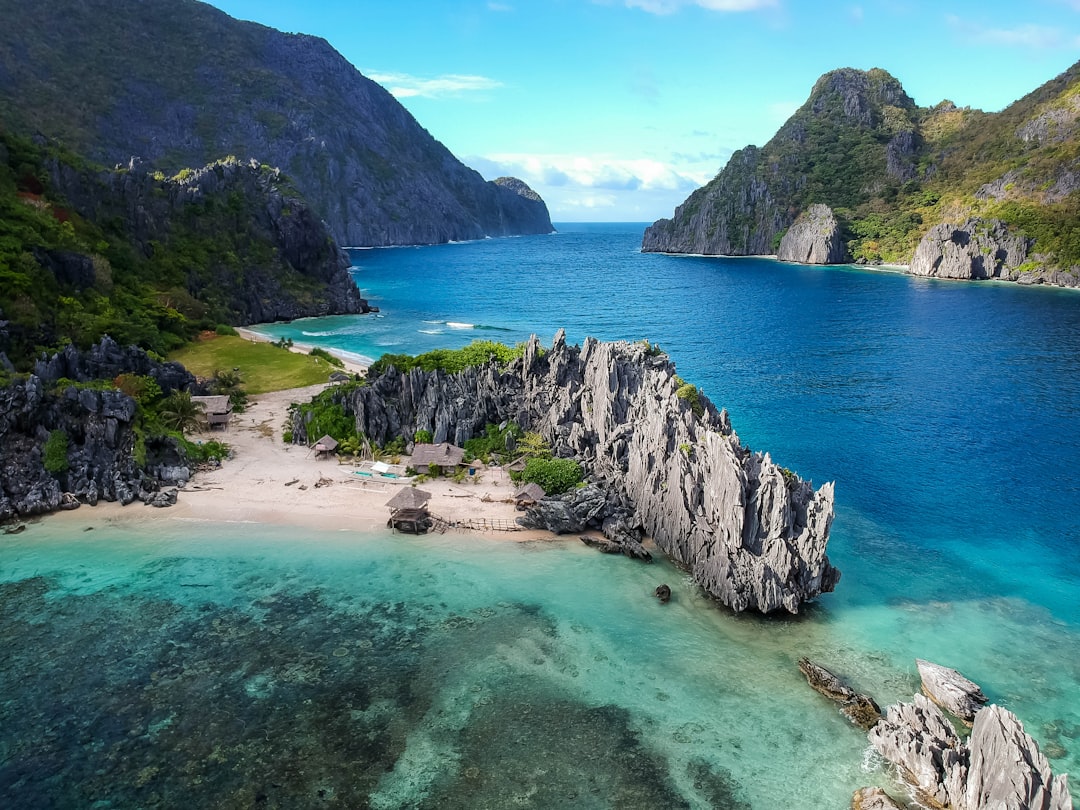
Stepping off the small plane in El Nido, or enduring the long, bumpy van ride from Puerto Princesa, the first thing that hits you is the air – clean, salty, carrying the scent of distant jungle and wet rock. Then you see them: the colossal, dark grey karsts erupting from the turquoise sea, jagged teeth against a sky that’s almost always an impossible shade of blue. It’s a view that smacks you in the face with its grandeur, making all the travel hassles melt away like ice in the tropical sun. The town itself, a jumble of guesthouses, dive shops, and beachfront eateries, is a launchpad, a necessary pit stop before the real magic begins out on the water.
Island hopping is the name of the game here, and despite the throngs of tourists all doing the same thing, the sheer scale of the Bacuit Archipelago means you can still find moments of breathtaking solitude. You climb aboard a traditional bangka boat, its outriggers skimming the waves, the engine a steady hum as you zip past endless formations of ancient rock. The boatmen, with their sun-weathered faces and easy smiles, know these waters like the back of their hands, navigating through narrow channels and around hidden coves with practiced ease, pointing out the best spots to jump in.
The lagoons are what everyone comes for, and they deliver. Big Lagoon, with its narrow entrance requiring you to paddle a kayak through a sliver in the rock, opens up into a vast, placid pool surrounded by impossibly high cliffs, the water a milky emerald green, reflecting the jungle foliage above. Small Lagoon, even more intimate, feels like entering a lost world, the silence broken only by the drip of water from limestone overhangs and the gentle splash of paddles. Snorkeling in these waters is like diving into an aquarium; parrotfish graze on coral, clownfish dart through anemones, and schools of silver fish shimmer in the shafts of sunlight that penetrate the depths. The coral might not be pristine everywhere, a casualty of popularity and past practices, but there’s still plenty of life, bursts of purple and orange against the sandy bottom.
Then there are the beaches. Seven Commandos Beach, named for a local legend, offers powdery white sand and coconut trees swaying in the breeze, perfect for a post-snorkel nap or a fresh coconut straight from the husk. Secret Beach, accessible only by swimming through a small hole in a rock face at low tide, feels like a private sanctuary, a natural amphitheater of sand and sea walled off from the world. Even with other boats anchored nearby, the feeling of immersion, of being dwarfed by these geological wonders, is profound. It’s raw, untamed beauty, a place where you can truly understand the meaning of “paradise,” even if you have to share it with a few dozen other people.
Beyond the Mainstream – Discovering Palawan’s Quiet Charms
El Nido, for all its undeniable beauty, can feel a bit like a well-oiled machine, churning out island tours and sunset cocktails with efficient precision. It’s fantastic for the first-timer, an essential tick on the bucket list, but for those of us who prefer a bit more grit, a slower pace, and fewer selfie sticks, Palawan has other, quieter corners that beckon. You have to work a little harder to find them, but the reward is a slice of the Philippines that feels less curated, more authentically lived-in.
Take Port Barton, for instance. A few hours south of El Nido (or Puerto Princesa, depending on your approach), it’s a sleepy coastal village that still feels like a backpacker haven from twenty years ago. The roads are mostly dirt, the power is intermittent, and the “main street” is a sandy path lined with simple guesthouses and a handful of local eateries. There are no fancy resorts, no buzzing nightlife, just the sound of waves, crickets, and the occasional rooster. It’s a place where you arrive, kick off your shoes, and immediately feel the tension drain from your shoulders, replaced by a profound sense of calm.
The island hopping here is a gentler affair. Instead of competing with dozens of other boats, you might find yourself on a bangka with just a few other travelers, or even solo if you’re lucky. The islands and reefs around Port Barton might not have the dramatic, towering karsts of El Nido, but they offer their own understated charm: clear, shallow waters perfect for easy snorkeling, deserted beaches where you can truly be the only footprints in the sand, and sea turtles that glide gracefully through the coral gardens, unfazed by your presence. You can spend an entire afternoon floating above a vibrant reef, watching clownfish dance, and then retreat to a deserted stretch of sand for a simple, grilled fish lunch prepared by your boatman.
It’s the kind of place where you lose track of time, where the biggest decision of the day is whether to read your book in a hammock or go for another swim. You can rent a motorbike and explore nearby waterfalls, or simply sit on the beach with a cold beer, watching the local kids play football as the sun dips below the horizon in a riot of orange and purple. The food is simple, fresh, and incredibly cheap – think grilled squid, coconut curries, and mountains of rice. Here, you’re not just a tourist; you’re a temporary resident, welcomed into the rhythm of village life, where genuine smiles are plentiful and the pace of existence is dictated by the tides and the sun. It’s the perfect antidote to the mild overstimulation of El Nido, a chance to truly unplug and reconnect with the simple pleasures of island living.
Planning Your Philippine Paradise Adventure
The journey from the choking exhaust and relentless pace of Manila to the crystalline waters and silent shores of Palawan is more than just a change of scenery; it’s a profound shift in perspective. It’s shedding the urban skin, layer by layer, as the concrete jungle gives way to limestone giants, and the cacophony of city life is replaced by the gentle lapping of waves against white sand. You start in a place that demands you be constantly alert, and you end up in a place that demands you simply *be*, to breathe, to marvel.
Palawan itself, from the iconic, postcard-perfect lagoons of El Nido to the languid, unassuming charm of places like Port Barton, offers a spectrum of natural beauty that’s genuinely hard to beat. The sheer scale of the cliffs, the impossible clarity of the water, the vibrant life beneath the surface – it’s all there, waiting to be explored. And woven through all of it is the warmth of the Filipino people, their easy laughter, their incredible hospitality, making every encounter, from haggling for a tricycle ride to sharing a meal, a genuine pleasure. They are, without a doubt, one of the friendliest nations on Earth.
So, how do you make this dream a reality? Start by booking your flights into Manila, then snag a domestic flight to either Puerto Princesa (PPS) or directly to El Nido (ENI). From Puerto Princesa, vans are plentiful for the 5-6 hour journey north to El Nido or the 3-4 hour journey to Port Barton. For El Nido, especially during peak season, book your accommodation and island hopping tours in advance; the good spots fill up fast. For Port Barton, you can often just show up and find a guesthouse, embracing the spontaneous nature of the place. Pack light, bring plenty of sunscreen, a good hat, and a reusable water bottle. Cash is king in many of the smaller towns, so always have some pesos on hand.
Don’t just stare at the pretty pictures on your screen, dreaming of that escape. The world is out there, wild and wonderful, ready to mess up your hair and fill your lungs with salty air. Go get lost in the lagoons, feel the sand between your toes, and let the sheer, unadulterated beauty of the Philippine islands wash away whatever city grime you’ve accumulated. It’s an adventure that promises to recalibrate your soul, and frankly, you owe it to yourself.