

Intro: Your Ultimate Greek Island Escape
The sun, a relentless painter, scorches the whitewashed walls, the air thick with the scent of salt, oregano, and something grilling, probably lamb or fresh fish. This isn’t just a vacation; it’s an immersion, a full-body plunge into a different rhythm, a different way of seeing the world. Forget the curated cruise ship experience or the all-inclusive resort where you never leave the pool deck; island hopping in Greece is about the wind in your hair on a ferry, the unexpected detour down a donkey path, the taste of olive oil so pure it makes your eyes water. It’s about finding those moments that stick with you long after the tan fades.
You crave beaches that shimmer like scattered diamonds, food so honest and flavorful it redefines “eating,” and views that steal your breath with their sheer, unadulterated drama. The Cyclades deliver, and a route hitting Mykonos, Naxos, and Milos offers a masterclass in diversity. Each island is its own universe, distinct in character, yet seamlessly connected by a ferry system that, for all its occasional charming chaos, gets the job done. It’s a network of blue and white vessels, from the sleek, roaring high-speeds to the lumbering car ferries, all plying the same ancient waters.
This isn’t a trip for the faint of heart, or for those who demand pristine predictability. It’s for the adventurous, the curious, the ones who understand that the best stories come from a little grit and a lot of spontaneity. The beauty of this specific trio is that you get the party, the tradition, and the otherworldly, all within a few hours’ journey of each other. It’s a condensed education in what makes the Greek islands so endlessly captivating, a sampler platter designed to leave you hungry for more.
A crucial piece of street-smart advice, etched into my memory from too many encounters with selfie-stick wielding hordes: timing is everything. To truly savor these islands, to find a sliver of authenticity amidst the tourism machine, aim for June or late August. You’ll sidestep the suffocating mid-July and early-August crowds, the inflated prices, and the general feeling of being herded like sheep. The weather is still glorious, the water warm, but the elbow room is infinitely more generous, allowing you to actually experience the place, not just witness it through a sea of outstretched arms.
Mykonos: The Vibrant Starting Point
The first sight of Mykonos from the ferry is a punch to the senses: a blinding white labyrinth spilling down hillsides, crowned by those iconic windmills, the Aegean a shocking sapphire blue. It’s a jolt, an immediate immersion into an island that doesn’t just embrace its reputation for energy; it practically invented it. This isn’t a place for quiet contemplation, at least not initially. It’s a dynamic introduction, a high-octane welcome that sets the pulse racing and reminds you you’ve truly arrived somewhere special, somewhere that knows how to live out loud.
Sure, Mykonos has earned its stripes as the party capital, and if you’re looking for world-class DJs, beach clubs that throb until dawn, and cocktails that cost more than your ferry ticket, you’ll find them in spades. Paradise Beach and Super Paradise Beach are practically institutions, churning out beats and good times with relentless efficiency. But to dismiss Mykonos as just a party island is to miss the point entirely. The sheer audacity of its beauty, the way the light hits the whitewashed walls, the intricate dance of shadows in the narrow alleys – it’s captivating, even if you’re just there for the spectacle.
Beyond the relentless thump of the bass, there are moments of unexpected charm, particularly in Mykonos Town, or Chora. Get lost in the maze of cobbled streets, deliberately designed to confuse pirates centuries ago, and now equally effective at disorienting tourists. You’ll stumble upon tiny chapels, boutique shops selling ridiculously expensive linen, and art galleries tucked into unexpected corners. Little Venice, with its colorful balconies overhanging the sea, is undeniably picturesque, even if you have to elbow your way through a dozen Instagrammers to get a decent view. The wind, a constant companion, whips through the town, a refreshing reminder of the island’s wilder, untamed side.
Dining here is an exercise in choice, from high-end gastronomic experiences to surprisingly decent gyros stands that operate well past midnight. You’ll pay a premium, no doubt, but the quality of the seafood, the freshness of the salads, and the sheer joy of eating al fresco under a canopy of stars are undeniable. Mykonos is about embracing the excess, the glamour, the sheer, unadulterated fun of it all. It’s a fantastic place to blow off some steam, to dance until your feet ache, and to soak up an atmosphere that’s undeniably infectious, before moving on to something a little more grounded.
Naxos: A Blend of Tradition and Natural Beauty
Stepping off the ferry onto Naxos feels like exhaling a breath you didn’t realize you were holding. The air is different, less charged with the buzz of expectation, more infused with the scent of fertile earth and the distant bleating of goats. The Portara, the massive marble gate standing sentinel on Palatia islet, hints at an ancient grandeur, but the Chora itself, while charming, lacks the frantic, polished perfection of Mykonos. This is a working island, the largest of the Cyclades, and its rhythm is slower, deeper, rooted in agriculture and a genuine sense of community.
Naxos is where you come to remember that Greek islands aren’t just about pretty beaches and parties; they’re about substance. The interior is a revelation, a mountainous spine crisscrossed with hiking trails that lead to forgotten villages, Byzantine churches, and olive groves that have stood for centuries. Head inland to Halki, with its Kitron distillery, or Apiranthos, the “marble village,” where time feels like it’s slowed to a crawl. You’ll see old men sipping coffee in kafenions, women hanging laundry from stone balconies, and donkeys still used for transport. The food here is a celebration of the land: potatoes so famous they have their own festival, cheeses that rival anything from France, and honey that tastes of wild thyme.
The natural beauty extends beyond the rugged mountains. Naxos boasts some of the longest and most beautiful sandy beaches in the Cyclades, often less crowded than their Mykonian counterparts. Plaka Beach, Agia Anna, Agios Prokopios – they offer stretches of golden sand and clear, shallow waters perfect for swimming and unwinding. You can rent a sunbed and umbrella, or simply throw down a towel and enjoy the space. The wind, still present, makes it a haven for windsurfers and kitesurfers, adding a dynamic splash of color to the horizon without overwhelming the tranquility.
This island also holds a strong appeal for families, not just because of the calmer beaches, but because of its overall relaxed atmosphere and more reasonable prices. There’s a sense of safety and welcome that permeates Naxos. Kids can run freely, the tavernas are genuinely family-friendly, and there are opportunities for horseback riding, exploring ancient ruins like the Temple of Demeter, or simply enjoying the simple pleasure of a gelato by the harbor. Naxos offers a genuine taste of Greek island life, unvarnished and utterly captivating, a perfect antidote to Mykonos’s high-octane energy.
Milos: Unveiling Unique Landscapes
Milos hits you differently. As the ferry approaches, the landscape shifts from the familiar whitewash and blue to something altogether more primordial, more dramatic, almost lunar. This isn’t your postcard-perfect Greek island; it’s a geological marvel, a volcanic canvas sculpted by wind and sea into formations that defy belief. The very earth here tells a story of fire and water, of ancient eruptions and relentless erosion, creating a visual spectacle unlike anywhere else in the Cyclades. It’s raw, untamed beauty, and it demands your full attention.
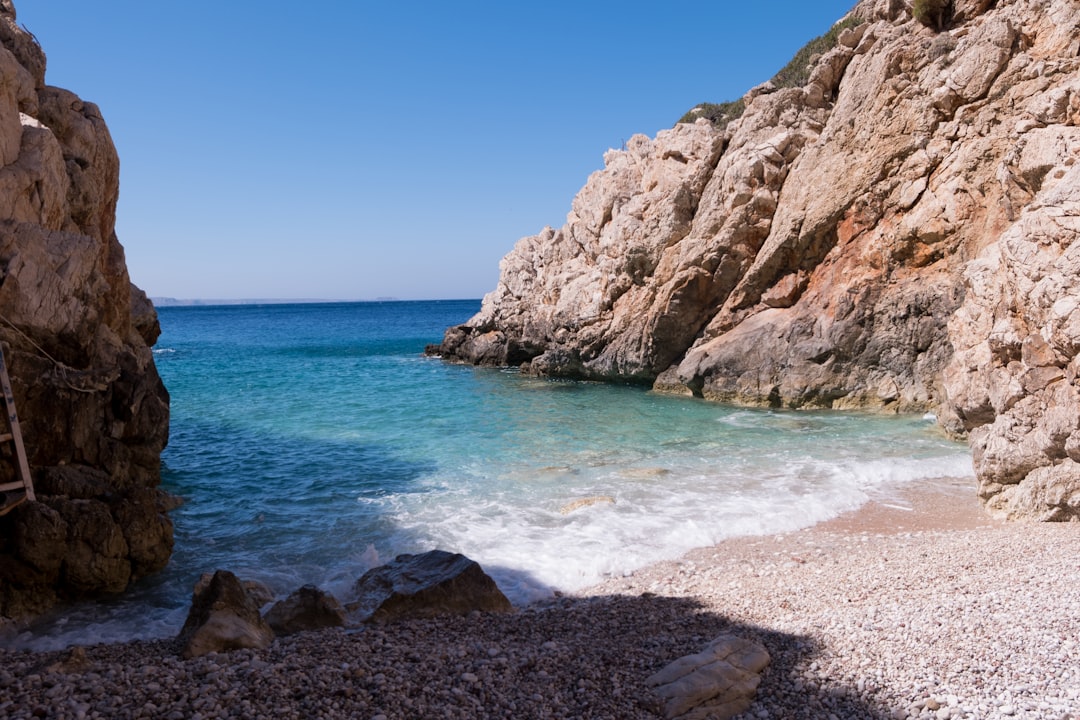
The star of the show, without question, is Sarakiniko. Imagine a moonscape where brilliant white volcanic rock has been carved into smooth, undulating shapes, resembling petrified waves or abstract sculptures. There’s no sand, just blinding white rock that plunges into startlingly turquoise water. You can spend hours climbing, exploring the small caves, and simply marveling at the sheer artistry of nature. Then there’s Kleftiko, reachable only by boat, a pirate’s lair of towering white cliffs, sea caves, and impossibly clear emerald waters. A boat tour around Milos is non-negotiable; it’s the only way to truly appreciate the island’s dramatic coastline, discovering hidden coves and swimming in waters so transparent you can see every pebble on the seafloor.
Beyond these iconic spots, Milos continues to surprise. The colorful fishing villages, or syrmata, like Klima and Mandrakia, are a photographer’s dream. These unique settlements feature boat garages built into the rock, with brightly painted doors that open directly onto the water, often topped by small living quarters. They feel utterly authentic, a glimpse into a way of life that has resisted the homogenizing forces of mass tourism. The capital, Plaka, perched high above the sea, offers stunning sunset views and a more traditional Cycladic experience, with narrow alleys and charming tavernas, but even here, the underlying volcanic rock gives it a distinct character.
Milos also possesses an undeniable romantic appeal, not in a cheesy, commercialized way, but in a quiet, profound sense. The dramatic sunsets over the caldera, the secluded beaches perfect for two, the feeling of discovering something truly unique and unspoiled – it all conspires to create an intimate atmosphere. Whether you’re exploring the ancient theatre, marveling at the catacombs, or simply sharing a meal at a waterfront taverna in Pollonia, there’s a sense of shared wonder. It’s an island that encourages connection, both with your travel companion and with the awe-inspiring natural world around you, leaving an indelible mark on your memory.
Conclusion: Navigating Your Island Journey
This Greek island hopping adventure, weaving through Mykonos, Naxos, and Milos, offers a comprehensive education in the diverse personalities of the Cyclades. You start with Mykonos, a jolt of high-energy glamour and undeniable beauty, a whirlwind of white architecture and pulsing nightlife that sets the tone for adventure. Then comes Naxos, a grounding force, offering traditional charm, agricultural richness, and vast stretches of natural beauty, a place to breathe and connect with the authentic heart of island life. Finally, Milos unveils its otherworldly landscapes, a dramatic, volcanic wonderland that redefines expectations of what a Greek island can be, offering a truly unique and often breathtaking experience.
Navigating the ferry system connecting these distinct worlds is part of the adventure, not just a means to an end. Booking your ferry tickets in advance, especially during June or late August, is a non-negotiable. Websites like Ferryhopper make it straightforward, allowing you to choose between the faster, pricier high-speed catamarans or the slower, more economical conventional ferries. Be prepared for potential delays; the Aegean Sea, while beautiful, is a powerful force, and schedules can shift due to weather or operational quirks. Embrace the journey, the salty air, the ever-changing horizon, and the occasional controlled chaos of disembarking, because it’s all part of the authentic Greek experience.
To truly savor this trio of islands, to avoid the soul-crushing crush of humanity and the exorbitant prices that come with peak season, adhere to the golden rule: travel in June or late August. You’ll find the weather divine, the water warm enough for endless swimming, and a palpable sense of ease that evaporates when the mid-summer crowds descend. The tavernas will be less frantic, the beaches more serene, and the locals more inclined to share a genuine smile and a conversation. It’s the difference between merely seeing a place and truly experiencing it, feeling its pulse, and understanding its rhythm.
This journey isn’t just about ticking off destinations; it’s about the contrasts, the transitions, the way each island builds upon the last, offering a new facet of Greek charm and wonder. From Mykonos’s dazzling energy to Naxos’s earthy traditions and Milos’s alien beauty, you’re not just visiting islands; you’re collecting stories, accumulating memories of sun-drenched days, salt-kissed skin, and flavors that linger long after the last bite. This is how you do the Greek islands, with curiosity, a sense of adventure, and a willingness to let the Aegean guide your way.