
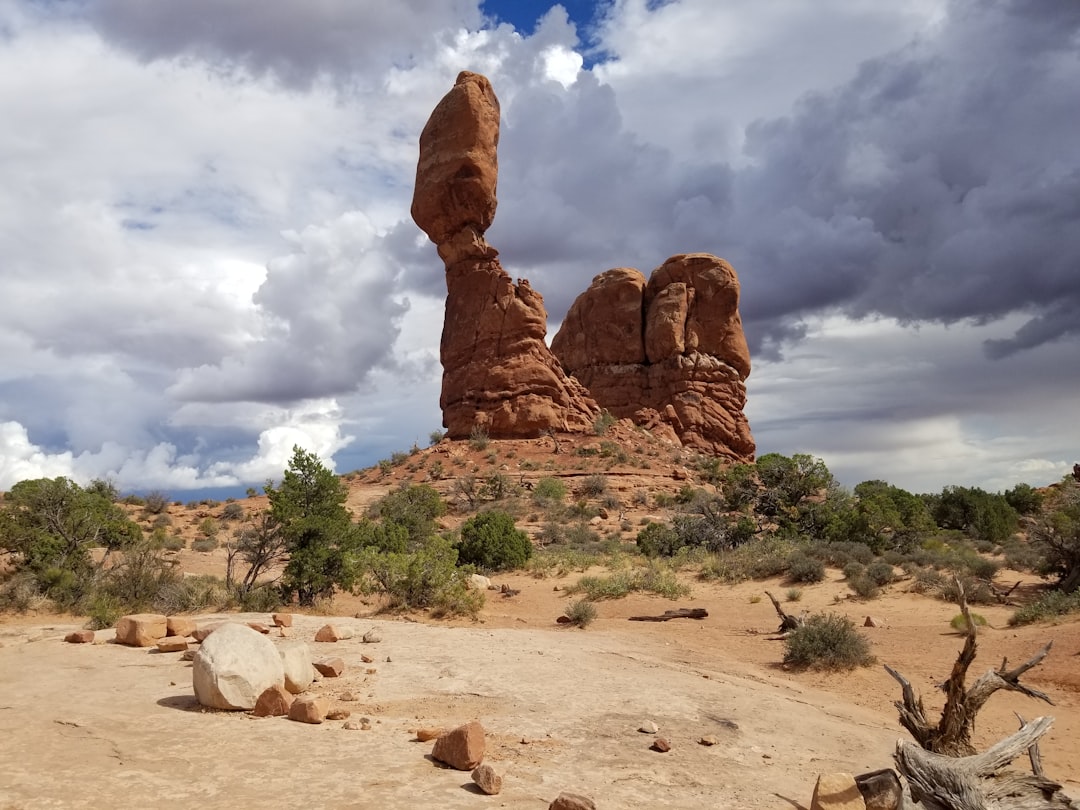

The first breath of Utah air hits different, carrying the dry scent of sun-baked earth and distant pine, a raw, untamed invitation that prickles the back of your neck. This isn’t just scenery you’re driving through; it’s an alien landscape carved by geological eons, a place where the planet decided to show off its most spectacular, flame-colored wardrobe. You think you’ve seen canyons? You think you understand “red rock”? Utah’s Mighty 5 national parks will grab your preconceived notions, twist them into impossible shapes, and then leave them scattered like so many sandstone pebbles at the base of a mile-high cliff.
Forget the postcards, forget the Instagram filters—nothing truly prepares you for the sheer, unapologetic grandeur of this place. The rock formations here aren’t just big; they’re monumental, painted in every shade of ochre, rust, and burnt sienna, shifting with the sun’s trajectory from soft pastels at dawn to fiery infernos at dusk. It’s a road trip designed to make you feel both utterly insignificant and profoundly connected, a journey through a world that feels both ancient and perpetually new.
The concept of the “Mighty 5” often gets bandied about like a checklist, a series of boxes to tick off before you can claim to have “done” Utah. But that’s missing the point entirely. These parks, Zion, Bryce, Capitol Reef, Canyonlands, and Arches, aren’t just individual attractions; they’re chapters in an epic saga of erosion and resilience, each with its own distinct personality, its own way of utterly dwarfing the human experience. They demand more than a drive-by glance; they demand your full attention, your willingness to hike, to sweat, to get a little dust in your boots and a lot of wonder in your soul.
This isn’t a trip for the faint of heart or the perpetually sanitized. This is for those who crave the grit, the scale, the raw, unadulterated power of nature. It’s about feeling the sun beat down on your shoulders as you crane your neck to stare up at sheer rock walls, about the quiet awe that settles over you as you witness formations sculpted by wind and water over millions of years. This is your chance to conquer the red rock wonders, to truly understand why Utah holds a special, almost sacred, place in the heart of anyone who’s ever stood humbled before its majesty.
Gaze at Bryce Canyon’s Hoodoos
Stepping to the rim of Bryce Canyon for the first time is less like looking at a landscape and more like staring into the mind of a deranged, celestial architect who decided to sculpt an entire city out of orange and white clay. It’s an amphitheater, yes, but one filled not with seats, but with an impossible army of spire-shaped hoodoos, thousands upon thousands of them, standing shoulder to shoulder in silent, petrified formation. Each one is a geological finger pointing skyward, a unique, delicate column of rock that defies gravity and logic.
The sheer density of these hoodoos is what truly sets Bryce apart. They aren’t just scattered; they fill the canyon floor like an otherworldly forest, each one a distinct sculpture, some slender and elegant, others squat and bulbous, all of them intricately layered with bands of red, orange, pink, and cream. You can spend hours just tracing the lines, imagining the forces that carved them, the ancient lakes and rivers that laid down the sediment, the frost-wedging and chemical weathering that slowly, painstakingly, chiseled these fragile monuments into being.
As the sun arcs across the sky, the canyon becomes a living canvas, the colors deepening and shifting with every passing hour. Sunrise paints the hoodoos in soft, ethereal pastels, giving them a ghostly glow that makes them feel impossibly delicate. Midday brings out their fiery reds and oranges, sharp and brilliant under the direct light. But it’s at sunset, when the low-angle light casts long, dramatic shadows and bathes the entire amphitheater in a deep, burning crimson, that Bryce truly reveals its most breathtaking, almost spiritual, visual wonder. The depth, the texture, the sheer volume of these formations create an optical illusion that makes your brain struggle to process the scale.
Descending into the canyon on trails like the Navajo Loop or Queen’s Garden Trail transforms the experience from an overlook spectacle into an immersive journey. Suddenly, you’re not just observing the hoodoos; you’re among them, walking through narrow passages between towering spires that feel like ancient sentinels. The air cools, the sounds of the rim fade, and you’re enveloped in a silent, orange world, a labyrinth of rock that feels both grand and surprisingly intimate. It’s a place that forces you to slow down, to look up, to truly appreciate the painstaking artistry of nature, one fragile, spire-shaped rock at a time.
Discover Goblin Valley’s Playground
After the overwhelming, almost reverent grandeur of Bryce, you might feel a strange craving for something a little… weirder. Something less formal, less about epic vistas and more about pure, unadulterated exploration. That’s where Goblin Valley State Park rolls into view, a detour that feels less like a state park and more like stumbling onto a forgotten playground on an alien planet. There are no grand canyons or towering cliffs here, just a vast, undulating plain dotted with thousands of squat, mushroom-shaped rock formations that look exactly like what they’re named after: goblins.
This isn’t a place for marked trails and strict adherence to the path. Goblin Valley is about pure, unscripted wandering. You park your car, step out into the vast, sandy bowl, and suddenly you’re free to roam, to pick your own path through the maze of bulbous, top-heavy figures. Some are tiny, barely knee-high, while others loom overhead, their eroded caps balancing precariously on slender necks. They’re not the elegant spires of Bryce; these are the goofy, whimsical cousins, sculpted by different forces, creating a landscape that’s surprisingly playful and utterly unique.
The beauty of Goblin Valley lies in its unpretentious charm and the sheer freedom it offers. You can climb on some of the sturdier “goblins,” duck into shallow caves, or just sit and watch the light play across their lumpy, pockmarked surfaces. It’s a fantastic spot if you’re traveling with kids, or if you’re just an adult who hasn’t forgotten the joy of unstructured play. Unlike the often-crowded main attractions of the big national parks, Goblin Valley typically offers a much more relaxed, less-congested experience, allowing you to truly get lost in its peculiar magic without bumping elbows with a hundred other tourists.
The geology here is fascinating in its own right, a testament to differential erosion where harder capstones protected the softer sandstone beneath, creating these bizarre, bulbous shapes. But honestly, you don’t need a geology degree to appreciate it. You just need a sense of wonder and a willingness to embrace the delightfully strange. It’s a place that sparks the imagination, making you feel like you’ve landed on Mars or stepped into a Dr. Seuss book, a truly memorable stop that breaks up the endless parade of “majestic” and offers a dose of pure, unadulterated fun.
Navigating the Crowds & Trailheads
Let’s be brutally honest: Utah’s Mighty 5 are popular for a reason, and that reason means crowds. Especially at Zion and Bryce, you’re not going to be alone with nature unless you’re truly dedicated. Zion, in particular, with its mandatory shuttle system for much of the year, can feel less like a wilderness experience and more like a theme park queue if you don’t plan meticulously. Parking lots fill before dawn, shuttle lines stretch for what feels like miles, and popular trailheads are choked with hikers by mid-morning. It’s a pain point, a real one, and ignoring it will only lead to frustration.
The single most important piece of advice for conquering the crowds is painfully simple: get up before the sun. Seriously. If you want a semblance of solitude on iconic trails like Angel’s Landing (if you manage to snag a permit) or the Emerald Pools, you need to be on the very first shuttle of the day, or, if driving is allowed, parked and hiking while the stars are still fading. The reward for that early alarm clock is palpable: the cool morning air, the soft, golden light hitting the canyon walls, and the quiet, almost sacred feeling of having these incredible places largely to yourself, if only for an hour or two.
Beyond the early start, strategic planning is key. Research shuttle schedules, understand parking alternatives, and don’t be afraid to consider less-hyped trails. Sometimes, the best experiences are found on the paths slightly off the main circuit, where the views are still spectacular but the foot traffic significantly lighter. Pack plenty of water, snacks, and patience, because even with the best planning, you’re going to encounter people. It’s just part of the deal when you’re visiting some of the most stunning natural wonders on the planet.
As you traverse the landscape between these monumental parks, consider a stop like the Timber Creek Overlook Trail in Kolob Canyons, the less-visited northwest section of Zion National Park. This isn’t a strenuous hike; it’s a relatively easy, mile-long out-and-back path that offers sweeping views of the Kolob Canyons. It’s a fantastic spot to stretch your legs, take in a different perspective of Zion’s iconic red rock formations without the chaos of the main canyon, and often, you’ll find far fewer people here. It’s a worthwhile stop that reminds you there’s more to these parks than just the most photographed spots, a chance to breathe and appreciate the vastness without feeling like you’re in a queue.
Your Unforgettable Utah Adventure Awaits
So you’ve stared into the impossible depths of Bryce, a city of petrified spires painted in every shade of desert fire. You’ve wandered through the whimsical, alien playground of Goblin Valley, feeling like an astronaut on a joyride. You’ve navigated the logistical gymnastics of Zion, earning those moments of quiet awe amidst its towering sandstone cathedrals. This isn’t just a collection of pretty pictures; it’s an epic journey through a landscape that fundamentally shifts your perspective, reminding you of the planet’s raw, untamed power and its incredible, painstaking artistry.
The dust on your boots, the ache in your calves, the sun-kissed skin—these are the souvenirs that truly matter. They’re proof of an adventure earned, a challenge met, and a connection forged with a land that demands respect and offers unparalleled beauty in return. You won’t just remember the views; you’ll remember the feeling of the wind whipping through the canyons, the smell of juniper and sage, the overwhelming quiet that settles in when you finally find a moment of solitude amidst the grandeur.
Yes, it requires planning. Yes, it might involve early mornings and navigating crowds. But every single moment of effort, every ounce of strategic thinking, pays off tenfold when you stand at a canyon rim, or deep within a slot canyon, and realize the sheer, unadulterated majesty unfolding before you. This isn’t just another trip; it’s an immersion, a sensory overload in the best possible way, a chance to truly disconnect from the mundane and reconnect with something ancient and profound.
So, what are you waiting for? The red rock wonders of Utah are calling. Go plan your own unforgettable adventure, lace up those boots, and get ready to witness a landscape that will burn itself into your memory, leaving you forever changed by its rugged, spectacular embrace.