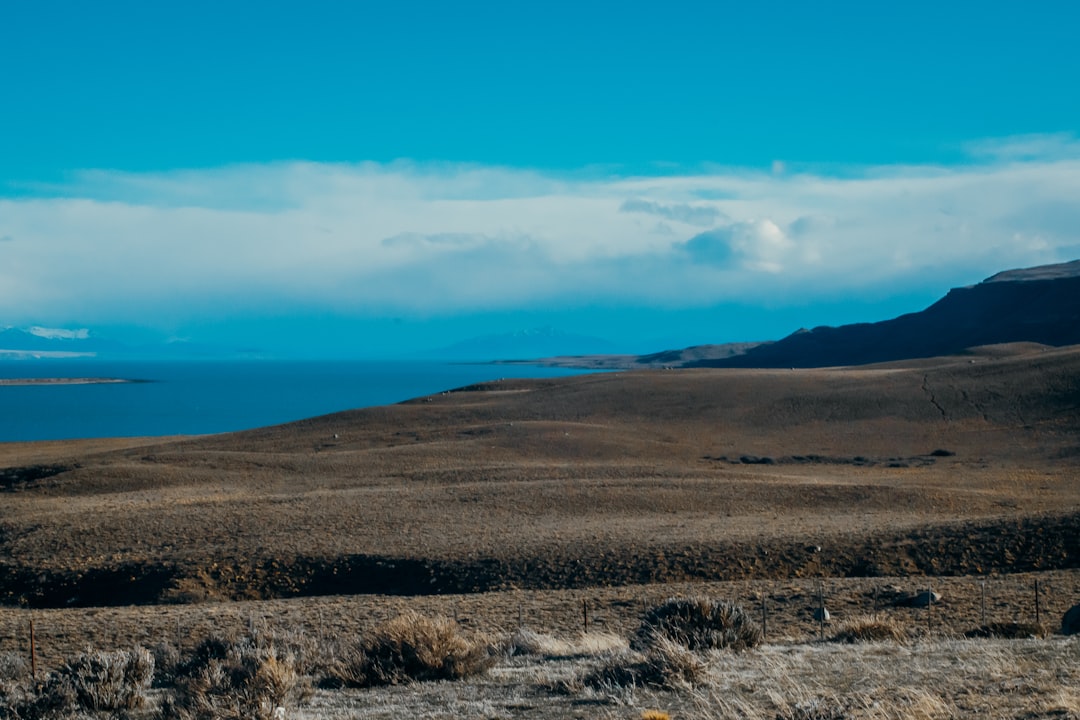

The wind, a constant, invisible sculptor, rips across the Patagonian steppe, carrying with it the scent of damp earth and something ancient, something wild. It’s a place where the mountains don’t just stand; they erupt, jagged teeth tearing at the sky, indifferent to the tiny humans who come seeking their grandeur. This isn’t a gentle stroll through manicured gardens; it’s a raw, unapologetic confrontation with nature at its most dramatic, a moderately difficult, genuinely adventurous hiking experience that demands your respect, your stamina, and every ounce of your attention.
You feel it in your bones the moment you step off the plane, a primal hum that vibrates through the vast, empty landscapes. The scale here is disorienting, humbling. Distances stretch into infinity, and the peaks, often shrouded in swirling cloud, reveal themselves with a theatrical flourish, only to vanish again, leaving you to wonder if you truly saw them or if it was just a trick of the light. This is the kind of place that strips away the superficial, leaving you with nothing but the crunch of your boots on the trail and the relentless, invigorating push of the wind.
It’s an adventure that requires more than just a good pair of boots; it demands a certain grit, a willingness to be uncomfortable, to push past the easy path for something genuinely spectacular. The rewards aren’t just pretty pictures for Instagram – though you’ll get those in spades – but a profound sense of accomplishment, a quiet understanding of your own resilience against a backdrop of truly monumental beauty. This is where you go when you’ve had enough of predictable itineraries and want to earn every single breathtaking view.
The Iconic Peaks of Torres del Paine
The first glimpse of the Torres del Paine, those three colossal granite spires, is a gut punch, a sudden intake of breath that leaves you momentarily speechless. They stand there, defiant and magnificent, their sheer faces scarred by millennia of ice and wind, often reflecting a pinkish glow at dawn or a fiery orange at sunset, a spectacle that makes the early alarm and the cold trek entirely worthwhile. This is the poster child for Patagonian grandeur, and it lives up to the hype, despite the occasional feeling of being part of a well-oiled tourist machine.
Embarking on the famed W Trek, you quickly learn that sensory overload is the default setting. The air is crisp, biting, often carrying the metallic tang of glacial meltwater. Your boots grind over loose scree, squelch through muddy patches, and clatter across wooden boardwalks, each sound a rhythmic accompaniment to the ever-present roar of the wind. The landscape shifts dramatically, from dense, moss-draped forests where the air is still and cool, to wide-open valleys exposed to the full force of the elements, where you lean into the wind as if it’s a solid wall.
The journey itself is a series of astonishing reveals: the vast, fractured expanse of Glacier Grey, its icebergs calving with distant thunderous cracks into the milky-blue lake; the panoramic sweep of the French Valley, ringed by impossibly steep, ice-streaked peaks; and finally, that arduous, final scramble up to the base of the Towers themselves, where a glacial lake mirrors their impossible height. It’s a physical challenge, no doubt, but every aching muscle, every blister, every moment of doubt, evaporates in the face of such raw, untamed beauty. The refugios, while sometimes crowded and a tad overpriced, offer a welcome respite, a chance to swap stories with fellow adventurers over a lukewarm beer, before heading out again to face the wild.
The wildlife, though often elusive, adds another layer to the experience. Guanacos, those elegant, long-necked cousins of llamas, graze nonchalantly, their curiosity sometimes overcoming their shyness. If you’re lucky, you might spot a majestic condor circling high above, a silent sentinel surveying its vast domain. But even without these encounters, the sheer scale of the place, the feeling of being a small, insignificant speck in a truly enormous and powerful landscape, is enough to leave an indelible mark. It’s a place that demands you pay attention, that forces you into the present moment, and that will undoubtedly redefine your understanding of “wilderness.”
El Chaltén and Fitz Roy’s Majesty
Head north from Torres del Paine, across the border into Argentina, and you find yourself in El Chaltén, a delightful, unassuming little town that proudly declares itself the “National Trekking Capital.” Unlike the more structured, park-fee-heavy experience of Torres del Paine, El Chaltén offers a refreshingly independent approach to hiking. The trails literally start at the edge of town, radiating out into the Patagonian backcountry like spokes from a wheel, inviting you to simply grab your pack and go, no permits, no entry fees, just pure, unadulterated exploration.
The undisputed monarch of this domain is Monte Fitz Roy, a peak so distinct, so impossibly jagged, it looks like something ripped from a fantasy novel or a child’s drawing of a mountain. Its granite spires, often dusted with snow and ice, catch the first and last light of the day with an almost theatrical brilliance, glowing fiery orange, then soft pink, then deep purple. It’s a photographer’s dream, yes, but more than that, it’s a geological marvel, a defiant statement of nature’s power, demanding to be seen, to be admired, and to be earned.
The most iconic trek to witness Fitz Roy in all its glory is the hike to Laguna de los Tres. It’s a long day, a relentless uphill climb through forests of Lenga trees and past smaller, equally beautiful lakes, but the final push is what truly tests your mettle. The last kilometer or so is a steep, rocky scramble, a proper grind that will have your quads screaming, but when you finally crest that ridge and the full, breathtaking panorama of Fitz Roy and its satellite peaks, reflected perfectly in the glacial lake below, explodes into view, every ounce of effort instantly dissolves. It’s a vision so pristine, so utterly wild, it feels like a secret you’ve been let in on.
Beyond Fitz Roy, El Chaltén offers a network of other incredible trails, like the one to Cerro Torre, another impossibly slender, elegant peak, often crowned with a mushroom cap of ice. The beauty here lies in the accessibility and the freedom; you can plan your own adventure day by day, choosing trails based on the weather or your energy levels. There’s a genuine, laid-back outdoor culture in El Chaltén, where hikers mingle in local bakeries, swapping trail conditions and stories over strong coffee and medialunas, a refreshing contrast to the more commercialized feel of some other trekking hubs.
Preparing for Patagonia’s Embrace
So, you’re thinking about Patagonia? Good. But let’s be brutally honest: this isn’t a place where you can just wing it with a pair of sneakers and a flimsy rain jacket. Patagonia’s weather is famously, savagely unpredictable. You can experience all four seasons in a single hour – brilliant sunshine, then horizontal sleet, then calm, then a wind that feels like it could peel the skin right off your face. Ignoring this reality is not just foolish; it’s genuinely dangerous.
Layers, my friend, are your absolute salvation. Think merino wool base layers, a good fleece mid-layer, and a bomb-proof, waterproof, windproof outer shell. And I mean bomb-proof. This isn’t the time to skimp on gear. You’ll also need sturdy, broken-in waterproof hiking boots – your ankles will thank you – and plenty of warm socks. A good hat and gloves are non-negotiable, even in what might seem like summer months. The wind chill at altitude can be utterly brutal, turning exposed skin numb in minutes.
Beyond the physical gear, mental preparation is key. There will be moments when the trail feels endless, when the wind howls relentlessly, when the rain seems to defy gravity. There will be times you question why you ever left the comfort of your couch. But those are precisely the moments that make the eventual payoff so incredibly sweet. This is a place that demands resilience, a willingness to push through discomfort for moments of unparalleled beauty and profound solitude.
If you’re ready to trade predictable comfort for the raw, untamed majesty of the wild, if you’re prepared to earn every single breathtaking view with sweat and grit, then Patagonia is calling. It’s a place that will challenge you, humble you, and ultimately, redefine your understanding of what an adventure truly is. Don’t just visit; immerse yourself. Don’t just observe; participate. Go, conquer those peaks, and let the mountains touch your soul.