

The thin air bites, your lungs protest with every upward step, but it’s not just the altitude that steals your breath; it’s the sheer audacity of what the Incas built, a city carved from mountains, defying gravity and logic. Getting to Machu Picchu isn’t like booking a weekend getaway; it’s a multi-layered puzzle, a logistical labyrinth that begins long before you even set foot on Peruvian soil. You’re not just buying a ticket; you’re securing a passage to a place that continues to mystify, a stone city clinging to a ridge, whispering secrets across centuries.
The planning alone can feel like deciphering an ancient calendar, requiring foresight, patience, and a healthy dose of stubbornness. Permits for the legendary Inca Trail vanish faster than a free pisco sour, train tickets to Aguas Calientes sell out months in advance, and even the entry slots for the ruins themselves are strictly controlled. This isn’t a casual stroll; it’s an expedition, a pilgrimage, and a damn good story waiting to happen, but only if you play your cards right and understand the intricate dance of booking and timing. Every decision, from your chosen access route to the exact hour you plan to arrive, shapes your encounter with this monumental achievement.
The Hero Spot
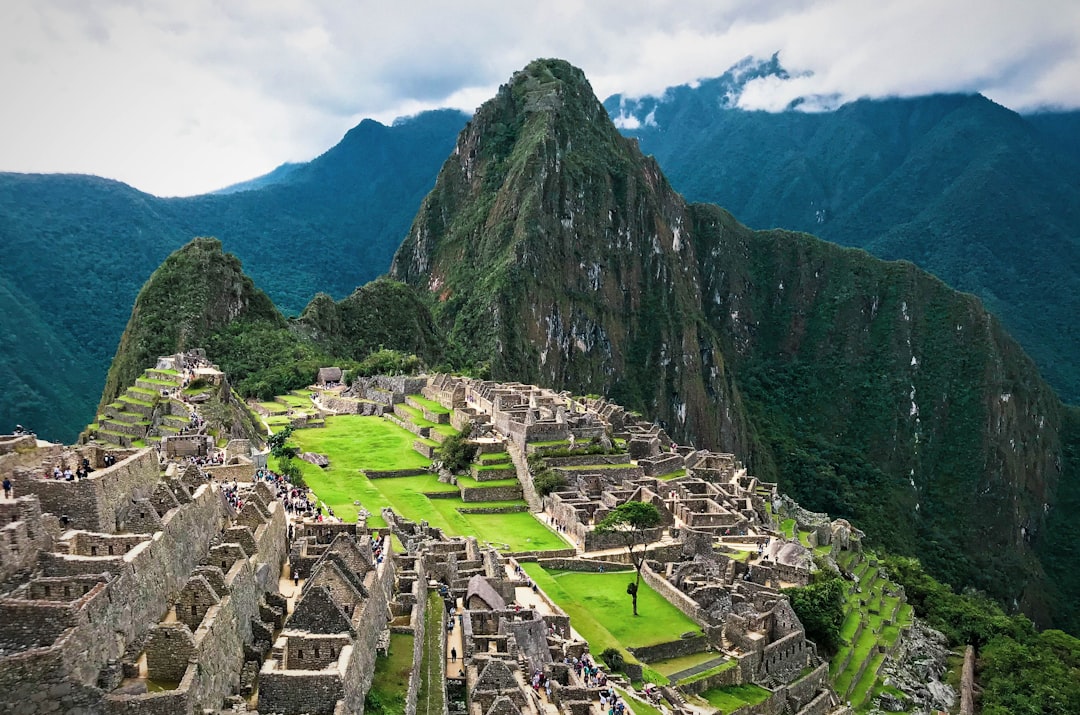
That final climb, the one where your thighs are screaming and your lungs feel like deflated balloons, culminates in a narrow pass that feels like the edge of the world. You push through, wiping sweat from your eyes, and then it hits you: the world just drops away. Below, spread out like a forgotten offering to the gods, is Machu Picchu. It’s not a postcard; it’s real, raw, and utterly improbable, a vision that snaps into sharp, glorious focus from the Sun Gate (Intipunku).
The morning air, often thick with a cool, damp mist, plays tricks, revealing and obscuring the ancient stones in a slow, dramatic reveal. One moment, a terraced field is a shadow; the next, the entire city plan snaps into focus, sharp edges against the hazy green, as if the mountain itself is slowly exhaling its secrets. The silence up there, broken only by the wind and the collective gasp of fellow travelers, is profound, a heavy blanket of reverence that makes you feel tiny, insignificant, yet profoundly connected to something immense and eternal.
You stand there, a speck, gazing at something built by hands that understood stone and sky in ways we’ve long forgotten, and for a fleeting second, the modern world and all its noise just… vanishes. The sheer scale, the impossible precision of the stonework, the way it seems to grow organically from the mountain itself, rather than being placed upon it – it’s a physical punch to the gut. It’s a reminder of human ingenuity, the relentless power of nature, and the humbling reality that some things simply defy easy explanation, leaving you to simply stand and stare, utterly captivated by the impossible.
The Journey’s Deeper Cuts
Most people rush straight to the main event, the iconic citadel, but the real connoisseurs, the ones who suffer through the multi-day trek, get a different kind of reward. Along the Inca Trail, before you even reach the Sun Gate, there are these smaller, forgotten outposts, stone sentinels guarding the path, offering a glimpse into the broader Inca world that few ever see. These are the unsung heroes of the journey, places where the echoes of ancient footsteps feel closer, more personal.
Imagine wandering through Wiñay Wayna, with its cascading agricultural terraces that mimic the contours of the mountain, or Phuyupatamarca, the “Town in the Clouds,” which offers panoramic views that make you feel like you’re floating above the entire valley. These aren’t just minor stops; they’re entire, self-contained Inca settlements, often empty save for your small group and the occasional llama munching on grass. You can wander through their ceremonial plazas, touch the cold, precise stones, and imagine the lives lived there, without a single selfie stick photobombing your contemplation.
This is where the true intimacy with Inca history happens, where the quiet power of these smaller, perfectly preserved sites, which served as waystations and spiritual centers for those making their own pilgrimage centuries ago, truly resonates. It’s a privilege, really, to experience these places without the usual crush of humanity, to feel the raw, unfiltered presence of history. The air is different here, thinner, purer, carrying whispers of a past that feels less like a museum exhibit and more like a living memory, a direct conversation with the ancient world.
Final Tips
So, you want to tackle this behemoth? First, forget spontaneity. Machu Picchu demands planning, and lots of it, because this isn’t a destination that tolerates last-minute whims. If you’re aiming for the full four-day Inca Trail experience, permits are like gold dust – they sell out *months* in advance, sometimes a year out, so lock that down with a reputable tour operator ASAP. Don’t even think about showing up without one; it’s not happening, and you’ll just be left staring at a closed gate.
If the trail isn’t your jam, or the permits are gone, the train to Aguas Calientes is your lifeline, but those tickets also disappear faster than a plate of lomo saltado at a good local joint. Book your PeruRail or Inca Rail tickets well in advance, especially for peak season, because standing-room-only isn’t really an option, and you don’t want to be stranded. And your entry ticket to Machu Picchu itself? Another pre-booking essential, often bundled with your train or tour package, but double-check everything to avoid any nasty surprises at the gate.
This isn’t a place you wing. This is a journey that requires respect for its logistics, its history, and its altitude. Get your ducks in a row, pack layers for unpredictable mountain weather, hydrate like your life depends on it, and prepare to have your mind blown. It’s a hassle, sure, but some adventures are worth every single bureaucratic hoop you have to jump through, every early morning, and every aching muscle. Now, stop reading and start planning your own ascent to the clouds; the ancient Incas are waiting.