
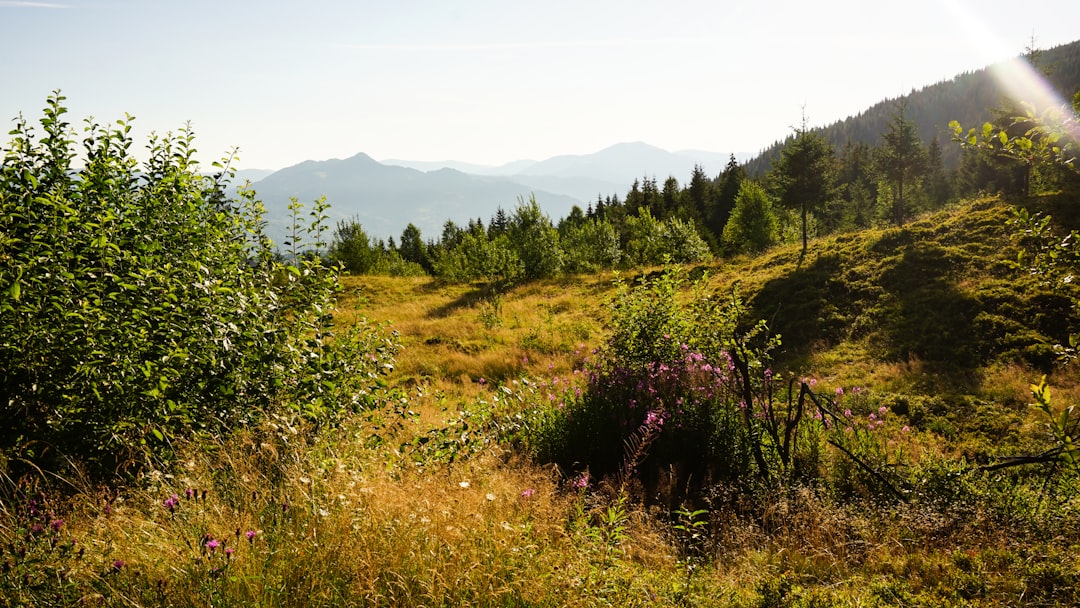

The air in Transylvania isn’t just air; it’s a thick, ancient brew, heavy with pine and the ghosts of forgotten battles, a subtle chill that has nothing to do with the actual temperature. You feel it immediately, a prickle on the back of your neck, a whisper of old stories clinging to the mountain passes and the dark, dense forests. This isn’t your average European jaunt, a quaint little village tour; this is a place where the lines between history and nightmare blur, where every shadow seems to hold a secret, and the very ground remembers the clatter of armored boots and the screams of the unfortunate. It’s a land that has perfectly preserved its gothic allure, not just as a marketing gimmick, but as an intrinsic part of its identity.
For centuries, this corner of Romania has been the undisputed champion of dark tourism, primarily thanks to one very famous, very fictional bloodsucker and the very real, very brutal prince who inspired him. Forget your sparkly vampires; we’re talking about the raw, visceral legends born from the Carpathian peaks and the deep-seated fears of a medieval populace. Vlad the Impaler, a man whose preferred method of dealing with enemies (and sometimes, just annoying people) involved stakes, left a legacy so potent it still permeates the very stone of the fortresses he built or besieged.
It’s a region where every winding road, every fortified church, every town square seems to carry the echoes of a past that refused to be sanitized. You come here not just for the Instagram shots, but for the feeling, for the unsettling beauty of a landscape that has witnessed centuries of conflict, folklore, and resilience. Transylvania isn’t just a destination; it’s an experience, a plunge into a world where the medieval still breathes, and the legends feel just a little too real.
The Iconic Bran Castle
Alright, let’s get the big one out of the way first: Bran Castle. This is *the* Dracula’s Castle, the one plastered on every postcard, the one that probably popped into your head the second you read “Transylvania.” And visually, I’ll give it to them, it absolutely looks the part. Those imposing towers with their pointy red roofs, the way it just juts out of the rock, all dramatic and brooding – it’s got that quintessential spooky castle aesthetic down cold. You can practically hear the bats fluttering around the battlements, even if they’re just tourist drones these days. It’s undeniably picturesque, a genuine architectural marvel that dominates the landscape, commanding attention from every angle.
But here’s the kicker, and you need to hear this: it’s a tourist machine. During peak season, you’ll be shuffling through those narrow corridors shoulder-to-shoulder with hundreds of your closest friends, all vying for the same glimpse of a medieval bedroom or a slightly dusty torture device. The interior, while historically interesting in its own right as a former royal residence, feels more like a carefully curated museum than a place where a bloodthirsty count might have actually paced the floors. It’s well-maintained, sure, but that polished veneer strips away a bit of the raw, gothic charm you might be expecting. The genuine historical connection to Vlad the Impaler himself is, shall we say, tenuous at best, largely a marketing masterstroke that has paid off handsomely.
Expect a gauntlet of gift shops outside the castle walls, hawking everything from plastic fangs to “authentic” Transylvanian souvenirs that were probably mass-produced in China. Parking is a scramble, queues are long, and the overall experience can feel less like a journey into a dark legend and more like being processed through a theme park. It’s certainly worth seeing for its sheer visual impact and its undeniable place in popular culture, but manage your expectations. Go early, go late, or brace yourself for the full-on tourist circus, because Bran Castle is a victim of its own success, a stunning edifice overwhelmed by the sheer volume of pilgrims seeking a glimpse of the legend.
Beyond the Legend: Authentic History
If you’re after the *real* Vlad the Impaler experience, the one that makes you earn your historical bragging rights, then you need to forget the polished façade of Bran and set your sights on Poienari Fortress. This isn’t a pretty castle; it’s a ruin, a stark, weather-beaten skeleton perched precariously atop a mountain, and getting there is half the adventure. We’re talking 1,480 steps carved into the mountainside, a relentless, lung-burning climb that serves as a fitting pilgrimage to the fortress of a man renowned for his ruthlessness. Each step up feels like you’re shedding layers of modern convenience, getting closer to the raw, untamed spirit of Vlad Tepes himself.
Once you finally reach the top, gasping for air and probably questioning your life choices, the reward is immense. Poienari offers panoramic views that stretch for miles across the Argeș River valley, a strategic vantage point that immediately makes you understand why Vlad chose this formidable, almost inaccessible location. There are no gift shops here, no throngs of selfie-stick-wielding tourists; just the crumbling walls, the wind whistling through the ancient stones, and an overwhelming sense of desolate history. You can walk among the remnants of what was once a powerful stronghold, imagining the soldiers, the sieges, the sheer grit required to survive in such a place. It’s a genuine connection to the historical figure, a place where you can truly feel the weight of his legacy, far removed from the commercial gloss.
Then there’s Corvin Castle, or Hunyadi Castle, a completely different beast altogether, and one that absolutely blew me away. This isn’t about Dracula myths; this is a proper, grand, imposing medieval fortress, one of the largest in Europe, with a history that seeps from every gargoyle and every cobblestone. It’s a fairytale castle come to life, but with a gritty, authentic edge. Its Gothic-Renaissance architecture is stunning, a complex maze of towers, courtyards, and drawbridges that feels like it’s been ripped straight from a historical epic. You can spend hours wandering through its vast halls, the Knight’s Hall, the Diet Hall, the various chapels, each echoing with centuries of aristocratic intrigue, banquets, and battles.
Corvin Castle offers a truly immersive historical experience, far beyond the superficiality of some other sites. You can explore the torture chamber, complete with grisly (though likely reconstructed) implements, gaze down into the infamous bear pit, or climb the dizzying spiral staircases to the battlements. This castle wasn’t built for tourists; it was built for defense, for power, for prestige, and that authenticity is palpable. It’s a place that tells its own story, a powerful narrative of Hungarian royalty and military might, standing as a magnificent counterpoint to the more myth-driven attractions. If you want genuine medieval grandeur and a deep dive into Transylvania’s historical heart, skip the queues at Bran and head straight for Poienari and Corvin.
Stepping Back in Time: Saxon Towns
Forget the vampire capes for a moment, because Transylvania holds another, equally captivating secret: its perfectly preserved medieval Saxon towns. Sibiu, for instance, is a place that immediately charms you with its unique architecture, particularly those “eyes” in the roofs – small, dormer windows that seem to gaze down at you from the terracotta tiles, giving the buildings an almost sentient quality. Walking through its two main squares, the Grand Square and the Small Square, is like stepping onto a meticulously maintained film set, but one that’s genuinely lived-in and breathing. The squares are flanked by magnificent baroque buildings, pastel-colored facades, and the towering presence of the Council Tower, all testaments to its rich mercantile history and its status as a European Capital of Culture.
The charm of Sibiu extends beyond its main squares, however. Wander off the beaten path into the narrower, cobbled streets, and you’ll discover a labyrinth of passages, archways, and hidden courtyards. The Bridge of Lies, an ornate cast-iron bridge, whispers its own legends (dare to tell a fib while crossing, and it might just creak a warning). The Evangelical Cathedral, with its impressive organ and a tomb said to hold the son of Vlad the Impaler, adds another layer of historical intrigue. There’s a palpable sense of order and prosperity here, a legacy of the German settlers who shaped its character, offering a stark contrast to the wilder, more rugged landscapes outside the city walls. It’s a place to linger, to sip coffee in a sun-drenched cafe, and simply absorb the centuries of history that permeate every stone.
Then there’s Sighișoara, a town that feels less like a town and more like a perfectly preserved fairytale fortress, literally. It’s a UNESCO World Heritage site, and for good reason: the entire citadel is still inhabited, a vibrant, living museum perched atop a hill, surrounded by its original medieval walls and nine defensive towers. The Clock Tower dominates the skyline, its colorful tiled roof and intricate mechanisms a constant reminder of the passage of time and the town’s enduring legacy. Every corner you turn reveals another brightly painted house, another winding alley, another glimpse into a past that seems to have simply decided to stay put.
Exploring Sighișoara is an absolute delight. Climb the Covered Stairway, a wooden tunnel of 175 steps, which leads to the Church on the Hill and the old Saxon cemetery – a wonderfully atmospheric journey. Wander the cobbled streets within the citadel, passing the supposed birthplace of Vlad the Impaler (now a restaurant, naturally), and marvel at the intricate details of the medieval architecture. It’s a place where history isn’t just displayed in museums; it’s lived, breathed, and walked upon. The vibrant colors of the houses, the fortified walls that have stood for centuries, the sheer density of historical significance packed into such a compact space – Sighișoara is an unforgettable journey back to a time when knights roamed and fortified towns were the norm.
Your Transylvanian Adventure Awaits
So, you’ve heard the whispers, glimpsed the shadows, and perhaps even felt that inexplicable chill in the air. Transylvania, as you’ve seen, is far more than just a convenient backdrop for vampire novels; it’s a complex, captivating region where the gothic allure of folklore intertwines with a raw, undeniable historical depth. It’s a place that challenges your expectations, demanding that you look beyond the sensationalized myths to uncover the genuine, often brutal, stories etched into its ancient stones. From the dramatic, postcard-perfect façade of Bran to the arduous, rewarding climb to Poienari, and the grand, imposing architecture of Corvin, the castles alone offer a spectrum of experiences that cater to both the curious casual visitor and the hardcore history buff.
But the true magic, the sustained enchantment, often lies in the moments you step away from the explicit legends and immerse yourself in the authentic pulse of the region. The beautifully preserved Saxon towns of Sibiu and Sighișoara provide a stunning counterpoint to the darker tales, offering a glimpse into a meticulously ordered, prosperous medieval past. These are places where you can wander for hours, letting the centuries wash over you, appreciating the intricate details of architecture, the quiet dignity of ancient squares, and the sheer resilience of communities that have thrived amidst mountain wilderness and historical upheaval. It’s a blend of high drama and quiet contemplation, of thrilling legends and tangible history.
Ultimately, Transylvania isn’t just a destination you tick off a list; it’s an adventure that demands your full attention, a place that rewards curiosity and a willingness to explore beyond the obvious. It’s a land where the past isn’t just remembered, it’s alive, breathing in the mountain air, echoing in the fortified walls, and lingering in the tales told over a hearty meal. So, pack your bags, leave your preconceptions at home, and dive headfirst into this unique corner of the world. Go find your own chills, your own historical revelations, and your own unforgettable Transylvanian stories.