
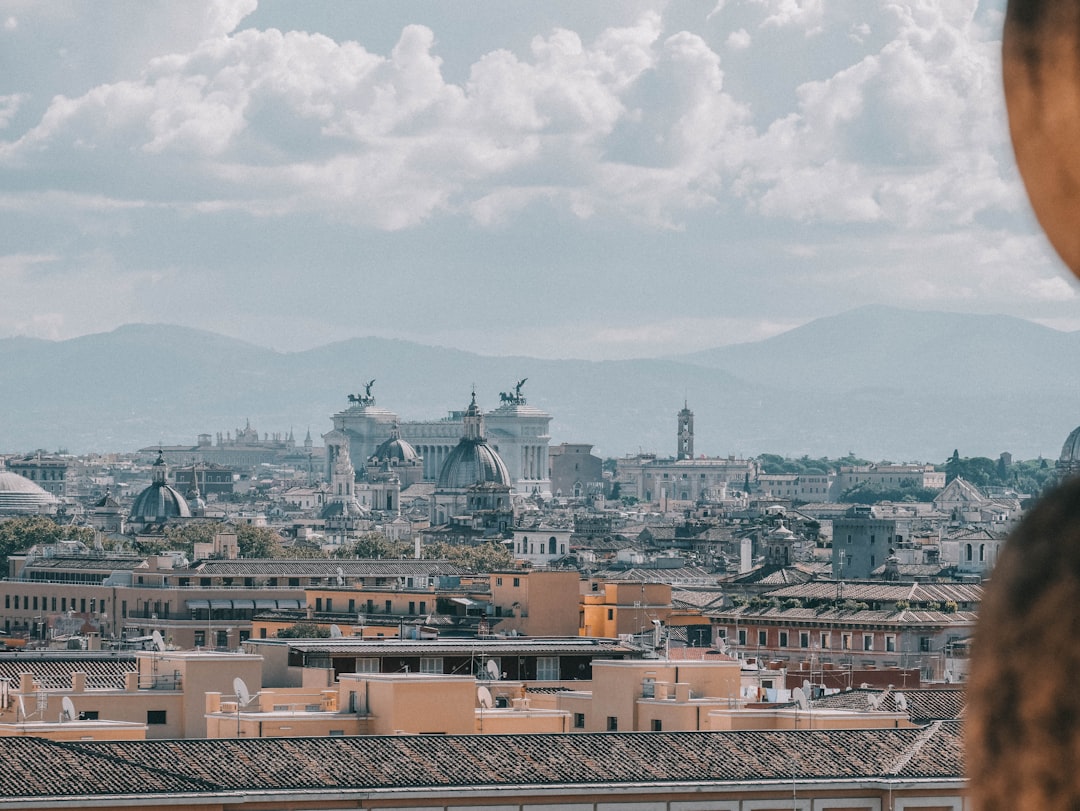

The smell of old stone, damp earth, and roasted coffee beans hits you the second you step out of the train station, a primal scent that’s been clinging to this city for millennia. Rome isn’t just old; it’s a living, breathing geological layer cake of history, where emperors once strolled and now scooters zip past, indifferent to the weight of centuries. You’re not just visiting ruins; you’re walking through a city that stubbornly refuses to die, constantly reinventing itself on top of its own glorious, crumbling past.
It’s a peculiar kind of magic, really, to be sipping a perfectly bitter espresso while a few blocks away, a structure built before your ancestors even knew what a fork was, still stands. This city doesn’t just whisper tales of its past; it shouts them from every archway, every cracked fresco, every uneven cobblestone. And the audacity of it all, that it manages to still feel so utterly modern and *alive* despite housing so much dead history.
But let’s be real, you’re not just coming for the history lessons. You’re coming for the food, aren’t you? The promise of pasta so perfect it might make you weep, pizza that redefines simplicity, and gelato that actually tastes like the fruit it claims to be. Rome’s culinary scene isn’t about fussy presentation; it’s about ingredients that sing and recipes honed over generations, dishes that demand respect and deliver pure, unadulterated pleasure. It’s a sensory overload, a delicious assault on the senses that leaves you both exhausted and utterly satisfied.
Colosseum & Ancient Grandeur
The Colosseum, when it first punches you in the face, is bigger, more scarred, and infinitely more brutal than any picture could ever convey. It doesn’t just sit there; it looms, a monumental testament to both human ingenuity and our species’ relentless capacity for spectacle and violence. You stand there, a tiny speck, trying to wrap your head around the sheer scale of it, the engineering prowess that allowed this monstrous arena to rise from the earth, and the unimaginable horrors that unfolded within its walls.
Imagine the roar. Not the polite murmur of tourists, but the guttural, bloodthirsty clamor of eighty thousand Romans baying for entertainment, for death, for glory. The smell of sweat, fear, and iron. Gladiators, wild animals, naval battles staged in a flooded arena – it was all here, a daily opera of life and death orchestrated for the masses. It’s a chilling thought, how casually life was extinguished for the sake of public amusement, and how the echoes of that brutality still seem to hang in the air, a faint, metallic tang.
Yes, there will be crowds. So many crowds. Hordes of them, clutching selfie sticks like ancient spears, all jostling for the perfect angle. It’s a circus, a human conveyor belt, and if you let it, it will absolutely ruin the experience. But don’t. Find a quiet archway, look up at the sky framed by those ancient, broken stones, and try to filter out the noise. Focus on the raw, exposed brick, the sheer audacity of its construction, the way it has stood for nearly two millennia, enduring earthquakes, fires, and the endless march of time.
It’s humbling, a little terrifying, and utterly essential. You can’t come to Rome and skip the Colosseum, even if it feels like a mandatory pilgrimage. It’s a direct portal to a different world, a stark reminder of empires that rise and fall, and the enduring power of human ambition. You walk out feeling small, insignificant, and yet strangely connected to something vast and eternal.
Trastevere’s Culinary Heart
Cross the Tiber, leave the polished tourist paths behind, and you’ll find Trastevere, Rome’s slightly scruffy, endlessly charming culinary heart. This isn’t where the grand monuments reside; this is where Rome still feels like a neighborhood, a tangle of narrow, cobblestone alleys where laundry hangs like colorful flags between ancient buildings, and the scent of garlic and simmering tomato sauce wafts from every open doorway. It’s got that lived-in, slightly chaotic energy that instantly makes you feel like you’ve stumbled into the real deal.
The food scene here isn’t about Michelin stars or delicate presentations; it’s about honest, robust Roman cooking. Forget the fancy places near the Pantheon that cater to fleeting tourists. Here, you’ll find trattorias and osterias where the menus are handwritten, the portions are generous, and the nonnas might still be yelling at the cooks from the back. It’s loud, it’s a bit cramped, and it’s utterly, deliciously authentic. This is where the magic happens, where simple ingredients are transformed into something extraordinary through generations of practice.
Now, about the carbonara. Everyone in Rome, and every Roman restaurant, will claim theirs is the best. It’s a holy grail, a dish that sparks passionate debate. But if you’re serious about finding a contender, a *serious* contender for the crown, you’re heading to Da Enzo. It’s a small, unpretentious spot, often with a queue spilling out onto the street, and for good reason. They don’t mess around. Their carbonara is a masterpiece: rich, creamy (from egg yolk, never cream, sacrilege!), sharp with Pecorino Romano, and studded with perfectly crispy guanciale. Each forkful is a revelation, a salty, fatty, peppery hug that makes you question every other carbonara you’ve ever eaten.
The catch, of course, is that everyone else knows about Da Enzo too. So, yes, you will likely encounter a line. A *long* line. Especially if you show up at peak dinner time, looking hungry and hopeful. You have a choice: either commit to the wait, arriving early to snag a spot, or resign yourself to the fact that you might miss out. But for that carbonara, that intensely flavorful, perfectly balanced plate of pasta, sometimes the wait is part of the pilgrimage. It’s a test of your dedication to true Roman flavor, and honestly, it’s usually worth every single minute.
Conclusion: Your Roman Holiday Awaits
So, you’ve stared down ancient empires, you’ve navigated the chaotic beauty of Roman streets, and you’ve likely conquered a plate of pasta that will haunt your dreams for weeks. Rome in a weekend isn’t about ticking off every single item on a tourist checklist; it’s about *feeling* Rome, about letting its glorious, messy, delicious essence wash over you. It’s about accepting that you can’t see everything, and that’s perfectly okay.
Don’t try to cram in every single church, every museum, every monument. That’s a recipe for exhaustion and resentment. Pick your battles. Focus on a few absolute must-sees, then allow yourself the luxury of getting gloriously lost in a quiet piazza with an espresso, or stumbling into a random bar for an aperitivo as the sun dips below ancient rooftops. The unplanned moments, the unexpected discoveries, are often the ones that truly define your trip.
This city demands a certain amount of surrender. You’ll walk miles, your feet will ache, you might get confused by the winding streets, and yes, you might even fall victim to a mediocre souvenir shop. But then, you’ll turn a corner, catch the sparkle of a fountain in the afternoon light, smell something incredible drifting from a trattoria, and suddenly, all the minor frustrations melt away. It all makes sense. Rome has a way of doing that.
So, stop procrastinating. Stop scrolling through endless travel blogs. Get yourself to Rome. Your taste buds, your history-loving brain, and your tired but triumphant feet will thank you. Just remember to pack your most comfortable walking shoes and an appetite that’s ready for some serious work.
Bonus: Navigating Rome Like a Local
Lines are for suckers, plain and simple. While some places, like Da Enzo, might be worth the queue for their sheer culinary excellence, for the major attractions like the Colosseum or the Vatican Museums, you absolutely *must* book online. Seriously. Pay the extra couple of euros for a skip-the-line ticket. Your sanity, and the precious hours you save not looking at the back of someone’s head, are worth far more than that small fee. Otherwise, you’ll spend half your weekend stewing in frustration, watching people waltz past you.
When it comes to eating, adopt a Roman rhythm. Don’t even think about showing up for dinner at 7 PM. That’s when the tourist hordes descend, desperate for an early meal. Romans eat later, often 8:30 PM or even 9 PM. If you’re willing to adjust your schedule, you’ll find tables opening up, a more relaxed atmosphere, and you’ll blend in a bit more. Or, do like the locals do: grab a *pizza al taglio* or a *supplì* for a late afternoon snack, then enjoy a lighter, later dinner.
Your footwear choice is paramount. Forget those cute, flimsy sandals or anything with a heel. Rome’s cobblestones are ancient, charming, and utterly unforgiving. They will chew up your shoes and torture your feet. You will be walking, a lot – easily 20,000 steps a day without even trying – so invest in comfortable, broken-in walking shoes. Your feet, and your entire body, will send you heartfelt thanks after day one.
Finally, resist the urge to overschedule. Rome is best experienced with a healthy dose of spontaneity. Pick two or three absolute must-sees for each day, then leave ample room for wandering, for getting delightfully lost. That’s when you stumble upon a quiet, sun-drenched piazza you never knew existed, a breathtakingly beautiful church tucked away on a side street, or the best espresso of your life in a tiny, unassuming bar. Trying to hit every single item on a rigid checklist will only leave you exhausted and resentful. Embrace the glorious chaos, embrace the unexpected discoveries, and let Rome reveal itself to you.