
Intro: Stepping into Nature’s Living Laboratory
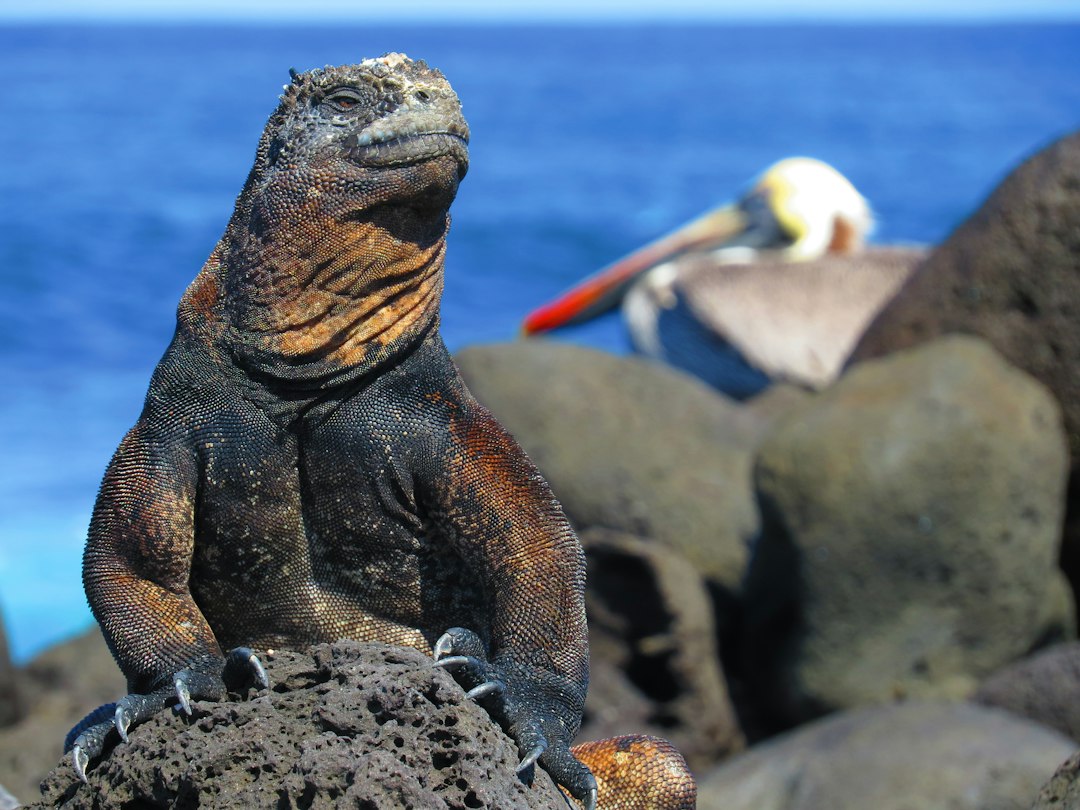
The smell hits you first—salt, sun-baked basalt, and the distinct, oily funk of a sea lion colony that has decided the public ferry harbor belongs exclusively to them. A marine iguana sneezes a rocket of snot and concentrated salt onto the toe of my boot. It doesn’t flinch. It doesn’t move. In almost every other corner of this planet, wild animals bolt the second a human takes a step in their direction, but here on this strange volcanic cluster in the middle of the Pacific Ocean, you are completely, delightfully irrelevant to the local fauna.
It is humbling, weird, and expensive as hell to pull off. Travelers treat the Galápagos like a sacred bucket-list pilgrimage, and while half of them are busy snapping forty thousand identical photos of blue-footed boobies with five-thousand-dollar telephoto lenses, the real high comes from just standing still while a giant tortoise trudges past your knee like a slow-motion boulder left over from the Jurassic era.
Forget the slick glossy airline magazines that paint these islands as a frictionless paradise where chilled drinks appear out of nowhere while you glide past pink flamingos. The Galápagos is rough around the edges. It is shaped by fierce equatorial sun, brutal ocean currents, and razor-sharp lava rocks that will slice your shins open if you take a bad step. But if you drop the polished resort expectations and lean into the raw, unvarnished grit of the place, nowhere else on Earth will hit you quite like this.
You arrive expecting a curated national park, but you leave realizing humans are merely noisy guests who haven’t managed to ruin this specific cluster of rocks yet. It is living, breathing evolution staring you down without a single care in the world while you sweat through your linen shirt.
Skip the Lines & Book Local Galápagos Islands Experiences
Top museum slots, sunrise tours, and small-group food walks sell out days ahead. Compare verified tours with free 24-hour cancellation.
The Hero Spot: Volcanic Lava Fields and Lush Highlands
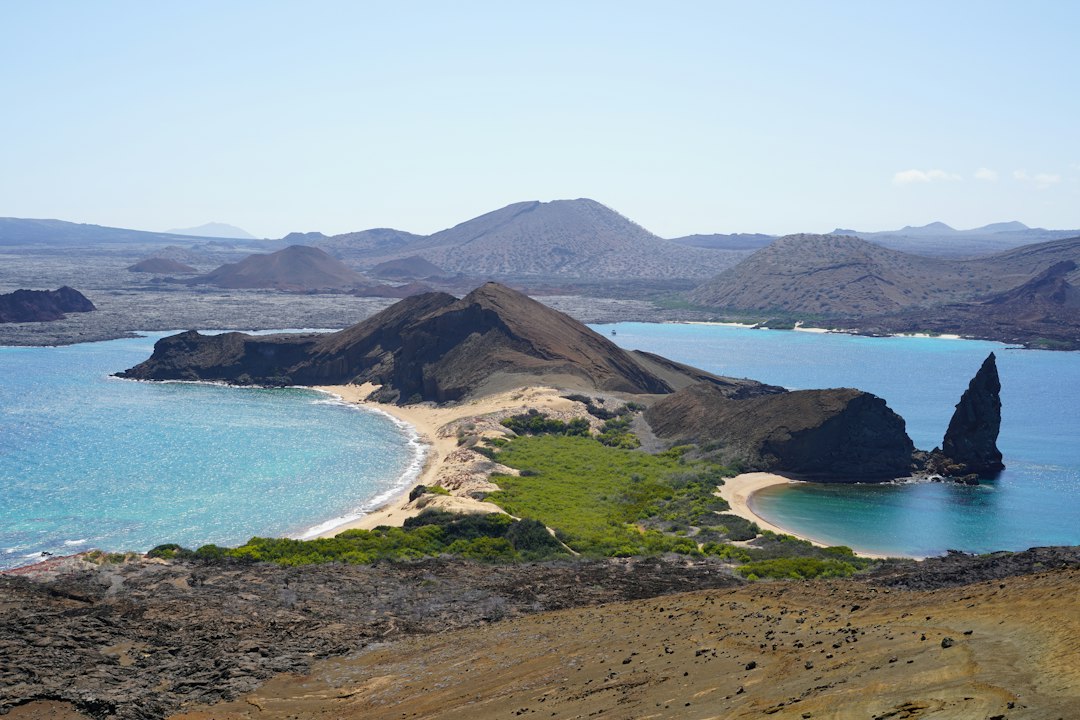
If you expect the entire archipelago to look like a Caribbean postcard with white sand and swaying palm trees, prepare for a sharp slap of reality. Islands like Santa Cruz and Isabela look like a celestial chef turned a giant barbecue grill up to maximum heat and forgot about it for three million years. Walking out onto the Pahoehoe lava fields feels like stepping onto a frozen, blackened ocean of liquid asphalt—dark, twisted, sharp, and intensely hot.
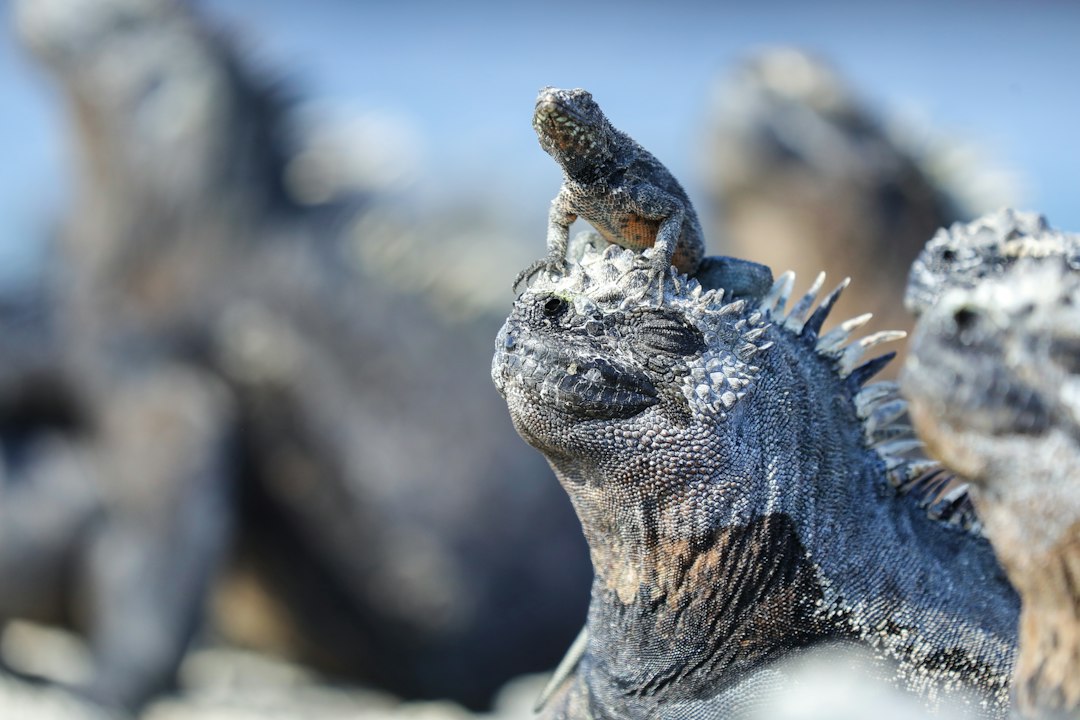
You trek across these barren stretches where almost nothing survives except tiny lava lizards darting between heat fissures and the occasional prickly pear cactus stubbornly wedging its roots into solid rock. Heat radiates upward off the black basalt, baking your boots while the midday sun pounds down from above. It gives you a front-row seat to what the planet looked like right after the crust cooled down. It is stark, intimidating, and endlessly fascinating if you appreciate landscapes that refuse to compromise for human comfort.
Then you hop in a pickup truck taxi, drive twenty minutes straight up into the interior highlands, and the environment flips off a light switch. The heat evaporates into a cool, wet drizzle. The black volcanic dust gives way to thick red clay, and suddenly you are pushing through dense scalesia forests dripping with moss and wild ferns. Going from an apocalyptic moonscape to a dripping Jurassic rainforest in the span of a short drive is pure whiplash.
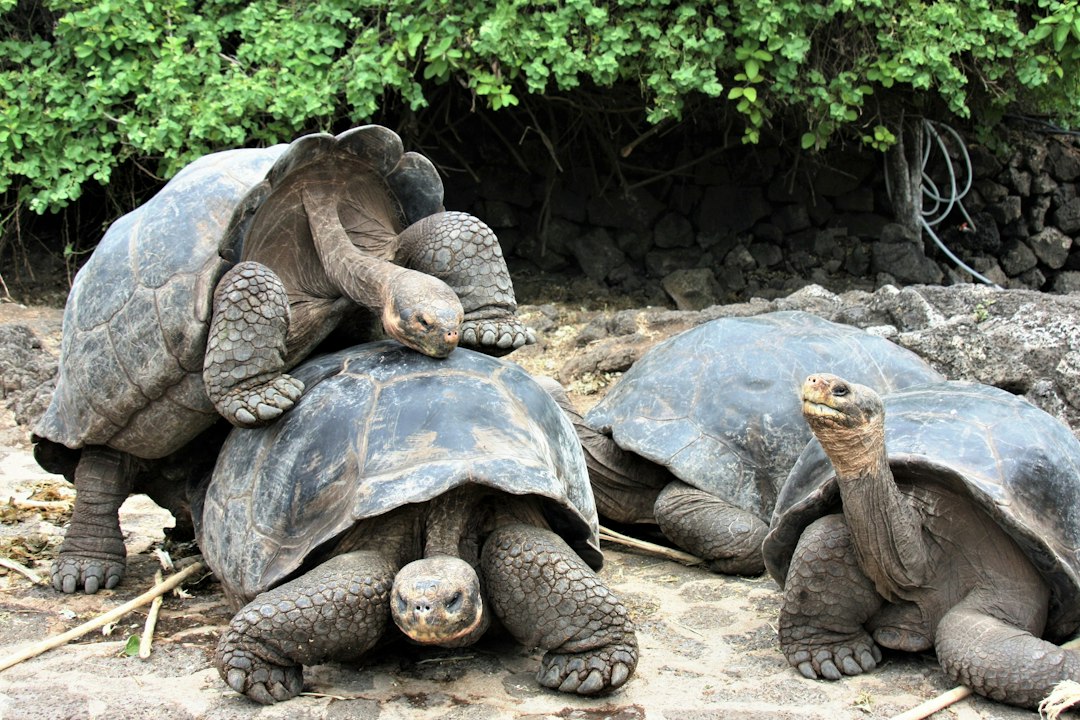
Up here, wild giant tortoises lumber through muddy farm pastures like armored tractors, completely ignoring property lines, cattle fences, and human spectators. They drop into swampy wallows with loud, squishy sighs, chewing on vegetation while finches pick parasites off their leather-skinned necks. This wild split personality—brutal lava fields sitting directly next to lush cloud forests—is what makes the geography of the islands feel alive, unstable, and constantly changing.
Hidden Gems: Tortoise Breeding Centers and Organic Farms
Ditch the crowded souvenir strip in Puerto Ayora for a day and get yourself over to San Cristóbal Island. While the major tour groups line up at the primary island reserves, the Centro de Crianza David Rodríguez offers a far more quiet, transparent look at how giant tortoises are actively pulled back from the cliff edge of extinction. Tucked away near Puerto Chino on the far side of the island, it stays blissfully quiet because half the cruise-ship crowds won’t pay for the taxi ride out there.

Walking through the center reveals the entire assembly line of tortoise conservation. You see concrete basins holding tiny hatchlings no larger than a billiard ball, moving up to fenced enclosures packed with mischievous juveniles scrambling over rocks. The setup avoids feeling like a glorified zoo; it operates as a working, clinical survival clinic run by rangers who care deeply about species recovery. Watching a three-pound baby tortoise aggressively tackle a leaf of wild lettuce while knowing it might easily outlive your grandchildren puts your daily worries into perspective real fast.
Further up in the island’s interior, high-altitude organic farms provide a fantastic reality check to the sterile narrative of wilderness conservation. These are not fake eco-resorts built for tourist photo-ops; they are working agricultural operations where local families battle invasive plant species like wild blackberry every single morning to keep the local ecosystem from choking out. Visiting these farms gets your hands dirty, especially if you volunteer for a morning weeding session alongside farmers who have worked this tough soil for decades.
Sitting down at a heavy wooden table on one of these farms, sipping black coffee grown thirty feet away while eating fruit picked straight from the trees, shows you a side of the islands that hasn’t been shrink-wrapped for tourists. You hear directly from locals about the reality of fresh water shortages, strict supply boat schedules, and the sheer cost of living in an isolated zone where basic goods are shipped from the mainland. It is real, authentic, and far more grounding than buying another factory-printed t-shirt at the port.
Essential Rules: Navigating Park Regulations and Guided Tours
Let’s establish one ground rule right now: you cannot just show up in the Galápagos, rent a kayak, and paddle off into the sunset to camp on a remote beach. Over 97% of the landmass in this archipelago is designated as protected Galápagos National Park territory. Park authorities enforce their mandates with serious efficiency. If you walk off a marked trail, attempt to fly a drone without a heavy-duty scientific permit, or touch wildlife, you will be fined, publicly reprimanded by rangers, or escorted directly to the airport.
By law, you must be accompanied by a licensed naturalist guide for virtually every land trail and marine site inside the national park boundaries. Independent travelers sometimes complain about this rule, claiming it cramps their free-spirited style. Save the complaints. A good naturalist guide is the single best investment you will make on the trip. They transform what looks like an ordinary pile of rubble into a complex narrative about lava tubes, endemic species, and marine currents.
The guides undergo rigorous testing and possess an insane depth of hyper-local knowledge. They know precisely which lava crevice hides a roosting barn owl, which reef bay attracts resting white-tip reef sharks when the tide drops, and exactly how many feet you need to stand back so a nesting frigatebird doesn’t panic and leave its nest exposed to the sun.
You must maintain a strict six-foot distance from all animals at all times. This sounds simple until a playful sea lion pup flops down on your camera bag while you’re standing on a dock. You don’t touch them, you don’t feed them, you pack out every single scrap of trash, and you step precisely where your guide steps. These rules feel intense, but the second you realize they are the only reason these islands haven’t been paved over for mega-resorts, you respect the process completely.
Conclusion: Planning Your Ultimate Galápagos Adventure
Deciding how to tackle this trip comes down to a fundamental choice: a liveaboard cruise versus an island-hopping land campaign. Liveaboard boats are brutally expensive, but they offer access to remote outer islands like Fernandina and Genovesa—places so pristine and untouched they will blow your mind. You wake up anchored in a fresh, isolated bay every morning, avoiding the daily back-and-forth boat trips across open ocean.
On the flip side, a land-based trip staying in small hotels on Santa Cruz, San Cristóbal, or Isabela keeps your budget from completely disintegrating. It supports local families, small restaurants, and independent boat captains. You trade access to the most distant outer islands for the ability to eat fresh empanadas at a street stall, drink a local beer at sunset, and set your own daily pace. If you choose the land-based route, schedule day-tours on local boats out to uninhabited islands like Bartolomé or North Seymour to get that classic wild exposure.
Financially, prepare for some real sticker shock. The national park entrance fee (which recently doubled to $200 for most international visitors), transit control cards, inter-island ferries, and guide tips add up very quickly. Bring plenty of US dollars in cash, because credit card readers in small highland shops break down constantly, and ATMs on the islands run out of money faster than you’d think.
Stop overanalyzing the logistics and worrying about getting the absolute perfect postcard shot. Book the ticket, accept that your hair is going to be sticky with salt for a week, follow the park rules, and let this rocky volcanic outpost reset your view of the natural world. The tortoises were holding down this rock long before you got here, and if we treat the place with respect, they will be here long after we’re gone.
Bob
Travel writer & explorer
I've always loved exploring new places. BOB Loves Travel is a space where I share honest stories from my trips — real destinations, no sponsorships, no fluff.
Bob’s Field Notes & Booking Cheat Sheet
Everything you need to pull off this trip smoothly. Tap any card below for Bob’s vetted providers:
Must-Do Galápagos Islands Tours & Tickets
Lock in skip-the-line museum passes, small-group food walks, and top day trips with free cancellation.
Local 5G Travel eSIM
Install on Wi-Fi before takeoff and land connected to local 5G data with zero carrier roaming fees.