
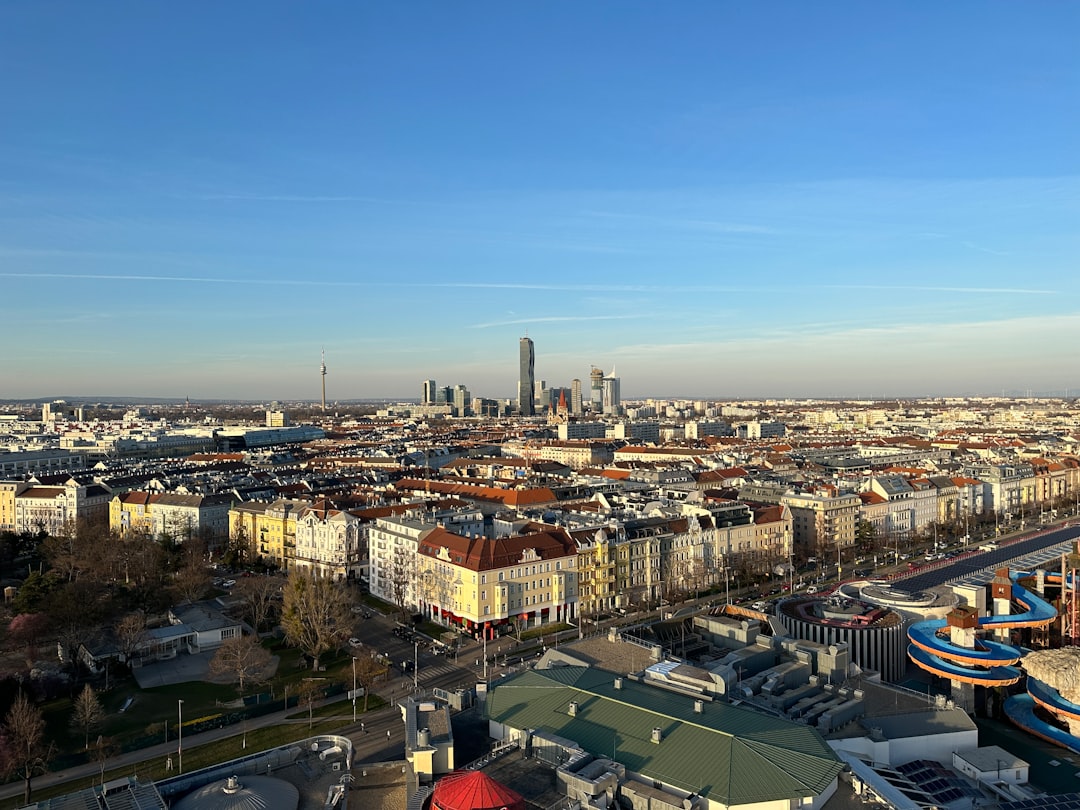

The biting wind off the Danube can whip through you even in late spring, carrying the faint, metallic scent of history, of old empires and grand ambitions. Vienna isn’t a city that whispers; it declares itself with every baroque facade, every polished marble floor, every clinking coffee cup. It’s a place where the sheer weight of its imperial past is palpable, a constant, elegant backdrop to a fiercely intellectual and deeply entrenched coffee culture. You arrive, and immediately, it’s clear this isn’t some quaint little European town; this is a capital, a former heart of an empire, demanding a certain respect, a particular kind of attention.
You can practically smell the centuries of power and privilege clinging to the air, a mix of beeswax polish, strong espresso, and the faint, sweet decay of very old money. The palaces stand like silent, stone-faced guardians, their sheer scale a constant reminder of who ran the show for so long, while down in the street-level cafes, the real conversations, the actual lifeblood of the city, continues to flow, uninterrupted. It’s a city of stark contrasts, where the monumental grandeur of its architecture meets the intimate, almost conspiratorial warmth of its traditional coffee houses, each element vying for your attention, each telling its own distinct story of what Vienna truly is.
Palaces, Pomp & Classical Notes
You’ll step into the Hofburg or Schönbrunn, and the first thing that hits you isn’t just the size, it’s the sheer, unadulterated *muchness* of it all. Gold leaf drips from every ceiling, chandeliers hang like frozen waterfalls, and room after endless room parades furniture so ornate it looks like it might spontaneously sprout wings and fly away. It’s an overwhelming ensemble, a relentless assault of historical and artistic splendor that makes you wonder if the Hapsburgs ever had a quiet moment, a single unadorned wall to just *be*. You shuffle along with the crowds, craning your neck, trying to absorb the sheer audacity of it all, the centuries of collected wealth and power condensed into polished wood and gilded plaster, feeling a bit like an ant at a giant’s tea party.
The baroque architecture here isn’t just a style; it’s a statement, a defiant flourish against any notion of subtlety. Every corner is curved, every surface decorated, every facade a dramatic performance in stone. It’s beautiful, undeniably, in a grandiose, slightly theatrical way, but also utterly exhausting if you try to take it all in at once. You find yourself noticing the tiny details, the way a cherub’s wing is carved, the worn smoothness of a stone step, the faint scent of old dust and polish that seems to have seeped into the very foundations of these colossal structures, making them feel less like museums and more like sleeping giants.
Then there’s the music, of course. Vienna breathes classical notes, the ghosts of Mozart, Beethoven, and Strauss practically hum through the cobblestones. You can find a concert nearly every night, from grand orchestral performances in gilded halls to smaller, more intimate recitals in ancient churches. Sure, some of it is pure tourist fodder – the guys in powdered wigs hawking tickets near the Stephansdom are a dead giveaway – but if you dig a little, if you listen, you can still catch the authentic resonance of a city that truly birthed musical genius. It’s in the way a street musician plays a cello with a certain melancholy, or the quiet reverence in a church where an organist is practicing, reminding you that this isn’t just a historical footnote; it’s a living, breathing tradition, a continuous conversation with the past.
Beyond the Tourist Trail: Local Flavors & Hidden Stories
To truly get Vienna, you need to ditch the main drags and wander down the side streets, where the scent of goulash and strong coffee mixes with the murmur of local chatter. Forget the places with glossy menus in six languages; you want the *Beisl*, the traditional pubs where the beer flows freely and the food is hearty, unpretentious, and utterly delicious. Look for the small, unassuming cafés that haven’t been scrubbed clean for Instagram, the ones where the regulars have their own hooks for their coats and the newspapers are still hot off the press. I found a spot, just a few blocks from the Ringstrasse but a world away in spirit, where the waitress, a woman who looked like she’d seen a few empires rise and fall, served the best *Kaiserschmarrn* I’ve ever tasted, fluffy and caramelized, with a side of plum compote that tasted like someone’s grandmother made it.
If you’re the type who sees cities not just as collections of sights but as complex, layered organisms, then an “Architect’s Vienna” perspective is your ticket. This isn’t about ticking off famous buildings; it’s about understanding the city’s bones, how the medieval street plan gave way to baroque grandeur, how modern design sometimes clashes, sometimes harmonizes, with the old. You start noticing the intricate ironwork on balconies, the subtle differences in stucco, the way light plays off a particular facade at different times of day. It’s about looking *up* and *down* and *around*, seeing the stories etched into the very fabric of the city, the silent dialogues between centuries of builders and dreamers.
And if you want to peel back those layers, to understand the whispers and the outright shouts of history that most guidebooks gloss over, you need someone like Alessandra Brucchietti. She’s not just a guide; she’s a cultural historian, a storyteller who can connect the dots between a forgotten alleyway and a pivotal moment in Hapsburg intrigue, between a specific architectural detail and a philosophical movement. She doesn’t just show you buildings; she reveals the lives lived within and around them, the political machinations, the artistic breakthroughs, the everyday struggles that shaped this grand city. It’s the difference between looking at a painting and having the artist explain the brushstrokes, the inspiration, the hidden symbolism – suddenly, the whole picture comes alive in a way you never anticipated.
Your Viennese Weekend Awaits
So there you have it, Vienna in a whirlwind: the dazzling, slightly suffocating grandeur of its imperial past, the quiet, intellectual hum of its coffee houses, and the gritty, authentic pulse of its local haunts. It’s a city that demands you engage with it, that asks you to look beyond the polished surface to find the real stories, the true flavors. You can spend your days awash in gold leaf and classical music, feeling the weight of history pressing down on you, or you can dive into the side streets, finding the cafes where philosophers once debated and the pubs where the real Viennese still gather.
It’s a city of contradictions, yes, a place where the pomp of empire still casts a long shadow over a fiercely modern, sometimes irreverent, urban landscape. But it’s precisely this blend, this tension between the monumental and the intimate, the historical and the utterly contemporary, that makes Vienna so uniquely captivating. It leaves you with a sense of awe, a lingering taste of strong coffee, and a quiet understanding that some places, despite all the tourist brochures, still hold their secrets close. Your own 48 hours here will fly by, but the impressions, the subtle textures of this grand old city, will stick with you long after the last *Apfelstrudel* has been devoured. Go on, book the ticket. See what Vienna tells you.