
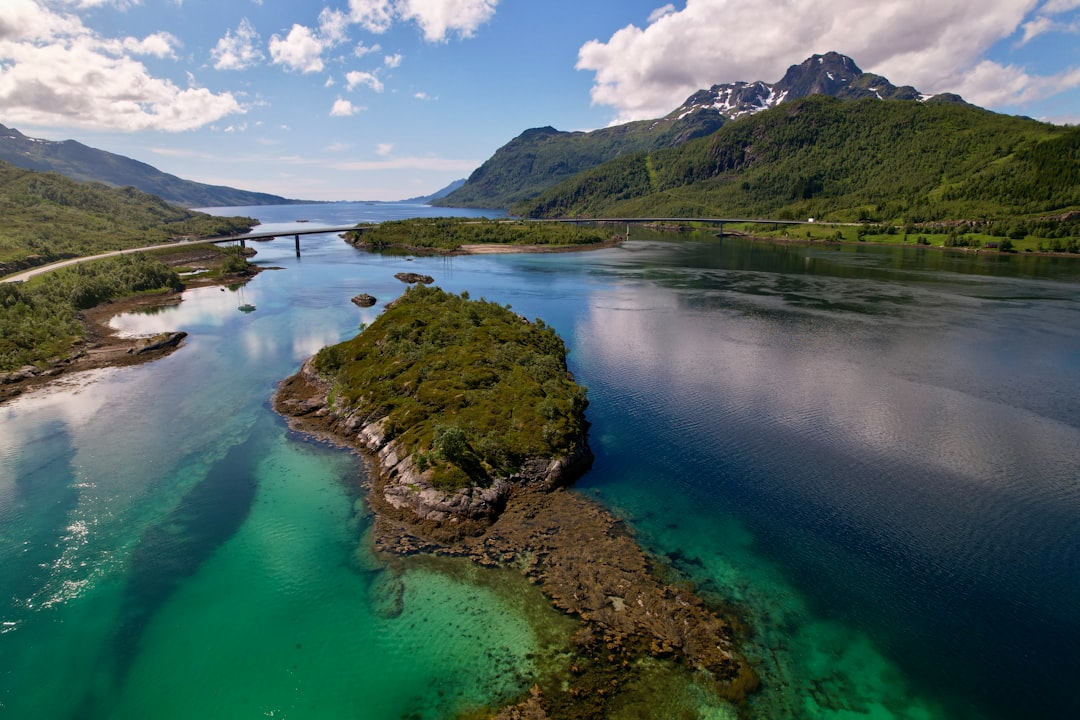

The wind, sharp and clean, whips off the impossibly dark water, carrying the scent of pine and something ancient, something cold and deep. You stand on the deck of a boat, craning your neck, and the cliffs just keep going up, up, up until they scrape the clouds, making you feel like a particularly insignificant bug. This isn’t just pretty scenery; this is Norway’s west coast, a place where the earth itself seems to have ripped open, leaving behind these colossal, water-filled canyons that scream “epic” louder than any Hollywood blockbuster. This is where legends were forged, where the Vikings, not exactly known for their delicate sensibilities, navigated these same waters, probably with a lot less fuss and a lot more intent to pillage.
Forget your postcards and Instagram filters; the sheer, unadulterated scale of the Norwegian fjords is something you have to feel in your bones. It’s a humbling punch to the gut, a reminder that nature, in all its brutal, beautiful glory, still runs the show. And if there’s one particular stretch of this magnificent, watery labyrinth that demands your full, undivided attention, it’s the Geirangerfjord. It’s the one everyone talks about, the one plastered on every brochure, and for good reason: it delivers.
You’re not just looking at a pretty view here; you’re witnessing the raw, untamed power of glaciers carving their way through bedrock over millennia, leaving behind these impossibly steep walls that plunge hundreds of meters into the sea. This isn’t a place you casually stroll through; it’s a place you surrender to, let its immense grandeur wash over you, and accept that your sense of proportion is about to get a serious recalibration. This is where the old stories feel real, where the echoes of longships cutting through the water still seem to hang in the air, and where the silence, when it comes, is so profound it’s almost deafening.
Geirangerfjord – Norway’s Crown Jewel
You motor into Geirangerfjord, and immediately, the air changes, thick with a damp coolness, the sound of the boat engine echoing off walls that seem to lean in on you, threatening to swallow the vessel whole. The water, a startling, almost unnatural shade of blue, reflects the sky and the impossibly green slopes above, making it feel like you’re sailing through a giant, distorted mirror. It’s a claustrophobic beauty, a feeling of being utterly dwarfed, yet completely captivated, as the boat edges deeper into this geological masterpiece. Every turn reveals another impossibly steep cliff face, another patch of hardy trees clinging to improbable ledges, another abandoned farm precariously perched where you wonder how anyone ever managed to get there, let alone survive.
Then you see them, the Seven Sisters Waterfall, tumbling down a sheer rock face like seven bridal veils, each ribbon of water distinct, powerful, yet graceful. They’re not just a trickle; these are serious cascades, fed by snowmelt and rain, crashing into the fjord with a roar that you can feel even from the middle of the water. It’s the kind of sight that makes you forget your phone for a minute, makes you just stand there, mouth slightly agape, trying to comprehend the sheer volume of water, the height it’s falling from, the ancient, relentless process that put it all there. And directly opposite, almost as if in a dramatic counterpoint, is the Bridal Veil Falls, a single, wider sheet of water that disperses into a fine mist before it hits the fjord, often catching the sunlight just right to create fleeting rainbows.
The boat slows, allowing everyone to gawk, to snap their photos, to try and capture something that is, frankly, uncapturable. The sheer rock walls rise directly from the deep blue water, scarred by ancient landslides and polished by eons of ice and water. You can spot the occasional intrepid hiker on a tiny trail far, far above, or maybe a lone eagle circling, indifferent to the parade of tourist boats below. It’s a place that demands respect, a place that reminds you exactly who’s boss, and it doesn’t care if your selfie stick is fully extended.
What makes Geirangerfjord truly stand out isn’t just the height of the cliffs or the depth of the water, but the way everything converges into this almost theatrical display of natural power. The abandoned farms clinging to impossible ledges, the tiny patches of green against the grey rock, the constant, low rumble of the waterfalls – it all combines into an experience that feels both ancient and utterly immediate. It’s not just a fjord; it’s a living, breathing testament to the planet’s raw, unyielding artistry, and it’s going to stick with you long after the spray has dried from your face.
Step Back in Time at Njardarheimr Viking Village
After the silent, overwhelming grandeur of the fjords, you might think a “Viking village” would feel like a cheap theme park, a plasticized version of history. But Njardarheimr, tucked away in Gudvangen, manages to sidestep most of those pitfalls. It’s not some Hollywood set; it’s a living, breathing, slightly muddy, and entirely immersive experience where the people actually *live* the Viking way, or at least a very convincing interpretation of it. You walk in, and suddenly you’re surrounded by folks in period clothing, not just actors, but craftsmen, warriors, and storytellers who are genuinely passionate about what they do.
They’re not just putting on a show for you; they’re *being* Vikings. You can watch a blacksmith hammer out tools over a roaring fire, the smell of smoke and hot metal hanging heavy in the air, or see a woman meticulously weaving on a loom that looks like it’s been pulled straight from the 9th century. They’ll tell you about their crafts, about their beliefs, about the daily grind of Viking life, and they do it with an earnestness that makes you forget you’re standing in 21st-century Norway.
You can try your hand at archery, feeling the heft of a bow and the thwack of the arrow hitting the target, or listen to a sagaman recount tales of gods and giants, of battles and long voyages, his voice resonating with the cadence of ancient oral traditions. The buildings themselves are authentic reproductions, built with traditional methods, smelling of woodsmoke and animal hides, giving you a real sense of the cramped, communal living that defined Viking settlements. It’s not just a passive museum visit; it’s an active engagement, a chance to touch, to smell, to listen, and to ask questions of people who are genuinely invested in keeping this history alive.
This isn’t just for the history buffs, either. It’s for anyone who’s ever wondered what it was *really* like to live in a world without Wi-Fi, without central heating, without the endless distractions of modern life. It gives you a tangible connection to the people who sailed these very fjords, who built these longships, who explored and fought and farmed in this harsh, beautiful land. It’s a unique cultural immersion because it’s not just about looking at artifacts behind glass; it’s about interacting with a living, breathing interpretation of a past that shaped not just Norway, but a significant chunk of European history.
Your Fjord Adventure Awaits
So, you’ve got these staggering, almost unbelievable natural formations of the fjords, where the world feels bigger and older than you ever imagined, where waterfalls thunder and cliffs scrape the sky. You’ve got the Geirangerfjord, a postcard come to life, but one that still manages to knock the wind out of you with its sheer, unadulterated majesty. It’s the kind of place that makes you feel small in the best possible way, reminding you of the planet’s enduring power.
And then, you’ve got the human element, the echoes of the formidable people who called this wild landscape home. A place like Njardarheimr Viking Village isn’t just a historical footnote; it’s a vibrant, immersive dive into a culture that was defined by its relationship with these very waters, these very mountains. It’s where the legends feel less like dusty old stories and more like living, breathing narratives, told by people who carry the spirit of their ancestors. It’s the perfect counterpoint to the silent, immense grandeur of the fjords – a reminder that people, for all their fleeting existence, left an indelible mark on this powerful land.
This isn’t some gentle, picturesque vacation. This is Norway’s fjords: a blend of raw, untamed grandeur and ancient, rugged heritage that will challenge your perceptions and probably leave you a little breathless. It’s a journey that demands your attention, rewards your curiosity, and sticks with you long after you’ve left its shores. If you’re looking for an experience that’s less about ticking boxes and more about truly feeling a place, about connecting with both the earth and its history in a profound way, then pack your bags. The spray, the stories, and the sheer, jaw-dropping scale of Norway are waiting. Go get it.