
The sun, an indifferent, relentless spotlight, beats down on the concrete and palms of Los Angeles, a city that feels less like a single place and more like a collection of disparate universes stitched together with freeways and ambition. You can practically taste the salt from the Pacific and the manufactured dreams from Hollywood mingling in the dry air, a strange cocktail that somehow manages to be both exhilarating and utterly exhausting. This isn’t some quaint European village you can stroll through; it’s a sprawling beast demanding you pick your poison, whether that’s chasing movie stars or finding a quiet patch of sand to forget they even exist.
It’s a city that promises everything and delivers it, albeit often with a side of traffic and a hefty price tag. From the manicured lawns of Beverly Hills, where hedges are sculpted with the precision of a surgeon, to the gritty, sun-baked streets where independent artists scratch out a living, the sheer diversity can be disorienting. You might spend your morning hiking a dusty trail with panoramic views, your afternoon dodging influencers on a beach, and your evening sipping something overpriced in a dimly lit bar, all within the same 50-mile radius.
The trick to LA isn’t finding things to do – they’re practically thrown at you from every billboard and tourist brochure – but rather curating an experience that doesn’t leave you feeling like you’ve just run a marathon in a sauna. It’s about understanding that the city’s true magic lies in its contradictions: the opulent next to the ordinary, the serene beside the chaotic. You come here for the fantasy, sure, but you stay for the moments where the fantasy feels surprisingly, genuinely real, even if just for a fleeting moment before the next traffic jam hits.
Hollywood’s Iconic Charm
If you want to feel the pulse of Hollywood without actually having to audition for anything, Griffith Observatory is your spot, though fair warning, it’s about as “secluded” as Times Square on New Year’s Eve. The drive up Mount Hollywood is a winding affair, and parking is a gladiatorial sport, especially as the sun begins its slow descent. You’ll see cars abandoned on shoulders, people hoofing it up the final stretch, all drawn by the siren song of that view.
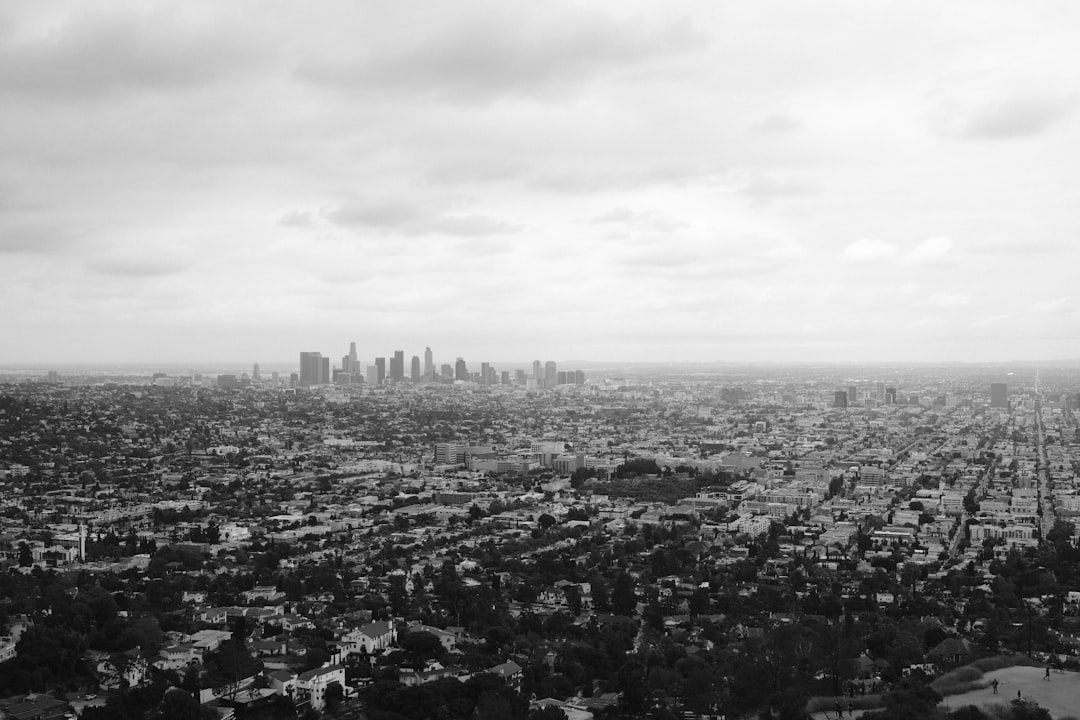
Once you actually make it to the top, past the crowds jostling for a glimpse of the giant telescope, the real show begins outside. The observatory itself, a beautiful art deco structure, is almost secondary to the panorama it offers. From its terraces, the entire sprawling octopus of Los Angeles unfurls beneath you, a shimmering, hazy carpet of buildings stretching to the horizon. And there it is, perched stoically on the distant hills: the Hollywood Sign, looking smaller than you expect, but undeniably iconic against the vastness.
The real spectacle, the reason everyone endures the congestion and the elbow-to-elbow viewing, is the sunset. As the sun dips, it paints the sky in shades of fiery orange, deep purple, and bruised blue, transforming the city below into a glittering expanse of light. Each tiny car headlight, each building window, becomes a star in a man-made galaxy. It’s a cliché, absolutely, but it’s a cliché that delivers, making you feel, for a moment, like you’re actually standing on the edge of something grand, watching the city of dreams light up for another night of chasing illusions. You can spot the distant waves of the Pacific, the grid of downtown, and the hazy outlines of the mountains, all bathed in that fleeting, golden hour glow.
Secluded Coastal Beauty
Now, if you’re sick of the human zoo and want a dose of the raw, untamed Pacific, you need to ditch the Venice Beach boardwalk and the Santa Monica Pier, where the smell of sunscreen and overpriced hot dogs hangs heavy in the air. Instead, point your rental car north on the Pacific Coast Highway, past the Malibu mansions and the surf shops, until you hit El Matador State Beach. This isn’t a place for casual strolls or building sandcastles; this is where the coastline gets dramatic, where it bares its teeth a little.
Getting down to the sand at El Matador is an adventure in itself, involving a somewhat precarious dirt path and a set of wooden stairs that cling to the side of a cliff. But the effort is worth it. What greets you isn’t a wide, flat expanse of sand, but a series of small, intimate coves carved out by the relentless ocean, punctuated by colossal rock formations. These aren’t just rocks; they’re natural sculptures, sea stacks, and arches that look like they’ve been dropped by some ancient, indifferent god.
The light here, especially in the late afternoon, is pure magic. It filters through the arches, casts long, dramatic shadows from the cliffs, and makes the wet sand gleam like polished obsidian. Photographers flock here for a reason – every angle offers a new, striking composition. You can find little pockets of solitude among the formations, watching the waves crash and recede, pulling pebbles and shells back into the vastness. It feels ancient, elemental, a stark contrast to the manufactured glamour just a few miles south. When the sun finally dips below the horizon, painting the sky in fiery hues, it’s a show you won’t soon forget, and one you’ll likely share with far fewer people than you would at any of LA’s more famous beaches.
Navigating LA & Final Tips
Alright, so you’ve seen the glitz, you’ve breathed the salty air, now for the cold, hard truth of getting around this sprawling behemoth. Los Angeles is a city built for cars, and if you plan on seeing anything beyond a two-block radius, you’ll be spending a significant chunk of your trip in one. Renting a car gives you freedom, but it also shackles you to the agonizing ballet of LA traffic, which can turn a ten-mile drive into a 90-minute purgatory. Seriously, factor in traffic for *everything*.
Public transport exists, but it’s not exactly comprehensive, and definitely not as efficient as in, say, New York or London. The Metro Rail can get you to some key spots, like downtown or Hollywood, but for those specific, off-the-beaten-path gems like El Matador, you’re either driving or shelling out for ride-shares. My advice? Pick a base that makes sense for your primary interests – Westside for beaches, Hollywood for the touristy bits, Silver Lake for a cooler, more local vibe – and then brace yourself for the commute to anything outside that bubble.
Ultimately, Los Angeles is a city that demands a bit of planning and a healthy dose of patience. Don’t try to do everything; you’ll just end up exhausted and hating life. Instead, pick a few key experiences, like watching that iconic Griffith Observatory sunset over the city or scrambling down to the dramatic cliffs of El Matador State Beach, and really lean into them. The city’s true charm isn’t in ticking off a checklist, but in embracing its wild, glamorous, and sometimes frustrating contradictions. So go on, explore the manufactured dreams and the raw beauty, find your own rhythm in the chaos, and discover why this city, for all its flaws, keeps pulling people back.